MAM
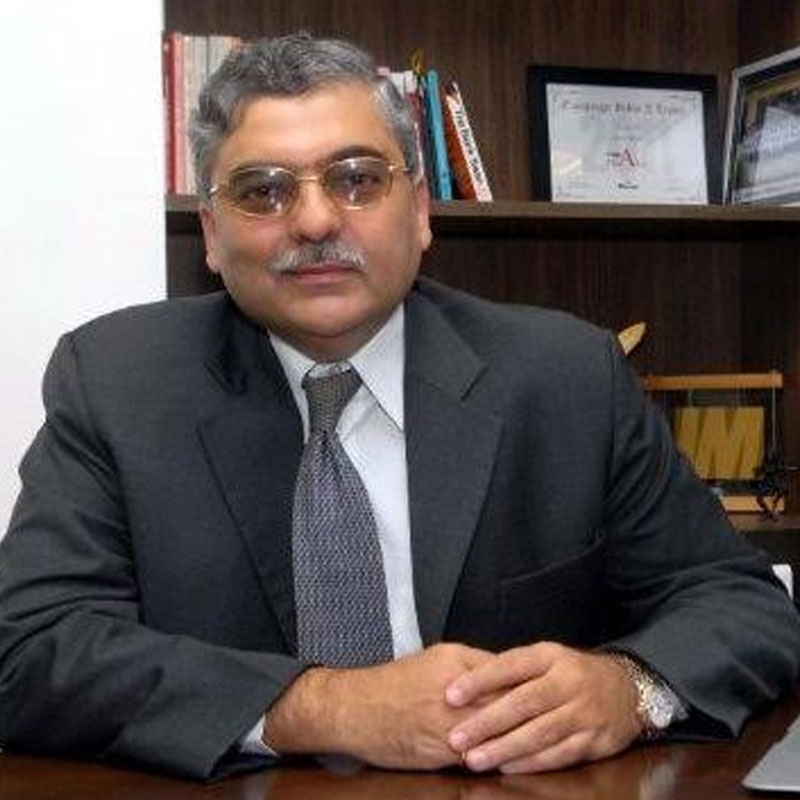
India is 18-24 months away from an inflection point: Ashish Bhasin

MUMBAI: Today’s advertisers aren’t short of options to choose from through which they can get a message across. But the difficult task at hand is to identify the one that allows optimisation of reach and viewership.
The digital media itself slices into many types of patterns – branded viral videos, advertorials, branded chat rooms and much more. In 2017, the muttering about artificial intelligence, chatbots, virtual reality, internet of things and m-commerce grew more than ever. With the hangover of GST and demonetisation in recovery mode, brands are back at leveraging the power of digital.
According to a recent report by IPG Mediabrands’ agency Magna, advertising expenditure in India will grow at 12.1 per cent to reach Rs 68,334 crore by 2018. While television is expected to grow at the rate of 12.2 per cent to reach Rs 27,617, digital is projected to grow at 25.2 per cent and will reach Rs 12,808 crore from its existing Rs 10,277 crore.
Though his age may confound you, Dentsu Aegis Network chairman and CEO of South Asia Ashish Bhasin is vociferous about the digital medium. For over 30 years, he has seen the media transform from print to TV and now evolving into digital. Indiantelevision.com got talking to Bhasin where he spills the beans on television, digital advertising, plan for Dentsu and much more. Excerpts:
When will the digital advertising market in India gain critical mass?
In terms of the digital advertising market, countries such as South Korea and China are ahead of India. In these markets, where smartphone penetration is over 40 per cent, an inflection point comes in because ultimately, advertising is driven majorly by FMCG, automobiles, consumer durables and others who want to reach mass numbers.
Out of the Rs 55,000 crore advertising market, Rs 10,000-11,000 crore is driven by FMCG across all media, although most of their spends are on television. Traditionally, these advertisers spent 90 per cent of their budget on television but that will soon change as digital will gain more importance. India is 18-24 months away from an inflection point. Out of every 100 phones in India, only 24 are smartphones. But there are some things that can make this whole calculation go haywire and expedite this and that is the entry of Reliance Jio as it is offering smartphones almost free of cost. Once every individual in India owns a smartphone, video consumption will increase and you already have data available at cheap prices.
Facebook and Google account for 78 per cent of advertising on digital…
They do, but I believe a new player will emerge in that segment, three years from now, and that is going to be Amazon. The reason for that is you can advertise and complete the transaction on one platform.
Google’s model is very simple. Platforms like Google and Facebook have one of the largest consumer base. Their consumer base is growing at the rate of 30-40 per cent every year. It took big players like Google, Amazon and Hindustan Unilever years to become a multimillion dollar companies . It took Dabur maybe a 100 years to get to a $1 billion but it took Patanjali only a year and half. The Patanjali story makes for a great marketing case study. He (Baba Ramdev) has done everything opposite to what we have ever been taught. He has used himself as the brand ambassador for all his products and that has worked brilliantly for his brand.
Where do you see Dentsu Aegis Network 5 years down the line?
We are driving change in the digital transformation direction. We are investing heavily in data. Dentsu Aegis Network has acquired Merkle in the United States which has platforms like M1 that house and use PII data of hundreds of millions of people. In India, we have acquired Sokarti and SVG media. Between these two, we have PII data of around 120-130 million people. We are building our DMP (data management platform) and I want to have PII data of 200 million people very soon. Out of the 26 agencies in Dentsu umbrella, eight are digital agencies. In 2018, 45 per cent of our revenues will come from our digital business.
What about television?
In India, for the next five to seven years, all mediums will grow including television because the penetration is increasing. FreeDish will drive the penetration in smaller markets. By the next year, around 30 million television sets will be sold in India and all of them will have flat screens while CRT (cathode ray tube) TV will be phased out of India eventually. Today, the consumer is driving the change. Affordability is a big issue in smaller markets but the moment flat screen TV becomes affordable, every house will have it. India is a price-sensitive market. Everybody wants a smartphone but not everyone can afford it. The moment it becomes available at Rs 2000, no one will have a feature phone. Likewise for TVs.
Do you think outdoor will be impacted because of digital?
We have to stop seeing digital as a medium. Outdoor will be significantly impacted by digital but that doesn’t mean outdoor will go away. I see 100 per cent of our business being digitally impacted five years from now but that doesn’t mean there won’t be non-digital business. Every business around the world will be impacted by digital. But OOH as a medium will thrive and grow rapidly in India with so many airports, metros and infrastructure projects coming up.
What about non-traditional platforms used for business transactions?
WhatsApp is becoming bigger than Facebook. A huge amount of business happens on WhatsApp today in India. A few years from now, all social media platforms will become banks where you will be able to compete your transaction just like Paytm. This is the first year where the number of ATMs and banks has reduced in India. Why do people need to go to banks and ATM when they can transact online!