Connect with us

MAM

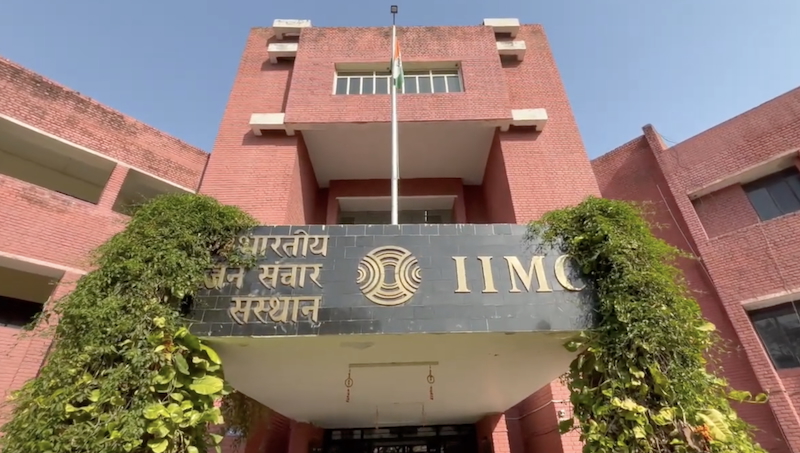
IIMC takes the PhD plunge after six decades of playing it safe

Published

on

NEW DELHI: After 60 years of churning out journalists, the Indian Institute of Mass Communication has had a lightbulb moment: why not let people research the it properly?

The deemed university formally launched its PhD programme on 1 January, opening applications for full-time and part-time candidates until 30 January. Those clutching UGC-NET certificates can waltz straight into personal interactions, whilst the less fortunate part-timers must sit an entrance exam on 19 February.

IIMC vice chancellor Pragya Paliwal Gaur, speaking at the launch, served up the usual academic rhetoric about “genuinely contributing towards research for resurgent India” and thinking “out-of-the-box.” 

Advertisement

The programme promises a smorgasbord of research areas: journalism, digital media, strategic communication, film studies, political communication, and that perennial favourite, advertising and public relations. Scholars can expect rigorous academics, interdisciplinary scholarship, and—if they’re lucky—something resembling an answer to why media keeps changing faster than academics can study it.

The selected candidates list drops on 23 February, interviews kick off on 9 March, and the whole process wraps by 27 March. Coursework begins April 1st—no joke.

Advertisement
Click to comment

Leave a Reply

Your email address will not be published. Required fields are marked *

Digital

India leads global adoption of ChatGPT Images 2.0 in first week

From anime avatars to fantasy covers, users turn AI visuals into culture

Published

on

NEW DELHI: India has emerged as the largest user base for ChatGPT Images 2.0, just a week after its launch by OpenAI, underlining the country’s growing influence on global internet trends.

While the tool was introduced as an advanced image-generation upgrade within ChatGPT, Indian users are quickly reshaping its purpose. Instead of sticking to productivity-led use cases, many are embracing it as a creative playground for self-expression, storytelling and online identity.

From anime-style portraits and cinematic headshots to tarot-inspired visuals and fictional newspaper front pages, the model is being used to create highly stylised, shareable content. Features such as accurate text rendering, multilingual prompts and the ability to generate detailed visuals with minimal input have helped drive rapid adoption.

Advertisement

What sets the latest model apart is its ability to “think” through prompts, generating multiple outputs and adapting to context, including real-time web inputs. But the bigger story lies in how users are engaging with it.

In India, trends are already taking shape. Popular formats include dramatic studio-style lighting edits, LinkedIn-ready headshots, manga-inspired avatars, soft pastel “spring” aesthetics, AI-led fashion moodboards, paparazzi-style visuals and fantasy newspaper covers. Users are also restoring old photographs, creating tarot-style imagery and experimenting with futuristic design concepts.

Local flavour is adding another layer. Prompts such as cinematic portrait collages and Y2K-inspired romantic edits are gaining traction, blending global aesthetics with distinctly Indian internet culture.

Advertisement

The surge reflects a broader shift in how AI tools are being used in the country, moving beyond utility to creativity. As younger users, creators and social media enthusiasts experiment with new visual formats, AI-generated imagery is increasingly becoming part of everyday digital expression.

If early trends hold, ChatGPT Images 2.0 may not just be a tech upgrade but a cultural moment, giving millions a new visual language to play with online.

Advertisement
Continue Reading

Advertisement News18
Advertisement
Advertisement
Advertisement
Advertisement Whtasapp
Advertisement Year Enders

Indian Television Dot Com Pvt Ltd

Signup for news and special offers!

Copyright © 2026 Indian Television Dot Com PVT LTD