MAM
How Discovery made Operation Sindoor a story the nation wanted to hear
Janhavi Vyas explains how respectful storytelling, exclusive access and organic buzz drove the campaign


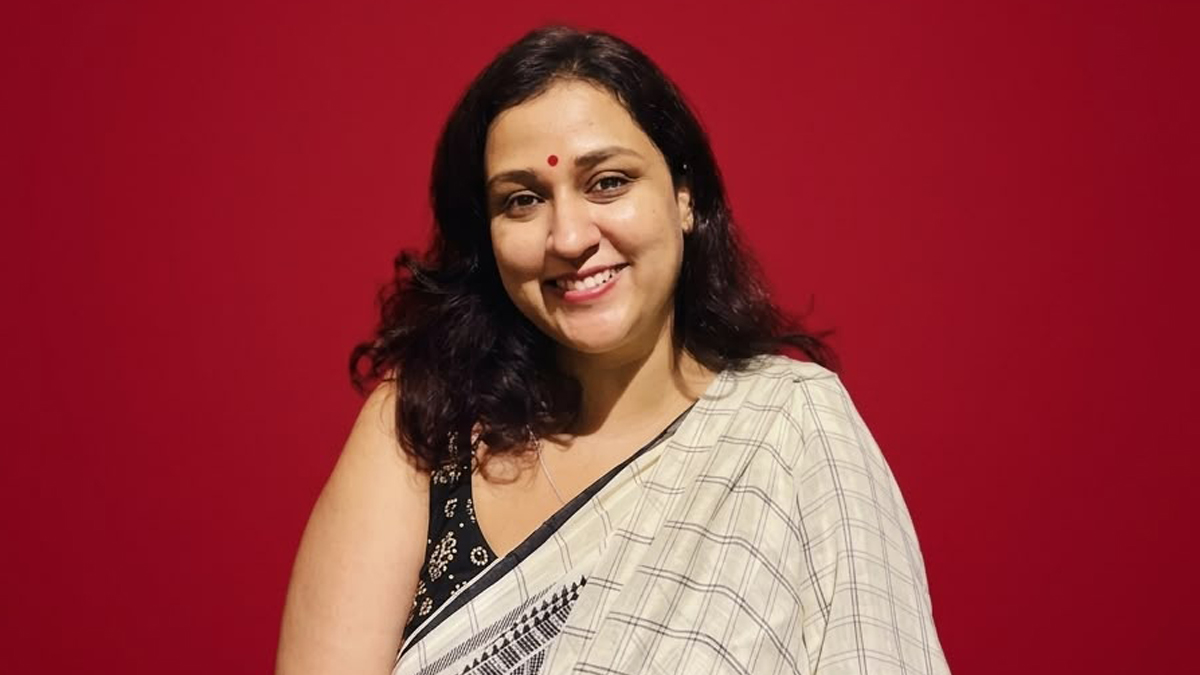
MUMBAI: Marketing a story rooted in national grief, military sacrifice and pride requires a careful balance between generating attention and preserving its dignity. For Discovery, Declassified: Operation Sindoor presented an opportunity to bring audiences closer to the people behind the military operation through exclusive access, a distinctive red-led campaign and a nationwide tribute. In this interview, Janhavi Vyas, head of marketing, South Asia, Skydance, discusses the strategy behind the campaign, how it sparked organic conversations and audience participation, and what the response reveals about marketing factual and defence-led content in India.
Operation Sindoor is deeply sensitive, given the human cost and the sacrifice of our Armed Forces. How did you make sure the marketing created conversation without turning a sensitive real-life event into just another attention-grabbing campaign?
By remembering what sits at the heart of it. Twenty-six lives were lost in Pahalgam. Families are still grieving. And a generation of men and women in uniform answered with courage that most of us will never fully know. A story like that doesn’t need us to be clever. It needs us to be quiet enough to let it speak.
So, we gave the campaign one gesture and one colour: red. No gimmicks, no shock value, no celebrity sell. Discovery’s own logo turned red as a salute rather than a slogan. Every Indian reads that colour instantly, and the word Sindoor already carries so much feeling. Every choice had to pass one test: are we honouring this story, or merely using it?
The campaign delivered 150M+ social reach, 10M+ Sea Link views, 7.3M daily OOH impressions and 32M TV viewers. What did these numbers tell you about how audiences were connecting with the campaign, beyond just its reach?
Numbers can tell you how far a campaign travelled. They can’t tell you how deeply it connected with people. The 150M+ social reach, 7.3M daily OOH impressions across 160+ sites in six cities and 32M TV viewers told us the idea had scale. But what really stood out was the response we hadn’t planned or paid for.
When the Bandra-Worli Sea Link glowed red, Mumbaikars stopped, took out their phones and shared the moment themselves, contributing to over 10M views.
In the comments, people wrote Salute. They wrote Goosebumps guaranteed. They asked for the series to be shown in schools, so the next generation would know.
Sentiment across social media was overwhelmingly positive, and organic recommendations poured in every single day. #DeclassifiedOperationSindoor trended No. 1 in India on X on 15 August, while Discovery Channel also trended nationally during the campaign window. Engagement and shareability on our show content increased fivefold. And the voices came from every corner: creators, public figures, business leaders, actors and everyday citizens, all speaking up because they wanted to, not because we asked.
And on launch day, that advocacy turned into action: Discovery+ recorded its biggest launch day ever for gross adds.
What was the main idea behind the marketing campaign for Declassified: Operation Sindoor, and what did you want audiences to feel when they saw it?
Our campaign had a twofold purpose, and both approaches came from the heart.
The first was tribute. Operation Sindoor is not just a military operation. It is a moment of national grief, resolve and pride, and we wanted to salute it, and every brave man and woman who keeps us safe, in a way that felt respectful and meaningful. . We chose red, the colour of sindoor, and let it carry the whole campaign. It began with Discovery’s own iconic logo turning red. It lit up the Bandra-Worli Sea Link and an office building in the heart of Mumbai, and it became the dominant colour in every piece of creative. One colour, one feeling, running through every screen and skyline.
The second was access. For the very first time, audiences would hear directly from the people who strategized and executed. Operation Sindoor. It was an enormous responsibility to tell India’s side of the story to the world, and we wanted the marketing to reflect the same responsibility with which the show was made. So, as we neared the launch, we released intriguing snippets from the series, each one landing almost like breaking news. Each clip created curiosity about what more the series would reveal. The most powerful of these featured Mr. Ajit Doval, National Security Advisor to the Prime Ministerof India speaking on camera about the operation. It earned millions of views and shares organically.
What did we want audiences to feel?
First, pride, the kind that gives you goosebumps. Then gratitude toward those who protect us. And finally, trust: that this story, told with this much access and respect, was theirs to watch and share.
#DeclassifiedOperationSindoor trended No. 1 in India on X. What do you think made people participate in the conversation rather than simply consume the campaign?
Because this was never just a campaign for us, and people could feel that. Operation Sindoor was deeply personal for every Indian and there was immense pride in our Armed Forces. Even as we worked through the interviews, we kept getting goosebumps. It was an emotional project for the whole team, and I believe that sincerity came through in the campaign and connected with the audiences.
On Independence Day, #DeclassifiedOperationSindoor trended No. 1 in India on X, and Discovery Channel trended nationally through the campaign window. It happened because the premiere brought something the country wanted to hear: the first on-camera comments from Mr. Ajit Doval, National Security Advisor of India since the operation. A 12-minute clip was widely viewed and shared, and people began circulating it organically. Then came the part that money cannot buy. Senior journalists, authors, actors, CEOs, Chief Ministers and Union Ministers began speaking about the show of their own accord. Respected voices such as Palki Sharma Upadhyay, Vikram Chandra and Shireen Bhan engaged with it and helped bring the conversation to wider audiences. Audience reviews called it a must-watch. The word of mouth was organic, warm and entirely theirs.
You can buy a billboard. You cannot buy genuine belief in a story.
Looking beyond the numbers, what did Discovery learn from this campaign about marketing factual or defence-led content in India, and are there any elements of this strategy you would carry forward to future launches?
The biggest lesson is that exclusive access can be your strongest marketing asset. Having Mr. Ajit Doval, National Security Advisor to the Prime Minister of India, and senior military leadership speak to us on camera was the draw. People didn’t need to be persuaded to watch. They wanted to hear these voices. When the access is real, our job as marketers is to bring it to audiences in a way that builds curiosity while respecting the importance of the story. Second, audiences want substance, sometimes much more than we give them credit for.. A 12-minute clip travelled across the country. People engaged with depth, and not just teasers. Factual, defence-led storytelling is not a niche. It reached family audiences through a custom Little Singham promo we created for Declassified: Operation Sindoor, prompted calls for school screenings, and found audiences well beyond the metros.
Third, the best tributes invite people in. When the Sea Link turned red, citizens made the moment their own by filming and sharing it. That participation transformed it from marketing into a shared tribute.
Finally, trust is earned, not bought. Respected journalists, authors and public figures spoke about the show because they connected with the content and its credibility, and that belief converted: Discovery+ had its biggest launch day ever.
What was the biggest challenge?
Balance. Creating enough momentum for a nationwide launch without ever letting the campaign feel louder than the sacrifice behind it. In a story this personal for so many families, even a small misstep could hurt. So we moved carefully, watched the conversation closely, and kept returning to the same question: is this worthy of them?
We also knew the conversation wouldn’t be uniformly gentle. Patriotism sat alongside political debate and some comments online, and we chose to listen rather than look away. Overall sentiment stayed overwhelmingly positive. The respect we showed at the start is what carried us through.
When a nation is grieving and proud at the same time, the right thing to do is to stand with it, in red.
Ultimately, the campaign’s success lay in striking a delicate balance between visibility and sensitivity. By placing the Armed Forces and their stories at the centre, Declassified: Operation Sindoor moved beyond conventional promotion to become a tribute that resonated across screens, streets and social media. For Discovery, the campaign demonstrated how a subject rooted in national sentiment can build widespread engagement when handled with purpose, restraint and respect.