MAM
How KBC campaigns ensure focus stays on the common man

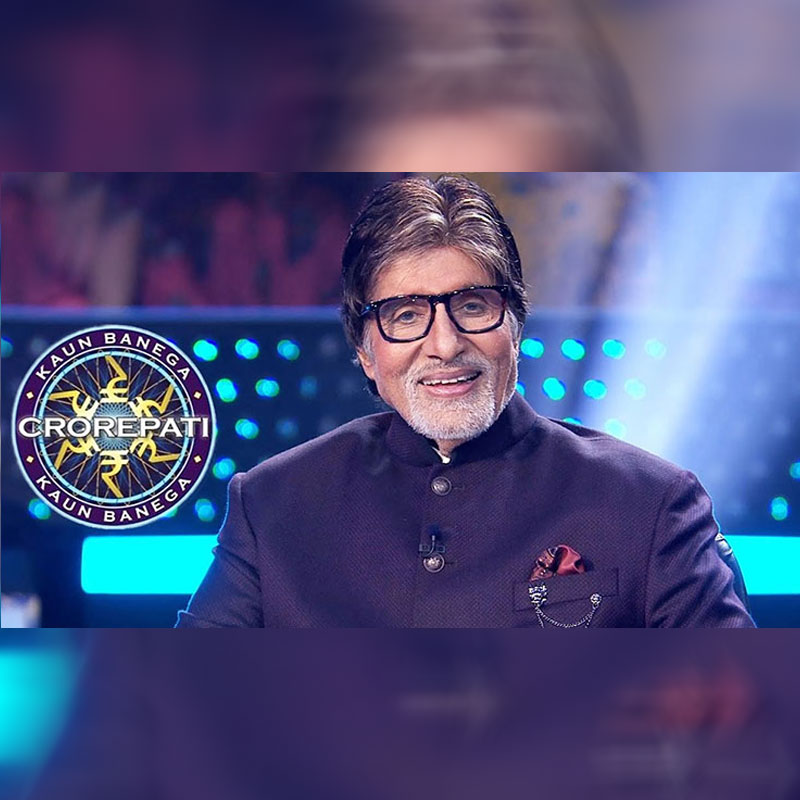
MUMBAI: Ever since 2000 when Kaun Banega Crorepati (KBC) first launched, the show has captivated millions not just through its quiz format but also innovative campaigns. The ads are socially relevant yet never boring.
This year, KBC has come up with another endearing campaign titled #KabTakRokoge. “This year we thought that we can stand, support and attribute our viewers and so we came up with #KabTakRokoge campaign. The campaign beautifully highlights three relatable stories with a soul. We often face situations in life that tend to deter us from achieving our goals. Often, we encounter people who discourage our attempts and obstruct our progress. When the odds are against us, one can only stand up to them and ask… #KabTakRokoge?” says Nitesh Tiwari who has created and conceptualised all the brand films for the show since Sony began telecasting the hugely popular show.
The first brand film of this season was launched on Facebook on 23 July and has garnered 746K views till date. Viewers can play the KBC game online, win passes to visit the KBC studio and engage with interactive social applications.
“KBC is a very famous game show. Every year people have loved the game show and have connected with the campaign and came to play the game. This year as well, I want my audience to watch the campaign, get connected to it and come and play the game and make it as famous as they have made KBC in the earlier seasons,” says Dangal director.
All campaigns bear in mind the show’s legacy. The ads appeal to people because they are based on biases encountered in real life, with the victim coming out on top in the end. The show has never relied on a celebrity for any of its campaigns because it is a common man’s game.
Tiwari has been associated with KBC for eight years. The former chief creative officer of Leo Burnett India has directed many ad films, a few being Flipkart, DHFL Home Loans and Star HD. He has written and directed many feature films like Dangal and Chillar Party, but, working for KBC has been more fun as it gave him a chance to work with his childhood idol.
“I am blessed to work with such a big person. I have been admiring him since childhood. It was through KBC that I met Amitabh Bachchan. So, KBC will always remain special to me,” he says.
When Bachchan saw a decline in movies in the 1990s, it was KBC that gave him a boost by bringing him close to millions of Indians by becoming the host. When KBC was launched in 2000 on Star Plus, the show not only changed the fate of reality television, but also helped the broadcaster move up the ratings chart. A decade later, the show ratings started to dwindle and it moved hands to Sony.
The launch campaign on Star was ‘Nau Baj Gaye Kya?’ and when the switch happened, Sony showed that ‘Koi Bhi Sawaal Chota Nahi Hota’ highlighting the thought that knowledge never goes to waste.
Over the years, the campaigns have tried to touch important issues, revolving around the quest for knowledge. From preachy to humorous to inspiring societal changes, the ads have touched them all.
The last season of the 18-year-old show ruled the rating charts throughout its run and broke all previous records. According to Broadcast Audience Research Council, India, in week 35 of season nine, (26 August to 1 September 2017), KBC was at the second position among the top-watched shows in India.
The ninth season of KBC (2017) witnessed the ‘Jawab Dene Ka Waqt Aa Gaya Hai’ campaign, showing that knowledge is a great leveller in life. The campaign depicted various situations where individuals are bogged down by difficult questions of life. Through the campaign, KBC tried to change people’s destiny with the power of knowledge.
Season eight saw the campaign Yahan Sirf Paise Nahi, Dil Bhi Jeete Jate Hain by focusing on the country’s diversity. Rewind back to season three when Shah Rukh Khan took over, the show said ‘koi bhi sawal chota nahi hota’ which was followed by ‘koi bhi insan chota nahi hota’. In 2013, the show changed its core thought towards knowledge by saying ‘seekhna bandh to jeetna bandh’ which was preceded by ‘gyaan hi apko aapka haq dilate hain’ in 2012.
Given the strong legacy that KBC has created over two decades, it surely is a task for creative heads to keep coming up with innovative and engaging ways to get the audience hooked.