MAM
Hamam takes an innovative approach to uphold the dignity of women devotees at the Kumbh

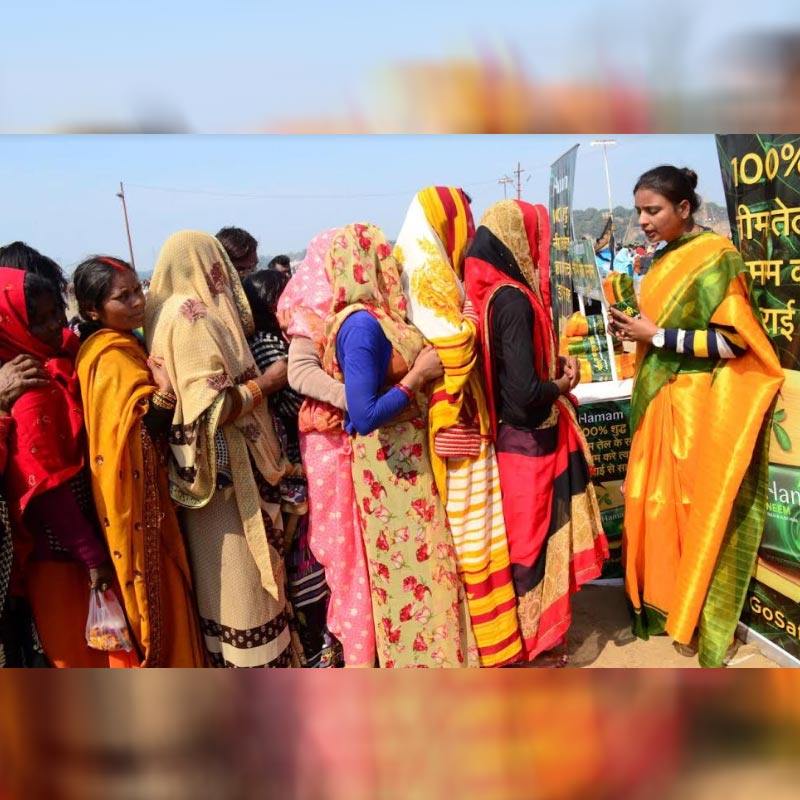
MUMBAI: Before you read this, do an internet search using the keywords – ‘Women at Kumbh’. Most, if not all, of the pictures your search will yield will be of women in saris and petticoats taking the Holy Dip. Clothes which are clinging to their bodies as soon as they get wet, making these women vulnerable to prying eyes.
Hamam believes in helping women #GoSafeOutside by empowering them with skills and means to counter their vulnerability. The brand lives this philosophy not only through its communication but by also engaging through direct initiatives such as putting up ‘CCTV hoardings in Chennai’ and conducting school contact programs that train young girls in Self-Defense.
Extending its initiative to the Kumbh 2019, the brand started its journey by sponsoring women only changing rooms at the ghats. But soon realized that this is not enough, as the walk to the changing room after the dip in the river is when polyester or cotton saris are wet and clinging, leaving women most vulnerable to unsolicited attention and even pictures.
Working with brand partner, Ogilvy India, Hamam has created a simple yet effective solution – Waterproof Sarees for women which form a large part of the Kumbh gathering! The same sari that the women are used to, but with a simple layer of waterproofing treatment that makes the fabric aqua phobic. This makes it an ideal clothing option for women devotees taking a holy dip at the Holy Sangam.
The Hamam waterproof saree is designed in a charming yellow color and was made available to devotees on the auspicious occasion of Basant Panchami today, which is one of the five most important Shai Snan dates when devotees gather in large numbers for the Holy Dip to cleanse their body and soul. Also called the Saraswati Snan day, devotees are known to welcome this festival wearing traditional yellow attire and worshiping Goddess Saraswati (the Goddess of learning and knowledge).
Sharing insights into Hamam’s objective behind the waterproof sarees initiative, Harman Dhillon, General Manager, Skin Cleansing India at Unilever said, “Hamam feels a sense of responsibility towards making a positive difference not just to people’s skin, but also to their daily lives. Through our #GoSafeOutside positioning, we want to help improve the sense of safety people feel when they are outside: by raising awareness, kick starting conversations and facilitating solutions. The Waterproof Sarees at Kumbh are not just a solution to help preserve the modesty of female pilgrims, they are also a shout out to society to be more respectful and discrete about they view of women. If men have the right to take the Holy Dip without the worry of unsolicited attention, society needs to adjust its mindset to allow women to do the same without being self-conscious.”
Sukesh Nayak, Chief Creative Officer and the man behind the waterproof sarees shares how he came up with this idea: “Under our #GoSafeOutside platform, we intiated ‘The Waterproof Sarees’ at Khumbh. An innovative way of helping women preserve their modesty while taking the Holy Dip. Helping them take a bath in the river in the open without worrying about the preying eyes.”