MAM
GUEST COLUMN: Why creators, communities, music and fandoms are reshaping brand engagement
From influencer-led discovery to music and fandoms, brands are chasing lasting cultural relevance


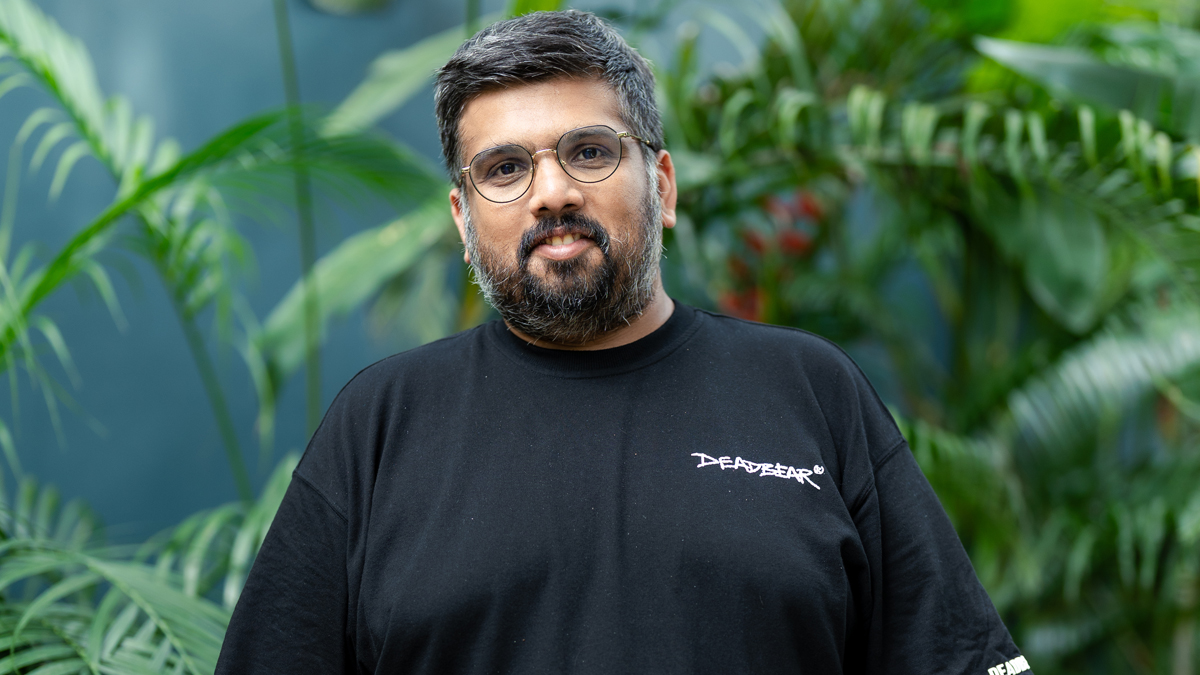
MUMBAI: As consumer attention becomes increasingly fragmented, brands are looking beyond traditional marketing funnels to build deeper and more lasting connections with their audiences. Creators, communities, music and fandoms are emerging as powerful spaces for brand discovery, participation and cultural relevance, allowing brands to meet consumers where their interests and passions already exist. In this guest column, Himanshu Chowdhry, founder, Spectal, explores how these cultural forces are reshaping brand engagement, why meaningful participation matters more than reach alone, and how brands can leverage creators, experiential communities, music and fandoms to build stronger consumer relationships.
The traditional marketing funnel for brands – awareness to consideration to purchase – is no longer relevant for today’s consumers. Attention is fragmented. Algorithms are bombarding our feeds with a constant barrage of content. Today, reach and visibility are not enough for a substantial impact.
Brands are showing up where their consumers are. Instead of a singular campaign or fulfilling mere KPIs, they are investing in enduring wins that leave a lasting impression. In this new playbook, creators, communities, music, and fandoms are playing an important role. They are not just distribution channels. Their roles have evolved, and they are increasingly becoming the spaces where brand discovery happens, and consumers build relationships with brands.
Creators are proving to be a binding force
As per a recent report, 67 per cent of Indians trust recommendations from influencers. This change indicates that influencer marketing is a true game-changer for brands. Brands can leverage the audience base and authenticity of these creators to reach the targeted audience in a meaningful way.
However, in the era of discerning audiences, not every creator collaboration will provide the expected ROI. Brands need to be very mindful of collaborations. While there is a surge in regional content creators with the emergence of the Orange Economy, not every brand should jump on the bandwagon. In order to enter the Tier-2 and Tier-3 cities, brands need to meaningfully engage with already existing communities in these places.
Reach them where they already are
While creators are helping in keeping the brand in daily conversations, bringing together communities through experiential marketing flips the script. It allows for meaningful engagement with the consumers on the ground. When consumers feel that they are a part of the tribe, it changes their relationship with the brand.
While concerts, brand IPs, and other activations have proved viable, college campuses are emerging as key destinations for brands to engage with the young audience. Most of India’s 377 million Gen Z cohort is on the campuses. Brands like Myntra, through GlamFest, blended fashion, and music to reach young audiences in Tier-2 and Tier-3 cities.
Music came before everything else
Music is no longer a monolithic entity. It has become an integral part of the brand’s strategic marketing playbook. From in-video integration by music artists to artists themselves promoting a brand to brand patronage towards music movements, music’s role in marketing is evolving.
Brands have stopped being passive players. They are becoming patrons of a larger music scene rather than just sponsors. Certain limitations on advertising helped brands like Bacardí to create IPs like NH7 Weekender and Bacardí House Party to create visibility and recall value.
Another well-known IP that is running successfully across campuses is Coke Studio. Coca-Cola’s renowned musical trademark concerts are making rounds with various musical artists across India. It regularly organises large-scale live music events at university campuses with line-ups featuring artists like Amit Trivedi, Sunidhi Chauhan, Jasmine Sandlas, and others. These concerts ensure that Coca-Cola is marketed as not merely a brand but a culturally relevant brand connecting with students through live music and experiential marketing.
Rise of fandoms as the latest frontier
Fandoms have emerged as important cultural and economic forces. Fans are not mere spectators. They are actively participating in conversations, engaging with communities with similar passions across ages, and shaping the global fandom economy.
As per a report, 87 per cent of Gen Z identify themselves as being a fan of something or someone. Brands are taking cognisance of this wave, and they are designing their marketing strategies around these fandom cultures.
Nestlé KitKat’s collaboration with One Piece was already interesting. But at the recently concluded Comic Con 2026, it took a new life. Instead of a conventional exhibition, it rebuilt the iconic pirate ship, letting fans into the world they already know and love. This major change highlights that while celebrity endorsements create a buzz, fandom marketing helps in earning participation from the real audience.
The lesson here for brands is that the ones who will adopt this multi-channel marketing strategy early will shape the next decade of marketing. They need to show up consistently across music, communities, fandoms, and creator collaborations to build a stronger relationship with consumers. This helps create belonging, helping to grab a spot inside the spaces and avenues that are already brimming with their target audience.