Brands
Good Monk raises $2M in pre-series A led by RPSG Capital to spice up India’s nutrition game

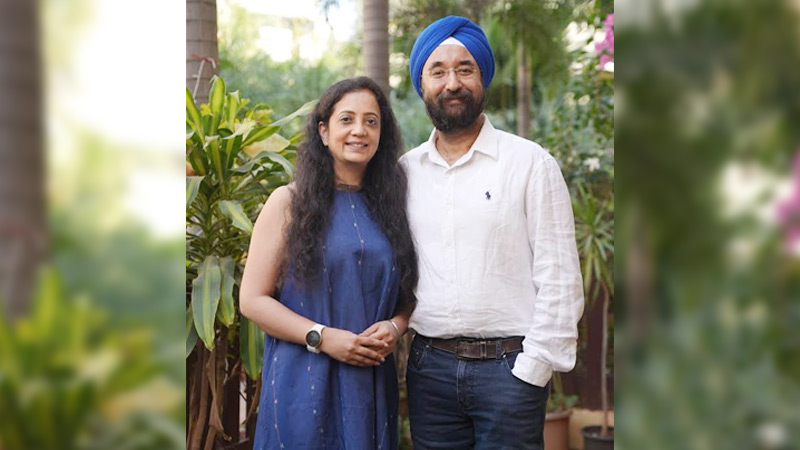
MUMBAI: In a world where nutrition advice changes faster than Instagram trends and “health drinks” taste like sadness, one Indian brand is turning tables—and taste buds. Good Monk, the Shark Tank Season 4 breakout star and flagship brand of Bengaluru-based Superfoods Valley, has raised $2 million in a pre-series A round led by RPSG Capital Ventures. The round also saw existing investors—Multiply Ventures, Sharrp Ventures, and Thinkuvate—double down on their belief in the clean-eating disruptor.
Announced on 17 April 2024, the fundraise signals a strong vote of confidence in Good Monk’s refreshingly no-nonsense approach to health. Co-founded by Amarpreet Singh Anand and Sahiba Kaur—two parents tired of navigating the nutrient jungle—Good Monk has made it its mission to “smuggle” nutrients into Indian households, minus the taste tantrums and pill fatigue.
“At Good Monk, we believe that nutrition should be easy, effective, and clean. Our mission is to empower Indian families to take control of their health without compromising on taste or convenience. We are thrilled to have RPSG Capital Ventures partner with us in this journey and are grateful for the continued belief by existing investors – Multiply Ventures, Sharrp Ventures & ThinKuvate who participated in the round,” said Good Monk co-founder Anand.
The brand’s hero product is a nutrition mix that invisibly boosts meals for kids, adults, and even the 50+ crowd.
No smell.
No weird taste.
No complicated regimen.
Just modern science meets traditional wisdom—served in stealth mode. Sounds like the kind of ninja every kitchen needs.
“Unhealthy wellness products masquerading as healthy options… that’s one of the biggest challenges today,” said co-founder Kaur. “The partnership with RPSG Capital Ventures will facilitate investing in R&D and product development to present better nutritional alternatives.”
The company, which recently scored a deal from Vineeta Singh on Shark Tank India, claims to have grown 11 times in just 12 months. Fuelled by innovation, diversification, and mentorship from industry stalwarts like Sanjay Ramakrishnan (Multiply Ventures) and Rishabh Mariwala (Sharrp Ventures), the brand’s upward curve shows no signs of slowing.
RPSG Capital Ventures’ managing partner Abhishek Goenka is betting big on that momentum. “We have strong conviction in nutrition, health and wellness as a space… Consumers are seeking innovative formats that make dietary supplements uncomplicated, convenient & effective. Good Monk has demonstrated impressive, clutter breaking, product innovation which we believe will disrupt the market significantly,” he said.
Good Monk currently retails on its own website (www.goodmonk.in) as well as major platforms like Amazon and Flipkart. The brand has been expanding its digital footprint with the same gusto it shows in your morning smoothie.
From ‘Shark Tank’ to supermarket shelves, Good Monk is proving that nutrition doesn’t have to be a chore—it can be cleverly disguised and clinically backed.
If there’s one monk who doesn’t believe in suffering for health, it’s this one.