MAM
Godawari Electric Motors releases first TVC for Eblu Feo


Mumbai: Godawari Electric Motors, a leading innovator in the electric vehicle industry has released its first TVC for Eblu Feo carrying the tagline ‘India’s First Family e-scooter’ with actress Neena Gupta. The new TVC has been conceptualised by Hats On Advertising Pvt Ltd and has been shot extensively in Mumbai.
The TVC is targeted at families and millennials and Godawari Electric Motors drives the messaging of superior performance and comfort of Eblu Feo. The TVC shows Gupta riding along with a child as a pillion and emphasises the key USPs of the e-scooter which include a Digital Instrument cluster loaded with convenient user information, Front and rear disc brakes for safety, reverse mode for convenience, comfortable seating for all types of commute, ample leg space for tireless riding and 110 km range to let you reach your destination without anxiety.
Speaking about the TVC, Godawari Electric Motors CEO Hyder Khan said, “We are extremely proud to roll out our first TVC for Eblu Feo. Ms. Neena Gupta who is known for her versatile acting and timeless elegance, has been chosen as the face of this TVC due to her resonance with our core values of sustainability and progress. Her powerful presence and impeccable talent align seamlessly with our mission to redefine the way people commute in cities. We are confident that this TVC will be able to capture the audience’s attention with its simple yet innovative narrative to switch to electric mobility for a sustainable future.”







Brands
Vodafone Idea elevates Vineeth Jayendranath as VP, marketing head Mumbai
Telecom marketer takes charge of Mumbai circle with growth and brand focus
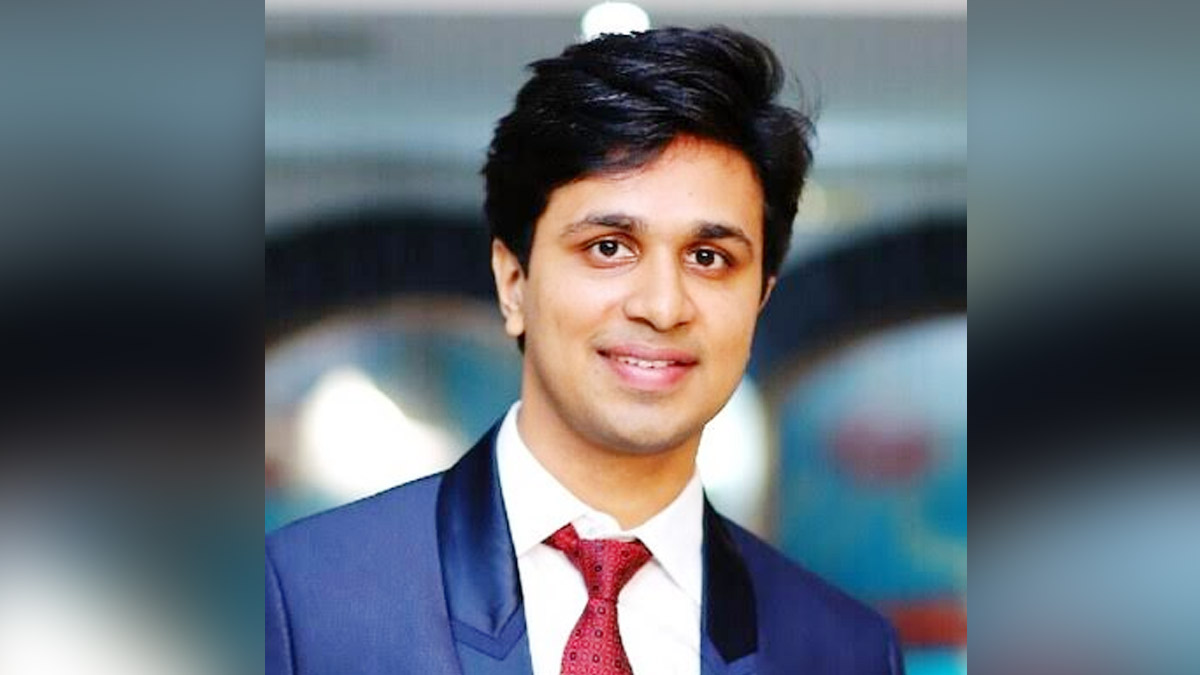
MUMBAI: Vodafone Idea Limited has promoted Vineeth Jayendranath to vice president, marketing head for the Mumbai circle, marking a key milestone in his career as the telecom operator sharpens its regional strategy.
In his new role, Jayendranath will lead marketing efforts across prepaid and postpaid segments in one of the country’s most competitive telecom markets. His mandate includes driving revenue growth, strengthening brand positioning, and deepening customer engagement, while also managing profit and loss responsibilities for the circle.
Sharing the update, Vineeth Jayendranath said, “Excited to share, I am starting my new stint as Vice President, Marketing Head for Mumbai circle at Vodafone Idea Ltd. Would like to thank everyone who has supported me in this journey.”
Jayendranath brings over 12 years of experience spanning telecom and IT, with a strong focus on customer value management and data-led marketing. Since joining Vodafone Idea, he has held multiple leadership roles, most recently serving as general manager leading customer value management and prepaid business across Gujarat, Maharashtra and Goa.
During this period, he handled large subscriber bases and multi-billion rupee revenue portfolios, while rolling out hyper-personalised campaigns and a “segment of one” strategy to improve customer retention and upgrades. He also championed a digital-first approach, pushing adoption of data services and unlimited plans through targeted, insight-driven initiatives.
Earlier, he worked with Idea Cellular Ltd in strategy and business intelligence roles, and began his career at Infosys as a systems engineer. A brief stint at Hyundai Motor India Ltd during his internship added early exposure to marketing strategy.
An alumnus of SVKM’s Narsee Monjee Institute of Management Studies, Jayendranath has steadily built a reputation for combining analytics with marketing execution.
His elevation comes as telecom players double down on circle-level strategies to stay competitive, and Vodafone Idea appears to be betting on data-backed marketing to keep Mumbai firmly in its corner.







