MAM
Gini & Jony names Harsh Agarwal as CEO as founder Prakash Lakhani moves to mentor role


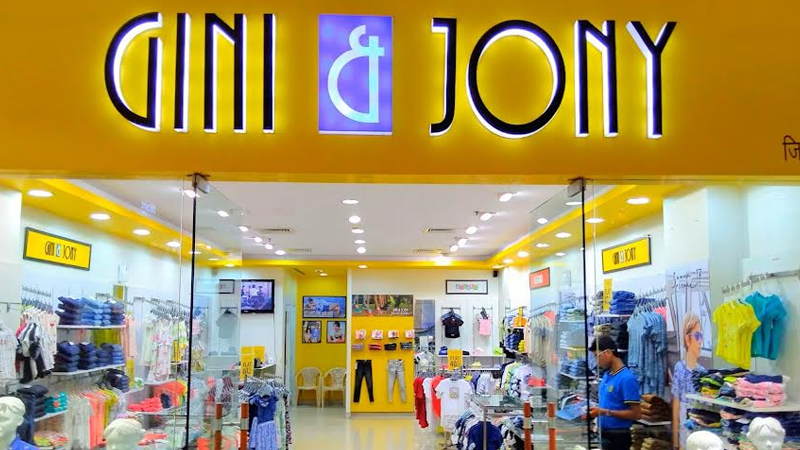
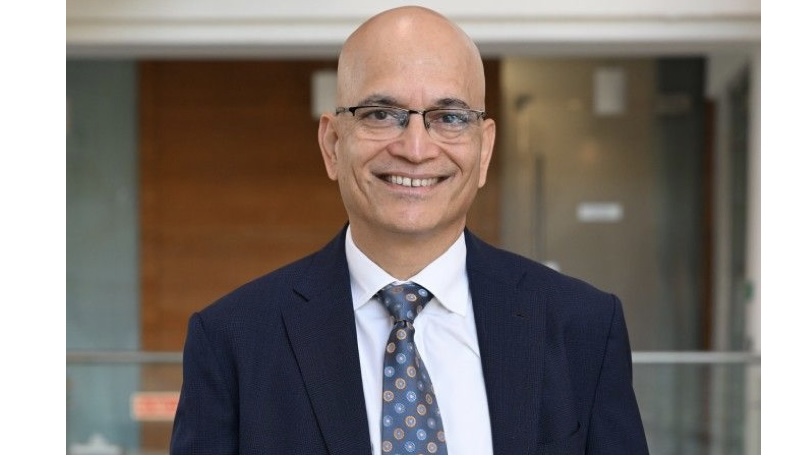
MUMBAI: If childhood came stitched in style, Gini & Jony would be its tailor-in-chief. But as the Indian kidswear brand turns 45, it isn’t just sizing up garments—it’s resizing leadership. Suditi Industries Ltd. appointed Harsh Agarwal as the new CEO of Gini & Jony, ending the decades-long tenure of founder & former CEO Prakash Lakhani, who now takes on the role of mentor.
It’s more than a ceremonial baton pass. It’s a calculated pivot toward reinvention in a retail world that won’t sit still. With BSE notification filed and board nod secured, Harsh is taking the reins of a brand that’s dressed generations of Indian children and now wants to clothe an ecosystem.
“Gini & Jony is not just a brand he built — it is his DNA. You cannot separate the two,” Agarwal said. “His legacy will continue to guide us as we build on the foundation he created.”
Agarwal isn’t just stepping into a new role; he’s stepping into a legacy. With a roadmap focused on innovation, expansion, and emotionally resonant branding, his goal is to evolve Gini & Jony from a popular label into the most trusted name in the entire children’s lifestyle segment.
“The needs of India’s children and parents in this space remain largely unmet. There is a significant opportunity to create entirely new experiences. We aim to spearhead this evolution, not just through our products, but through imagination and innovative solutions,” he said.
His plans? Build momentum with agility, bin outdated playbooks, and rethink retail from the ground up. “We are re-evaluating established industry practices, shedding outdated biases, and fostering the development of contemporary retail solutions. The market is rapidly changing, and our goal is to lead that change, not simply react to it.”
Agarwal brings a boots-on-ground management style. No corporate ivory tower here. “During this initial phase, I will be deeply engaged across all aspects of the business – from product development to retail operations, and from technology integration to customer interactions. It’s crucial for me to work alongside the team, establishing rhythm, speed, and alignment. As the business stabilises and our leadership team strengthens, I will gradually shift my focus to broader strategic priorities, including experience design, brand narrative, and long-term innovation.”
He’ll continue to serve in a leadership role at Suditi Industries as it transforms from a manufacturer to a consumer-focused retail powerhouse.
“As we embark on this next chapter, my commitment is clear: we will reimagine childhood through the lens of possibility. With courage, creativity, and care, we will make Gini & Jony the most trusted companion in every child’s story,” Agarwal added.
Lakhani gave his blessing. “Building Gini & Jony over the past four decades has been an incredibly fulfilling journey. I am immensely proud to now pass the leadership to Harsh, who brings both fresh perspectives and a profound respect for the brand’s heritage. I have complete confidence in his ability to lead Gini & Jony into an exciting future characterised by innovation, integrity, and genuine care.”
Suditi Industries CMD Pawan Agarwal weighed in, “At Suditi, we believe that the most successful businesses are built at the intersection of experience and new energy. Harsh embodies this perfect synergy of vision and execution. With the strong foundation we have established and the leadership now in place, I am confident that this marks the beginning of a remarkable new era for Gini & Jony – and for Suditi Industries as a whole.”