Brands
Gini & Jony dresses up online with Unicommerce boost
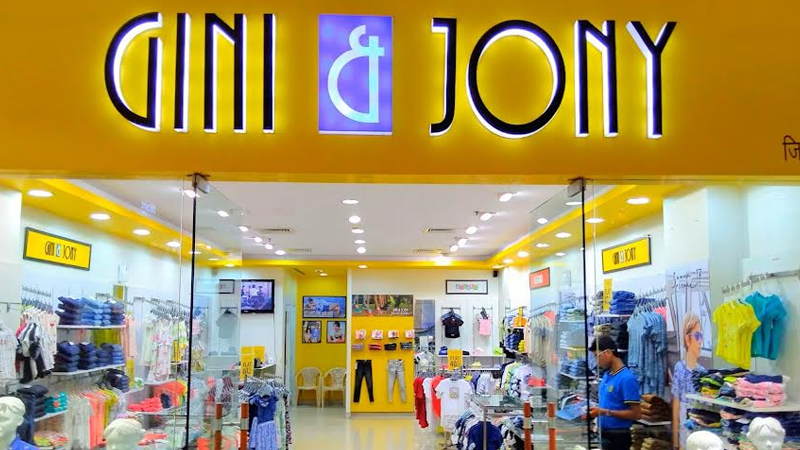
MUMBAI: When it comes to kids’ fashion, Gini & Jony is dressing for the digital age. The homegrown kidswear brand has partnered with e-commerce enabler Unicommerce to streamline its online operations and scale its presence across India.
Known for stylish, comfortable apparel for children, Gini & Jony is available in 50 exclusive outlets, 250 plus retail points, its brand website, and multiple online marketplaces. With Unicommerce’s multi-channel order and warehouse management systems, the brand can now process orders faster, track inventory in real time, and ensure seamless fulfilment across all sales channels.
Kidswear, unlike adult fashion, demands quick turnarounds, seasonal drops, and age-specific sizing, making inventory management a tricky business. Unicommerce’s technology promises smarter inventory control, faster deliveries, and an improved shopping experience for parents on the lookout for trendy outfits for their little ones.
India’s kids’ apparel market, valued at USD 24.56 billion in 2024, is projected to reach USD 29.35 billion by 2030, fueled by rising incomes, urbanisation, and growing brand consciousness among parents.
“Our focus is to boost our online revenue and reach more customers efficiently,” said Gini & Jony CEO Harsh Agarwal. “Partnering with Unicommerce helps us enhance digital capabilities and streamline operations.”
Unicommerce MD & CEO Kapil Makhija added, “Apparel is one of the most challenging segments in e-commerce, and we are excited to empower Gini & Jony to expand their digital footprint and serve India’s evolving kidswear market.”
With this collaboration, Gini & Jony is all set to make online shopping a seamless, stylish experience for parents and kids alike.

Brands
UK’s OnlyFans seeks US investor at $3bn valuation after owner’s death
The adult video platform is seeking stability after the death of its billionaire owner
LONDON: OnlyFans is looking for a new partner. The London-based adult video platform is in advanced talks to sell a minority stake of less than 20 per cent to Architect Capital, a San Francisco-based investment firm, in a deal that would value the business at more than $3bn (£2.2bn).
The move is driven by an urgent need for stability. Leonid Radvinsky, the Ukrainian-American billionaire who owned OnlyFans, died of cancer last month at the age of 43, leaving the future of one of Britain’s most profitable privately held businesses suddenly uncertain.
The choice of Architect Capital is not arbitrary. The firm has deep expertise in financial services, which aligns neatly with OnlyFans’ ambitions to offer banking products to its creators, many of whom have long struggled to access basic financial services because of the nature of their work.
The numbers behind OnlyFans are, by any measure, staggering. The platform posted revenues of $1.4bn in the year to 30th November 2024, with a pre-tax profit of $684m, up four per cent on the prior year. Payments to creators totalled $7.2bn over the same period, a rise of nearly ten per cent. Radvinsky personally collected $701m in dividends from the business in 2024 alone, on top of more than $1bn in such payments he had already received. The platform, run through its parent company Felix International, hosts 4.6m creator accounts, with performers keeping 80 per cent of subscription proceeds and the platform pocketing the remaining 20 per cent. It has 377m fan accounts in total.
The current minority stake talks represent a notable scaling back of ambitions. In January, OnlyFans was reported to be in discussions with Architect about selling a majority stake of 60 per cent. Before that, the company had explored a sale to a consortium led by Forest Road Company, a Los Angeles-based investment firm. Neither deal materialised.
OnlyFans has built an enormously lucrative business on content that mainstream finance has long refused to touch. Now, with its owner gone and a $3bn valuation on the table, it is looking for the kind of respectable institutional backing that might finally persuade the banks to take its calls.