MAM
Former Network18 CEO Avinash Kaul announces new book, shares teaser
The man who ran India’s largest news network turns 53 and decides it is time to tell his story


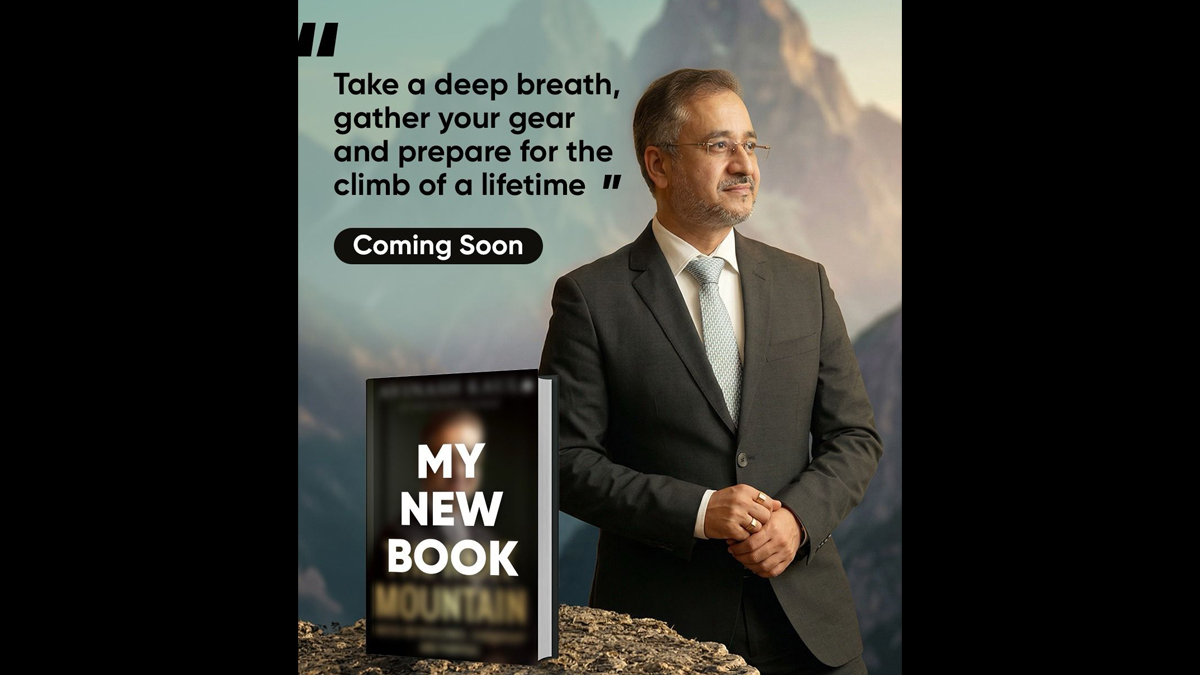
MUMBAI: Avinash Kaul has climbed a great many mountains in his 28 years in Indian media. Now, on the eve of his 53rd birthday, he is writing about all of them.
The former chief executive of Network18 Broadcast announced this week that a book is in the works, teasing the project on LinkedIn with a characteristically understated flourish: “A book is coming. My story. And yours, in every page.”
It is a story worth telling. Kaul spent 16 years in the chief executive’s chair, a tenure that saw him oversee the largest news network in India: 20 channels, 16 languages, and an annual reach of over 700 million viewers. Managing that scale, with its relentless demands of revenue, ratings, and editorial credibility, required equal parts strategic nerve and operational muscle.
His fingerprints are across the architecture of Indian broadcasting. At the Media Research Users Council, he served as a board member overseeing the Indian Readership Survey, the industry’s key print advertising metric. At the Broadcast Audience Research Council, he sat on the Extended Technical Committee, helping shape the television ratings system that governs how the entire industry measures itself. At The Advertising Club, he was a management committee member, embedded in the conversations that set the commercial agenda for Indian media.
What made Kaul effective, by most accounts, was not simply his command of revenue and market strategy, though that was formidable. It was his insistence on treating digital not as a threat to be managed but as a complement to be harnessed, integrating platforms and audience analytics into Network18’s content strategy at a time when many broadcasters were still hoping the internet might go away.
The book, whose title is yet to be revealed, arrives at a moment when Indian media is navigating one of the most turbulent periods in its history: fragmenting audiences, the relentless rise of connected television, and the slow but irreversible migration of advertising budgets toward digital. A memoir from someone who sat at the centre of those forces for the better part of three decades could hardly be better timed.
“Honestly. Gratefully. For every person who was part of this journey,” Kaul wrote, in the kind of language that suggests this will be less a chest-thumping executive memoir and more a considered reckoning with what it takes to lead through change. Whether the book delivers on that promise remains to be seen. But if his career is any indication, Kaul rarely does anything without a plan.