MAM
Fevicol bags CNBC-TV18’s IBLA brand campaign of the year award

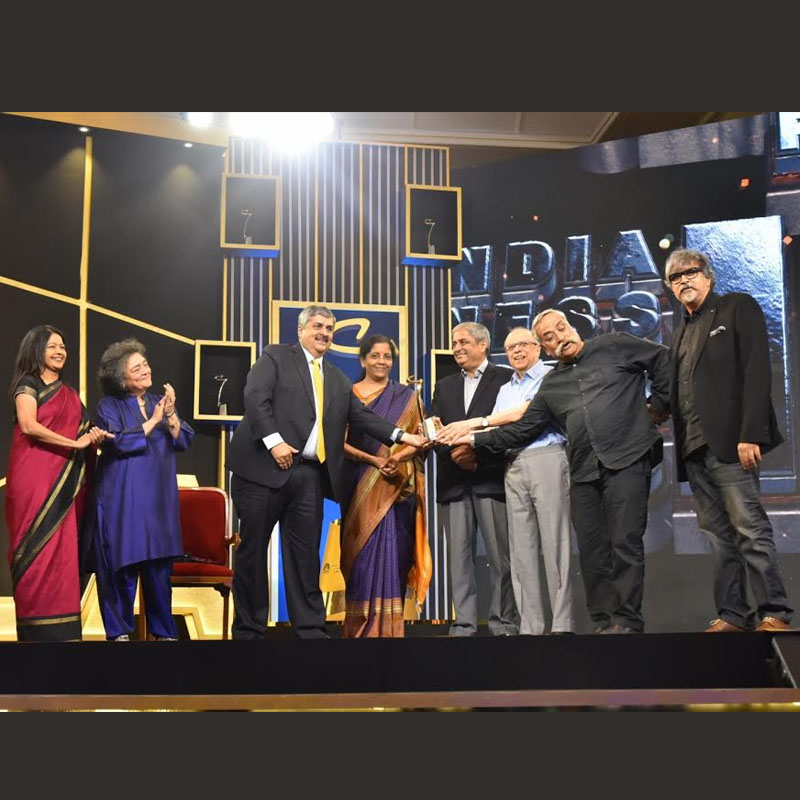
MUMBAI: Fevicol has been conferred with Brand Campaign of the year at the CNBC-TV18’s 15 Indian Business Leader Awards (IBLA), for its new ad campaign celebrating Fevicol’s 60 years milestone.
Conceptualized by Ogilvy, Pidilite’s creative agency, TVC reinforces the brand idea of ‘unbreakable bonds’, with the tagline ‘Barson se Barson Tak’. The film beautifully highlights Fevicol’s journey over the years in its typical human and humorous fashion. It further showcases the strength of Fevicol, while drawing parallels with the changing paradigms of Indian social and cultural scenario.
The award was presented by Minister of Finance Nirmala Sitharaman to Pidilite Industries chairman M.B. Parekh, Bharat Puri, Pidilite Industries managing director Piyush Pandey, Ogilvy worldwide and executive chairman India chief creative officer Prasoon Pandey, Ad Filmmaker, Corcoise Films.

Pidilite Industries managing director Bharat Puri said: “We are delightful and honoured to receive such a prestigious award. Fevicol, over 60 years has been one of the most trusted brands in Indian households. The brand is loved by consumers for its reliable performance as well as contemporary advertising and the 60-year campaign salutes this long-standing relationship with consumers and contractors.”
The campaign that won a million hearts also received phenomenal engagement on social media. The 90-second creative received 113 million completed views on various digital platforms apart from the innumerable shares on WhatsApp groups. The innovative usage of digital channels to propagate the campaign creative as content on OTT platforms such as Hotstar, Zee 5 struck a chord with the netizens.
The award sought to recognize the most impactful mass media/ advertising campaign and the jury members shortlisted the nominees based on criteria such as campaigns/communication that has been acknowledged and featured at industry forums, panels, and awards.






MAM
Vikram Vijay Chandan steps down as Vice President of Sales at Sony Pictures Networks India
Sales veteran exits after 16 years with the media giant.
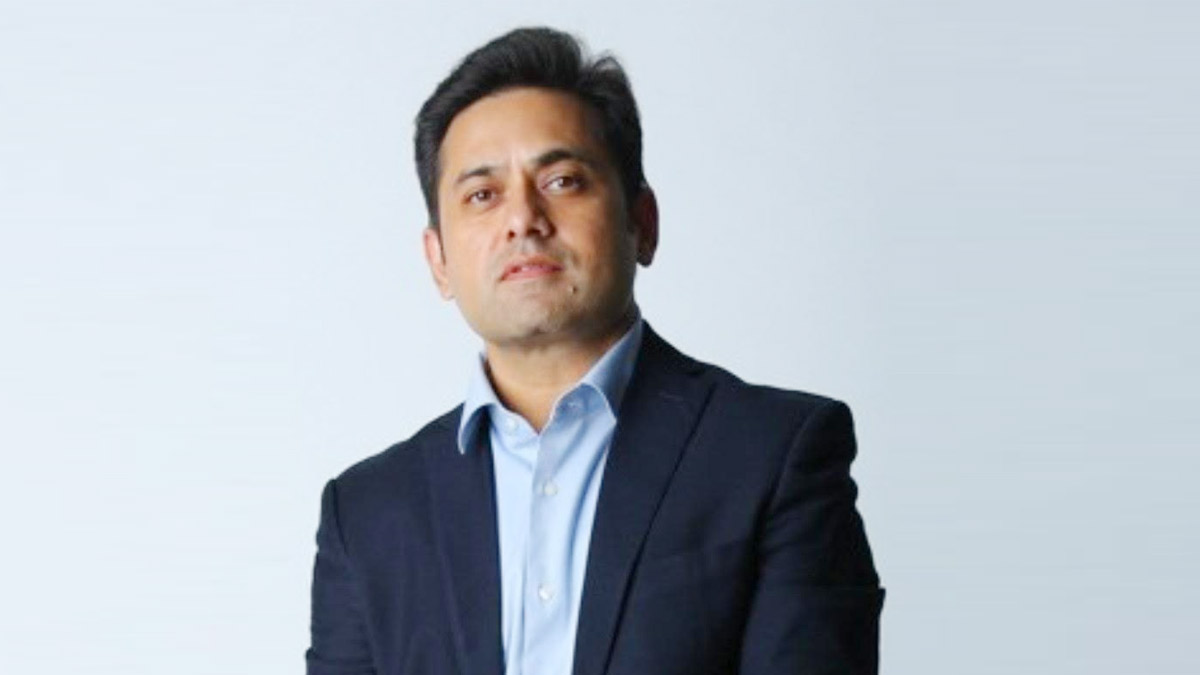
MUMBAI: Vikram Vijay Chandan has decided to change into a new pair of shoes after 16 years of striding through Sony Pictures Networks India. The experienced media executive has stepped down from his role as Vice President of Sales at Sony Pictures Networks Distribution India. He announced his departure via a LinkedIn post, describing it as “time to change into a new pair and step back into the game called life.”
Chandan joined Sony in 2010 and rose through the ranks, holding leadership positions across sales, affiliate partnerships, and business development. In his most recent role, he spearheaded national sales strategies and managed revenue responsibilities exceeding Rs 175 crore in the North region, while leading large cross-functional teams.
In his farewell note, he expressed a mix of emotions, “After spending 16 incredible years with Sony Pictures, I have decided to move on.”
Before joining Sony, Chandan gained valuable experience in sales and distribution at organisations including ESPN Star Sports, Lotte India, Cargill India, and Parle Products. He holds an MBA in Marketing from the Institute of Management Technology, Ghaziabad, and a B.Com degree from Delhi University.
Details of his next professional move have not been disclosed.
In the fast-paced world of media and entertainment, where deals move as quickly as content, Vikram Vijay Chandan has been a steady performer for over a decade and a half. As he steps away from Sony, the industry will be watching to see where this seasoned sales leader laces up next.







