Brands
Fabelle cracks the code with luxe Kunafa chocolates in India


MUMBAI: If dessert trends had a passport, Kunafa would be the global jet-setter of 2025 and now, Fabelle Exquisite Chocolates has decided to give it a five-star upgrade. Riding the wave of the world’s obsession with crackling kataifi, silky pistachio crème, and molten chocolate, ITC’s homegrown luxury brand has unveiled the Fabelle Kunafa Chocolate Collection, turning a viral sensation into a confectionery masterclass.
While Kunafa chocolate has been swirling through reels and TikToks globally, Fabelle’s Master Chocolatiers took the trend off the timeline and into the test kitchen quite literally. The team spent months inside Dubai’s patisseries, studying everything from how kataifi breaks to how pistachio crème behaves under different temperatures. Then came the flavour science: deep-diving into nut–chocolate pairings, texture calibrations, and taste harmony to bring India a version of Kunafa that isn’t just indulgent, but intensely crafted.
The result is a three-variant multisensorial collection that reimagines Kunafa with Fabelle’s trademark finesse:

• Milk Pistachio Kunafa Chocolate
A creamy blend of pistachio crème, delicate golden Kunafa strands, and the gentle nuttiness of slow-roasted pistachios, a nostalgic, melt-in-the-mouth experience.
• Pistachio Dark Chocolate Kunafa (64 per cent cocoa)
A richer, deeper take featuring dark chocolate’s intensity layered with smooth pistachio crème and crisp Kunafa textures.
• Pecan Dark Chocolate Kunafa (64 per cent cocoa)
A pioneering twist: buttery roasted pecans meet dark chocolate and Kunafa strands to create a bold yet balanced flavour profile, a first-of-its-kind Indian interpretation that adds a new dimension of luxury.
In fact, the pecan variant marks a notable leap in taste innovation for the Indian market, expanding the Kunafa trend beyond the expected pistachio territory.
Speaking about the collection ITC Limited vice President and head of marketing for chocolates and coffee & confectionery for foods division Anuj Bansal, said the global craze offered an opportunity “not just to follow the trend but to elevate it through months of dedicated research and craftsmanship.” He added that combining insights from Dubai’s finest patisseries with advanced flavour science allowed Fabelle to create “three distinct sensorial experiences from the creamy nostalgia of Milk Pistachio to the bold roasted depth of the novel Dark Pecan Kunafa Chocolate.”
Beyond the kitchens, the brand is ensuring the Kunafa experience travels far and wide. The collection will be available across Fabelle boutiques in Mumbai, Bengaluru, Chennai, Hyderabad, Ahmedabad, Delhi, Amritsar, and Kolkata, as well as digitally via Fabelle.in, Swiggy, and Zomato.
With this launch, Fabelle hasn’t merely joined the Kunafa trend, it has raised the bar, plated it with gold, and served it with a distinctly Indian touch of craftsmanship. In a dessert world full of imitations, this one arrives with a signature crackle.







Brands
YES Bank appoints S Anantharaman as chief risk officer
Former Jio Financial Services group chief risk officer takes charge of enterprise-wide risk at the embattled private lender
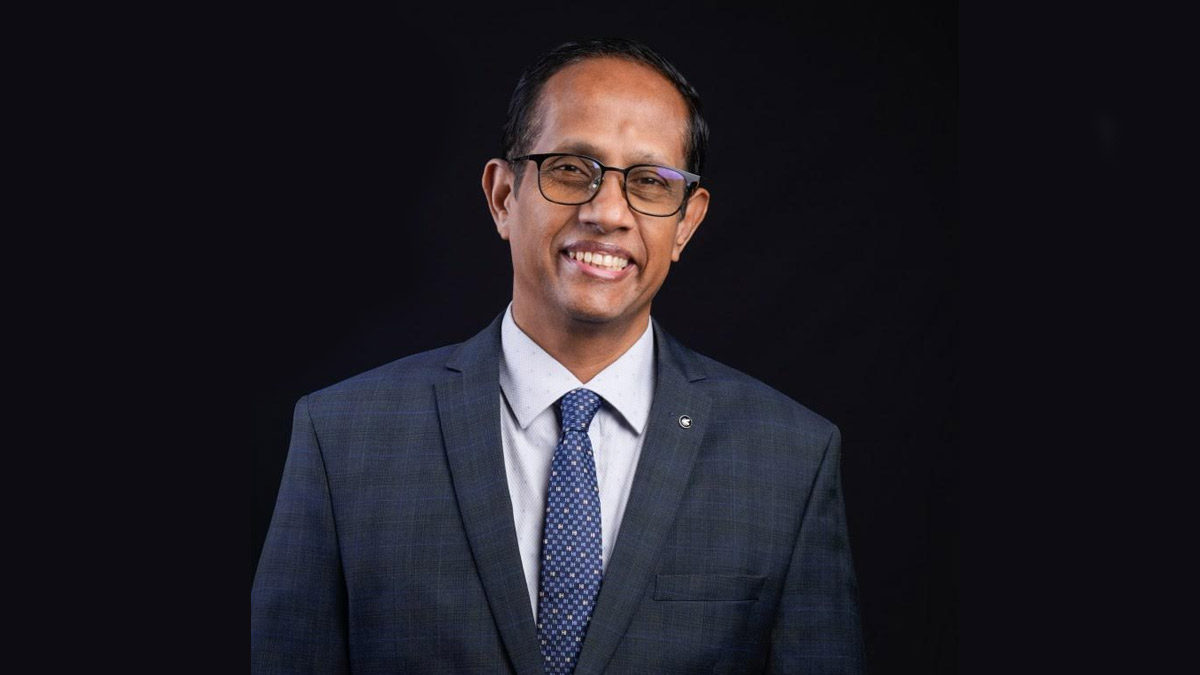
MUMBAI: YES Bank is not taking chances with risk anymore. The private lender has appointed S Anantharaman as its chief risk officer, a hire that signals the bank’s continued effort to rebuild credibility and tighten the controls that once famously slipped.
Anantharaman arrives from Jio Financial Services, where he served as group chief risk officer and built a risk management architecture spanning lending, payments, insurance broking and asset management from the ground up. Before that, he held the chief risk officer role at Bank of Baroda and senior leadership positions at HDFC Bank and L&T Finance Holdings. Three decades in banking and financial services, in other words, with scars and qualifications to match. He is a chartered accountant and a CFA charterholder.
At YES Bank, his brief is considerable. Anantharaman will oversee the bank’s entire enterprise-wide risk framework, covering credit policy, market risk, operational risk, information security, data governance, analytics, model governance and data privacy. It is, in short, every lever that matters when a bank is trying to prove it has grown up.
YES Bank’s turbulent past needs little rehearsing. What it needs now is exactly what Anantharaman has spent thirty years building: the kind of risk culture that stops problems before they become headlines. The appointment suggests the bank knows it.






