
Brands
Deepinder Goyal in talks to invest $1M in drone startup Kalam Labs
Zomato founder may join $5–7M funding round for stratospheric UAV developer


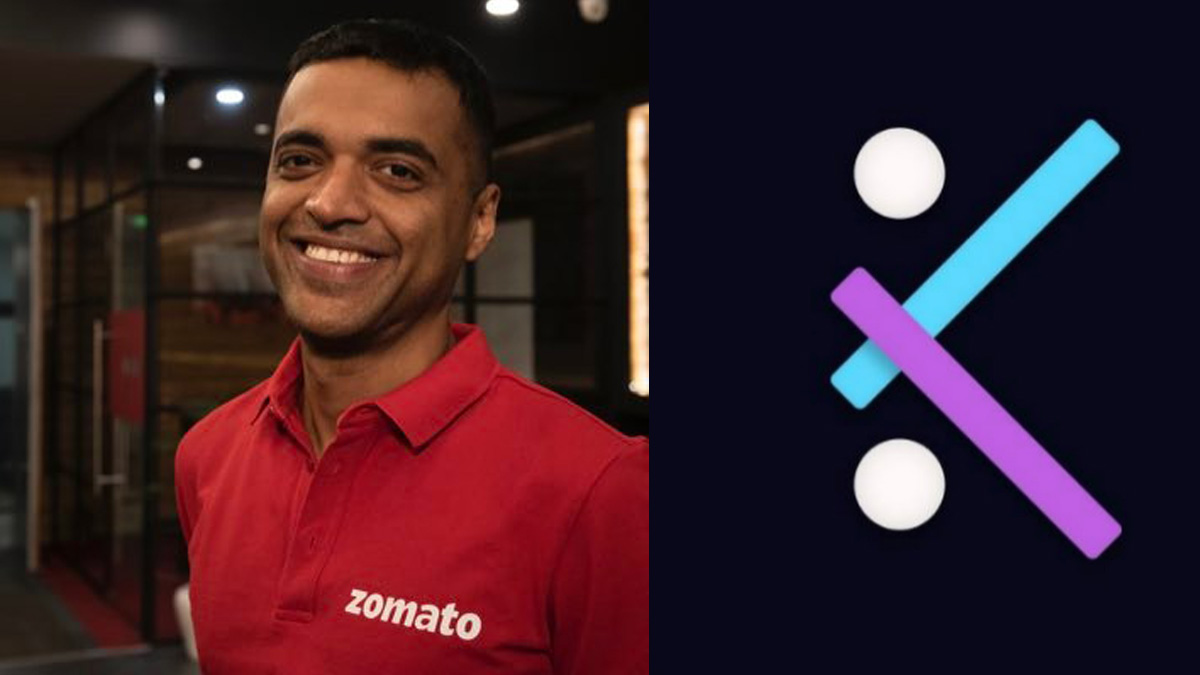
MUMBAI: Zomato founder Deepinder Goyal is reportedly in advanced discussions to invest around $1 million (Rs 9 crore) of his personal wealth in Kalam Labs, a Lucknow-based startup developing near-space drones. The company is currently raising a larger funding round estimated between $5 million and $7 million, according to reports.
Founded in 2018 by BITS Pilani graduates Harshit Awasthi, Sashakt Tripathi and Ahmad Faraaz, Kalam Labs initially started as an educational technology platform before pivoting to the aerospace and defence sector. The company now focuses on developing advanced unmanned aerial vehicles (UAVs) designed for high-altitude operations.
The startup’s drones are designed to operate in the stratosphere, significantly higher than typical commercial UAVs. According to the founders, the drones have minimal thermal signatures and low radar cross-sections, making them difficult to detect. They also claim the systems can deliver capabilities comparable to mini fighter jets while maintaining the manufacturing costs of traditional drones.
Investor interest in India’s drone and defence technology sector has grown in recent years, particularly as autonomous systems gain strategic importance in modern security operations.
Kalam Labs has already attracted backing from venture capital firms including Lightspeed Venture Partners and Y Combinator. The startup also gained wider visibility after appearing on Shark Tank India, where it secured investment from Aman Gupta, and through a technical collaboration for the aerial action film Fighter.
The potential investment reflects Goyal’s increasing focus on frontier technologies through his personal investments. He has backed several ventures across space, aerospace, health, and hardware innovation.
His notable investments include Pixxel, a space technology company where he reportedly invested $25–30 million, Temple, a wearable technology startup that recently raised $54 million from Vy Capital and others, LAT Aerospace, focused on specialised aviation engineering, and Continue, a research-driven venture exploring longevity and human health.
The ongoing funding round for Kalam Labs is also expected to include participation from Globaz Technologies, as the startup looks to scale its manufacturing capacity and research and development capabilities.






