MAM
Faasos brings back Pizza Wraps with Bollywood themed AI campaign
Campaign recreates iconic films, partners 20 plus influencers.
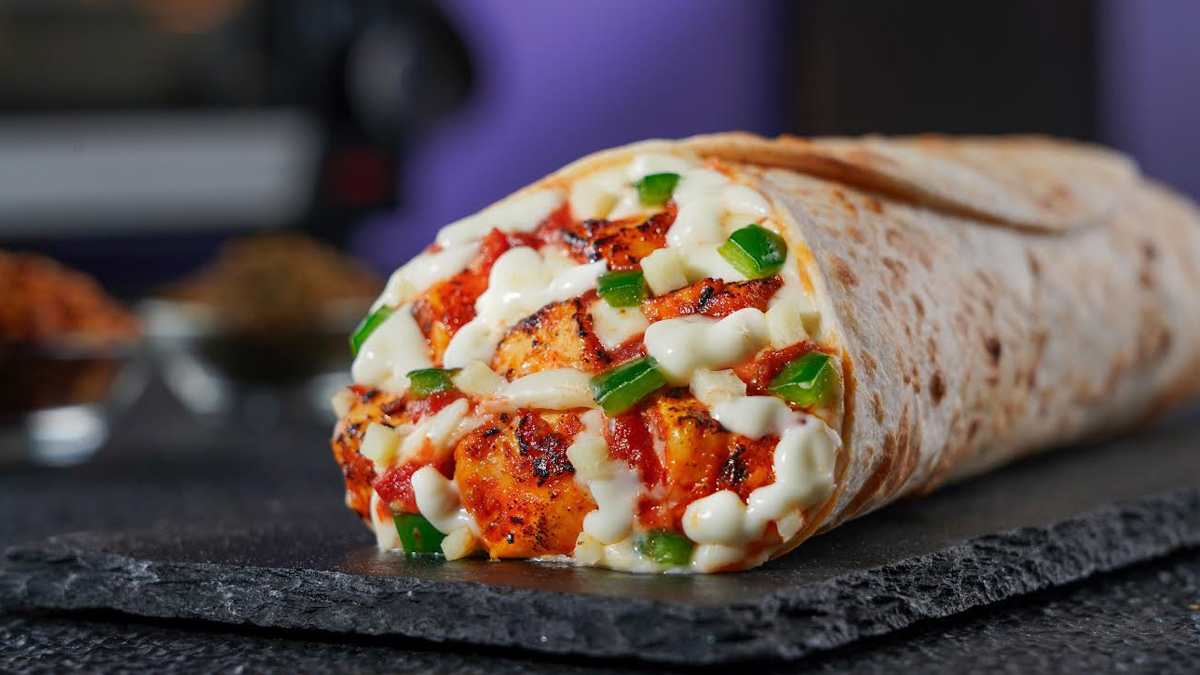
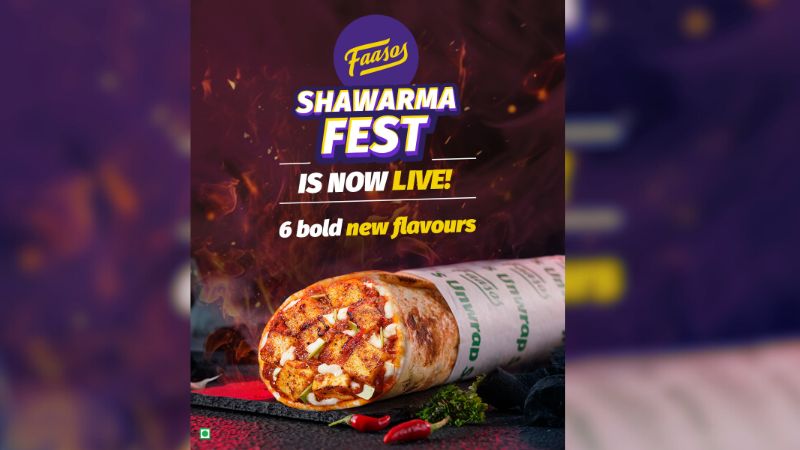
MUMBAI: Picture this, Shah Rukh pauses mid-dialogue not for love, but for a pizza wrap. That’s the kind of plot twist Faasos is serving up. The Rebel Foods-backed brand has relaunched its Pizza Wraps with a Bollywood-inspired campaign that blends nostalgia, humour and artificial intelligence. Drawing from iconic films such as Dilwale Dulhania Le Jayenge, Om Shanti Om, Zindagi Na Milegi Dobara, Yeh Jawaani Hai Deewani and Phir Hera Pheri, the campaign reimagines memorable scenes with Pizza Wraps cheekily taking centre stage.
At a time when attention spans are short and scrolling is endless, the brand is leaning into AI-led storytelling to make familiar cinematic moments feel fresh and shareable. The idea is simple but effective: take what audiences already love Bollywood and remix it with food that fits modern lifestyles.
The product itself is positioned as a response to a practical problem. While pizza remains a universal favourite, it is not always designed for life on the move. Pizza Wraps aim to solve that by delivering the same flavours in a format that is easier to hold, less messy and built for single-serve convenience.
To extend reach, Faasos has also roped in more than 20 influencers, who are creating filmy, dialogue-driven content across social platforms turning everyday snacking into a performative, shareable moment.
The result is a campaign that does more than announce a comeback. It taps into cultural memory, repackages it with technology and serves it in a format designed for today’s always-on audience.
Because if hindi movies has taught us anything, it’s this drama sells. And now, apparently, so do pizza wraps.

Brands
AI becomes key tool for Indian travellers, Agoda report finds
68 per cent plan to use AI for trips as 33 per cent already rely on it.
MUMBAI: Holiday planning is getting a software upgrade less “Where should we go?” and more “What does the algorithm say?” Indian travellers are increasingly turning to artificial intelligence to map their journeys, with new data from Agoda’s 2026 Travel Outlook Report suggesting that AI is fast becoming central to how trips are imagined, planned and booked.
While 33 per cent of respondents said they already use AI tools for travel planning, a far larger 68 per cent indicated they are likely to rely on it for their next trip pointing to a sharp acceleration in adoption in a market already comfortable with digital-first travel.
What travellers want from AI, however, goes well beyond basic search. The report shows 38 per cent are looking for recommendations on local attractions and activities, while 37 per cent expect personalised itineraries. Destination discovery remains a key use case at 29 per cent, with dining suggestions (23 per cent) and budget management (22 per cent) also emerging as practical applications.
The shift reflects a broader change in expectations AI is no longer a novelty but a planning companion expected to work across every stage of the journey, from inspiration to execution.
Trust levels appear to be keeping pace. Nearly 88 per cent of respondents said they either trust or feel neutral about AI-generated recommendations, including 53 per cent who expressed clear confidence. This builds on earlier trends, with Agoda’s 2025 survey showing nine in ten Indian travellers already using apps to book travel suggesting AI adoption is more evolution than disruption.
The company has been testing this appetite through initiatives such as its 2025 AI-powered Vacation Planner campaign, which generated customised itineraries and visuals based on user inputs, delivered with a layer of celebrity-led engagement.
For platforms like Agoda, which aggregates more than 6 million properties, over 130,000 flight routes and 300,000 travel activities, AI offers a way to navigate scale without overwhelming users turning abundance into relevance.
As AI continues to embed itself into everyday decision-making, India is emerging as a market where travel planning is not just going digital, but decisively intelligent.