MAM
Digital trends that define 2018 & expectations from 2019

MUMBAI: The calendar year 2018 has been an eventful year for the media and entertainment industry. The Indian M&E industry is in the midst of a rapid change. Industry estimates peg the internet population of India upwards of 500 million. India emerged as one of the largest consumers of mobile data largely driven by the content consumption on mobile devices. Digital has transformed the access to content and participation in media, and the consumers have shown affinity towards great content on newer screens.
Big trends of 2018
Rise of tier 2 & tier 3 markets – Video based platforms have aggressively targeted users in tier 2 & 3 towns of India in 2018. This was predominantly seen amongst the Chinese & home-grown Indian companies and is a fairly different approach from ones implemented by traditional silicon valley based social platforms which start with metros and spread to smaller towns. This trend indicates that Indian language content has grown in popularity. From Southern languages to North/West regional languages – content creation and consumption across Non-Hindi Indian languages has seen a massive jump this year.

Democratisation of influence – This year has also witnessed the explosion of content creation on short video platforms. Be it sing along songs, shorter forms of interactive videos or long format live content – there has been a massive outburst of content creation by users on different platforms. This has resulted in the rise of a newer breed of influencers. In the past all we knew were YouTubers, but this year saw the rise of Musers (derived from Musically, now TikTok) and Smulers (derived from Smule). Brands and movies are recognising the power of their reach, especially among the youth.
Original Content Explosion – 2018 has been an inflection point in the history of OTT platforms. Indian and global OTT platforms have been extremely bullish on developing original content for consumers. To gain foothold in India’s highly competitive OTT segment, global players have increasingly signed content licensing deals with local players to expand their content library. While some platforms have chased Bollywood studios and actors to gain traction, some platforms have played it safe by banking on relatable Indian tales. All these platforms have employed aggressive marketing campaigns and promotional offers to feel the pulse of the audience. The verdict is far from out on the type of content that resonates with Indian audiences. Most industry figures suggest that number of people consuming original content on OTT platforms is a very small niche.
Expectations from 2019
Blind spots as we look ahead – With the launch of new platforms for short video content, risk of piracy and copyright infringement tags along. The content industry will have to pick and choose the right platforms to work with and ensure strict controls are put in place to protect the content.
Future looks exciting – The digital ecosystem in India is very well positioned to grow in 2019 as most conditions indicate that India is currently at the position that China was 5-7 years ago. 2019 will continue to see a high rise of content creation and consumption in India, thanks to the increasing internet penetration and data availability at low cost. 2019 will hopefully be a year of new platforms emerging with local/hyperlocal appeal and growth of language content at a fast pace. The year will have more and more people paying for content online. Newer monetization models with in-app micro-payments and gamification will also boom in the coming years.
(The author is senior vice president, investment operations at Times Bridge. The views expressed here are his own and Indiantelevision.com may not subscribe to them)






Brands
Kingfisher signs three-year IPL partnership
Packaged water brand signs on as ‘good times partner’ for 2026–28 cycle
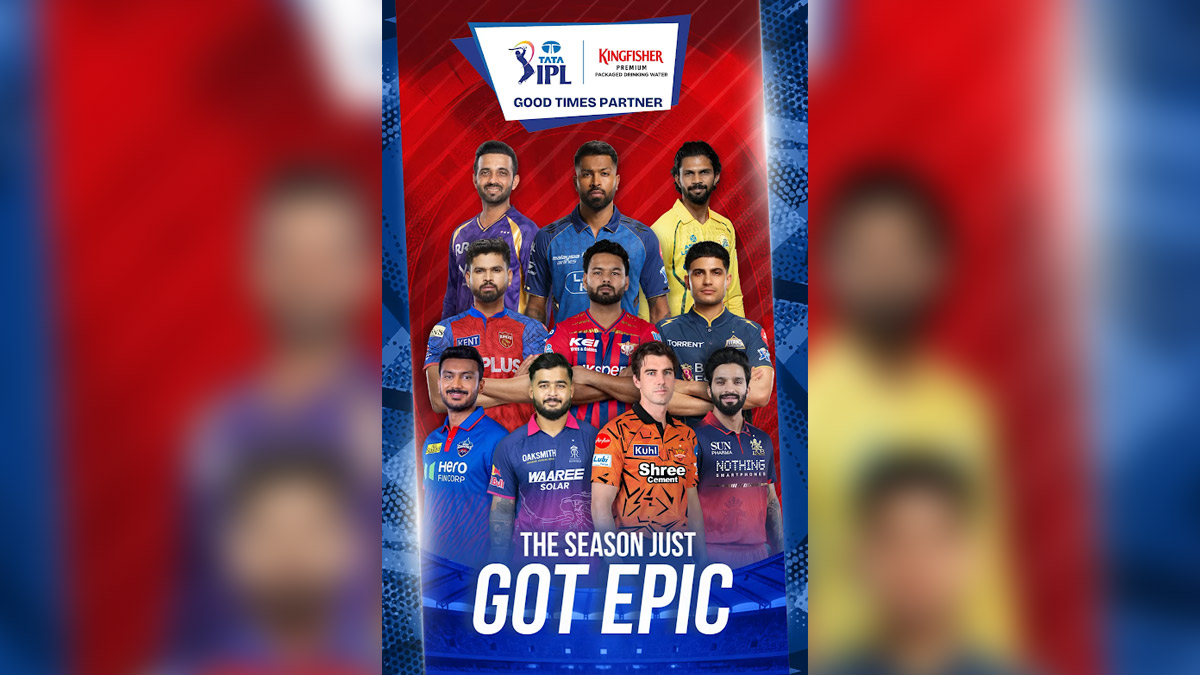
MUMBAI: Kingfisher Premium Packaged Drinking Water is betting big on cricket’s biggest stage, sealing a three-year partnership with the Board of Control for Cricket in India to sharpen fan engagement at the TATA Indian Premier League.
The brand, owned by United Breweries, will serve as the official “good times partner” for the men’s IPL from 2026 to 2028, extending a relationship that began with the Women’s Premier League. The move signals a broader push to embed itself deeper into live sport, with a focus on immersive, consumer-led experiences rather than conventional sponsorship visibility.
At the heart of the tie-up is a suite of fan-first activations spanning broadcast, stadiums and digital channels. These include the “Kingfisher Bird Cam”, offering a branded spider-cam perspective during live matches, and the “Good Times Zone”, an in-stadium entertainment hub during play-offs aimed at amplifying match-day buzz. The brand will also back IPL fan parks, elevate public screening experiences and run digital contests tied to key moments through the season.
Vikram Bahl, chief marketing officer, United Breweries, said cricket in India “is more than a sport, it is a shared cultural moment”, adding that the IPL brings that energy alive at scale. “For Kingfisher Premium Packaged Drinking Water, being present at the heart of these moments, in partnership with the BCCI, is a natural extension of what we stand for. Through this association, we aim to enrich how fans experience the game… making every match more immersive, social and memorable,” Bahl said.
Devajit Saikia, honorary secretary, BCCI, said the IPL “has always been at the forefront of redefining sports entertainment and fan engagement”. He added that the collaboration would fuse cricket fandom with “innovative fan experiences that extend beyond the stadium”, helping create memorable moments for audiences nationwide.
For United Breweries, part of the HEINEKEN group, the play is clear: move from passive branding to active participation in the fan journey—on screens, in stands and across social spaces. With millions tuning in and turning up each season, the IPL remains the country’s most potent marketing theatre. The question now is whether “good times” can translate into lasting brand recall in a market where visibility is easy, but engagement is hard-won.








