MAM
Digital Diwali: Online platforms spread festive cheer

NEW DELHI: 2020 has been a difficult and challenging year on many fronts on account of the Covid2019 pandemic. Alongside, it has taught us to value life and treasure every moment spent with our near and dear ones – and Diwali is the perfect time to do so. With the festival of lights and joy upon us, digital platforms across categories have come up with fun and innovative ways to celebrate the occasion with everyone.
Here's a look at some of the campaigns by digital platforms that advocate following precautions and overcoming adversities through togetherness this Diwali:-
Mitron

Mitron is spreading festive cheer with the launch of its Diwali campaign #mitronkidiwali. Users are invited to share their Diwali celebrations on the short video sharing app, by participating in an exciting contest.
Adding to the festivities, Mitron has also launched catchy in-app music. Titled ‘Happy Diwali Mitron’, the toe-tapping song urges users to enjoy the festivities with family and friends.
For the contest, users are invited to upload Diwali celebration videos with festive elements like rangoli, firecrackers, playing cards, Diwali cleaning, sweets, and festive attire. There are six categories for participants to choose from, which will then serve as the theme of the video. These include Miss Phuljadi #diwalidiva (best dressed female), Mr Bomb #diwalihunk (best dressed male), Super Lit Diwali #litdiwali (best Diwali decoration), Jashn-e-Diwali (best Diwali celebration with family/friends) and Mitron ki Diwali (best Diwali video on the app). Content creators can participate in all the categories and create as many videos as they like. Six lucky winners will get to win some amazing prizes.
Eros Now
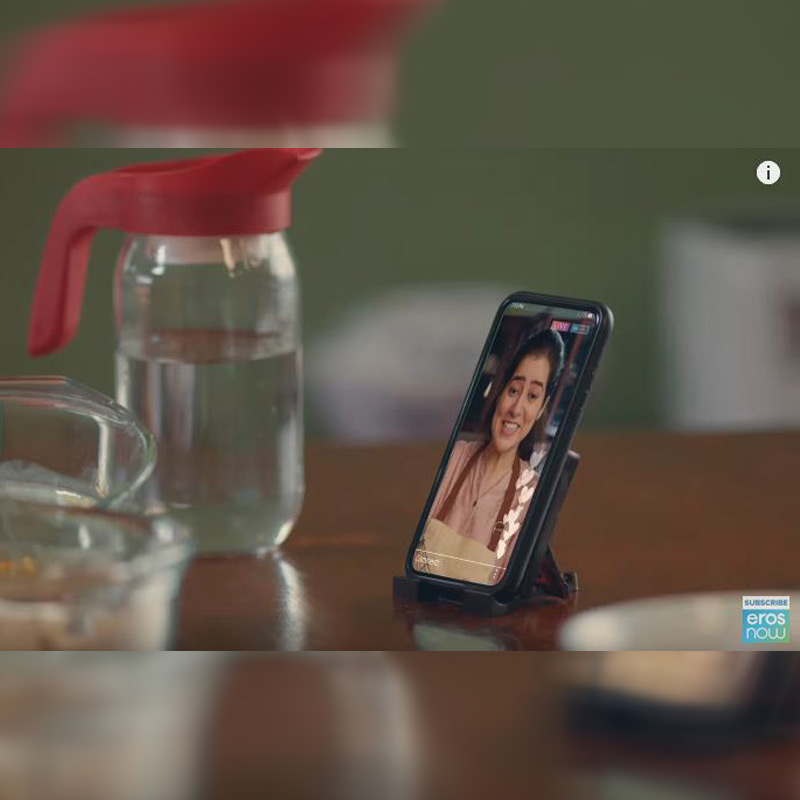
Eros Now, through its #UnlockDilwaliDiwali campaign, is encouraging users to celebrate the festivities with loved ones. While it is important to be mindful of the current circumstances which restrict certain activities, what matters in the end is quality content at affordable prices. Eros Now’s #UnlockDilwaliDiwali campaign is based on the simple premise that people can remain safe and have fun at the same time by spending this special occasion indoors together, binge watching their favourite movies with a helping of their favourite mithai on the side.
9stacks
9stacks, the poker platform, has dealt out the Yeh Diwali Poker Wali campaign, wherein players can simply stay home and connect with their close ones over the voice enabled private table feature on the platform. Through the private table option, users can reserve tables to play with their friends and family anytime during this festive season.
With the much-awaited festival of Diwali just around the corner, most families are looking forward to spending time with each other in-house as going out and celebrating would not be possible amidst the pandemic. Hence, in such a scenario, the concept of private tables will help users bond with their loved ones as well as break the monotony brought in by the lockdown over the last few months. 9stacks invites everyone to host Poker nights this festive time by gathering around with their loved ones and enjoying a riveting game that is sure to keep them hooked.
Facebook has shared a short film underscoring the power of connections, and its brand belief that people can do ‘More Together’ than alone.
The film's plot is centered around the spirit of resilience of 28-year-old Pooja and how she helps sustain as many households as possible through the hardships of the pandemic via her dairy venture. The decision to hire more personnel, even when business is slow, comes at a great personal cost. However, the way the plot unfolds showcases the limitless possibilities when people come together.
Paytm
The online wallet brand has launched a film to celebrate the festive spirit. It showcases a strong emotional bond between the family members even if they are separated by distance. It is an extension of the company’s ongoing TV campaign highlighting the seamlessness of Instant Bank to Bank Transfers through the Paytm app.







Starting a business is one of the most financially demanding transitions a person can make. In the early months, expenses are immediate and often unpredictable, while revenue streams may take time to stabilise. For first-time entrepreneurs, securing small business loans can feel like a paradox: lenders expect a clean financial track-record before approving a loan, but the business cannot establish that track record without funding. Understanding the start-up lending environment in India and knowing the realistic funding options make this process far less daunting, allowing entrepreneurs to plan strategically.
Why Traditional Business Loans Are Harder for Start-ups
Most financial institutions require a minimum business vintage of 2 to 3 years before approving a term loan. This is because the first two years of operations carry the highest risk of failure. For start-ups less than 12 months old, traditional loan options are limited, and lenders often ask for substantial collateral to mitigate risk.
The vintage requirement is not arbitrary. Businesses that have survived their first two operating cycles demonstrate market viability, which significantly lowers the lender’s risk. Until this milestone is reached, entrepreneurs often rely on bootstrapping, personal savings, or alternative financing to build a stable business foundation. Understanding this reality helps first-time entrepreneurs set practical expectations when seeking funding.
Government-Linked Schemes for Startups
India offers several government-backed schemes to support first-time entrepreneurs. One such scheme is the Pradhan Mantri Mudra Yojana (PMMY), which provides collateral-free loans for micro and small enterprises in three categories:
● Shishu: up to Rs. 50,000
● Kishore: Rs. 50,000 to Rs. 5 lakh
● Tarun: Rs. 5 lakh to Rs. 10 lakh
These loans are available through eligible lending institutions, making them suitable for early-stage businesses. For first-time entrepreneurs, a Mudra loan not only provides initial working capital but also helps establish a credit history. Repaying a Mudra loan on time strengthens the entrepreneur’s profile and increases the chances of securing larger loans in the future.
Using Personal Loans to Fund Early-Stage Needs
When business loan eligibility is not yet established, a personal loan can serve as bridge funding. These loans are assessed on the individual’s credit profile and income rather than the business’s financial history, making them accessible to salaried individuals or those with a strong personal credit record.
Personal loans have limitations: the loan amount is capped based on personal income, and the interest rate is typically higher than secured business loans. Nevertheless, taking out a personal loan during the first 12 to 18 months can provide crucial support as the start-up builds its financial profile. It is especially useful for covering immediate expenses such as inventory, marketing, or office setup costs.
Alternative Financing Options for Startups
For start-ups that are not yet eligible for traditional business loans, other financing options are available through financial institutions. Many lenders offer startup-focused or small-business loans designed for early-stage businesses. These loans evaluate the entrepreneur’s personal credit profile, business plan, and projected revenue rather than relying solely on business vintage. Financial institutions such as Tata Capital provide these loans with minimal documentation and fast disbursal, enabling entrepreneurs to manage operational expenses, purchase equipment, or fund early growth initiatives without pledging collateral.
Some lenders also offer flexible loan amounts, quicker approvals, and streamlined processes, making them well-suited for first-time entrepreneurs. Exploring these options early allows start-ups to access working capital while gradually building a credit history that will support larger loans in the future.
Building the Right Financial Profile Before Applying
For entrepreneurs planning to apply for a business loan in 12 to 18 months, the preparation period is critical. Key steps include:
● Filing Income Tax Returns (ITRs) consistently and accurately from the first year
● Maintaining a clean current account with regular deposits and no overdraft patterns
● Keeping the promoter’s CIBIL score above 750
Lenders assess start-ups by examining these signals. Entrepreneurs who maintain financial discipline from the start will have stronger loan applications after two years. Additionally, tracking cash flow and avoiding irregular withdrawals can further enhance the business’s credibility.
Collateral-Based Options for Larger Requirements
Startups requiring larger amounts beyond government schemes can consider loans against property. These loans allow entrepreneurs to access larger amounts of funding at lower interest rates, as the property secures the lender’s risk.
This option carries significant risk: using personal or family assets as collateral can result in a loss if the business does not perform as expected. Such loans should be considered only when the business plan is validated, the entrepreneur has clear cash flow projections, and the repayment strategy is realistic. Careful assessment of risk versus reward is essential before pledging assets.
Practical Steps to Strengthen Your Loan Application
To maximise the chances of approval, entrepreneurs should:
● Maintain accurate financial statements, bank records, and GST returns.
● Avoid over-borrowing; apply for realistic amounts that match business needs.
● Keep personal and business credit profiles in good standing.
● Explore lenders that offer startup-friendly products.
● Be transparent and complete in all documentation.
Taking these steps early ensures a smoother and faster loan process when the business is ready for formal financing. A well-prepared application reduces processing delays and demonstrates professionalism to the lender.
Conclusion
First-time entrepreneurs often face a funding gap in the early stages, but it is usually smaller than it appears. Maintaining clean banking records, filing ITRs consistently, and exploring personal loans, government schemes, and alternative financing options help build a strong financial profile. Entrepreneurs who plan systematically from day one are better positioned to access formal credit sooner, giving their start-ups financial stability through small business loans.
The ideal time to start building a credit-worthy business profile is the very first month of operations, not when applying for a loan. By understanding available funding options and acting proactively, first-time entrepreneurs can confidently apply for a business loan and set their businesses on a path to long-term growth.







