MAM
Deepanshu Manchanda named IIMSAM Goodwill Ambassador
Zappfresh founder to advocate for Zero Hunger and nutrition goals.
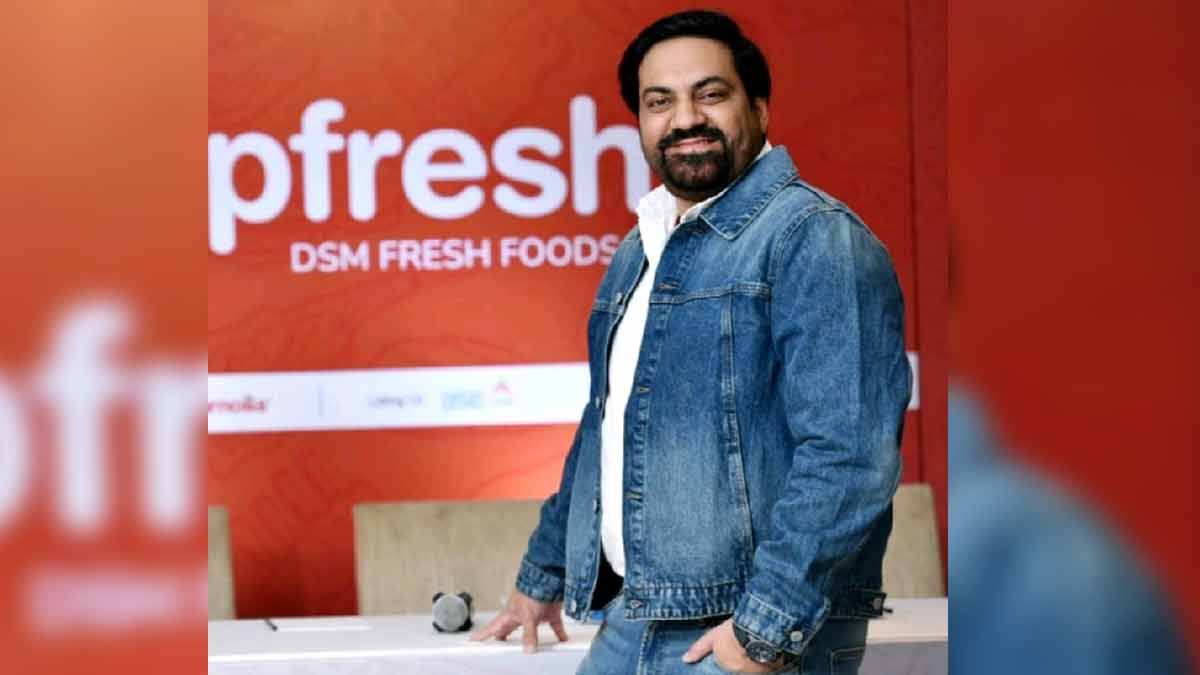
MUMBAI: Deepanshu Manchanda just got a United Nations side quest because when you’re already fighting hunger from farm to fork, the next level is global goodwill. Deepanshu Manchanda, founder and managing director of DSM Fresh Foods Ltd. (Zappfresh), has been appointed Goodwill Ambassador for the United Nations Sustainable Development Goals by the Intergovernmental Institution for the Use of Micro-Algae Spirulina Against Malnutrition (IIMSAM), an observer to the UN Economic and Social Council (ECOSOC).
The honorary, non-remunerative role recognises his work in building inclusive, transparent food systems, strengthening smallholder farmer livelihoods especially women producers and advancing nutrition and food security.
Since founding Zappfresh in 2015, Manchanda has focused on traceability, farmer inclusion and public health. A notable collaboration with Shared Wealth Ventures LLC (a Heifer Project International subsidiary) established a backyard poultry sourcing model across Odisha, Bihar and Andhra Pradesh, linking women-led households directly to organised markets while promoting biosecurity and premium procurement practices.
As Goodwill Ambassador, he will support initiatives aligned with:
- SDG 2 (Zero Hunger) – advocating sustainable nutrition solutions
- SDG 3 (Good Health and Well-Being) – raising awareness of malnutrition interventions
- SDG 17 (Partnerships for the Goals) – fostering collaboration across institutions and communities
Manchanda said, “I’m honoured by IIMSAM’s recognition. It reflects the journey we began at Zappfresh to build transparent food systems that support smallholder farmers and improve nutrition outcomes. I’m eager to support collaborative progress toward Zero Hunger, better nutrition, and strong partnerships on a global scale.”
In a world where hunger and opportunity often sit at the same table, Manchanda isn’t just serving fresh food, he’s serving fresh hope, one traceable chicken and empowered farmer at a time.

Brands
Estée Lauder to shed 10,000 jobs as new boss bets on digital shift
The cosmetics giant raises its profit outlook but stays silent on a possible merger with Spain’s Puig, as job cuts deepen and a three-year sales slump weighs on the turnaround
NEW YORK: Stéphane de La Faverie is not done cutting. Estée Lauder announced on Friday that it plans to eliminate as many as 3,000 additional jobs, taking its total redundancy programme to as many as 10,000 roles, up from a previous target of 7,000 announced a year ago. The company, which owns La Mer, The Ordinary, Tom Ford, and Aveda, employs roughly 57,000 people worldwide. The mathematics of what is now being contemplated is stark.
The fresh round of cuts is expected to generate a further $200 million in savings, bringing the total annual savings from the programme to as much as $1.2 billion before taxes. That money, De La Faverie has made clear, will be ploughed back into the turnaround.
A CEO in a hurry
De La Faverie, who took the helm in January 2025, inherited a company that had endured three consecutive years of annual sales declines. His response has been to move fast and cut deep. A significant portion of the latest redundancies reflects his push to reduce headcount at US department stores, long a cornerstone of Estée Lauder’s distribution model but now a channel in structural decline. In their place, he is accelerating the shift toward faster-growing online platforms, including Amazon.com and TikTok Shop, a pivot that is reshaping not just where Estée Lauder sells but how it thinks about its customers.
The numbers are moving in the right direction
Despite the pain, there are signs the medicine is working. Estée Lauder raised its profit outlook for the remainder of the fiscal year, guiding for adjusted earnings per share in the range of $2.35 to $2.45, above analyst estimates and a notable step up from the $2.05 to $2.25 range it had guided for in February. Organic net sales growth is expected to come in at 3 per cent, the company said, at the high end of the range it set out in February.
The share price tells a mixed story. After De La Faverie took charge, the stock surged nearly 60 per cent, buoyed by investor optimism that a longtime company insider could finally arrest the decline. But 2026 has been rougher: the shares have fallen 27 per cent this year, weighed down by disappointing February results and the overhang of unresolved merger talks with Spanish beauty giant Puig Brands SA. The company gave no additional details about those discussions on Friday, leaving the market to guess.
Silence on Puig
The proposed tie-up with Puig remains the most consequential unknown hanging over Estée Lauder. A deal with the Barcelona-based group, which owns brands including Carolina Herrera and Rabanne, would reshape the global luxury beauty landscape. But with nothing new to say and a turnaround still very much in progress, De La Faverie is asking investors to trust the process.
Three years of sales declines, 10,000 job cuts, and a merger that may or may not happen. At Estée Lauder, the overhaul has barely started.