MAM
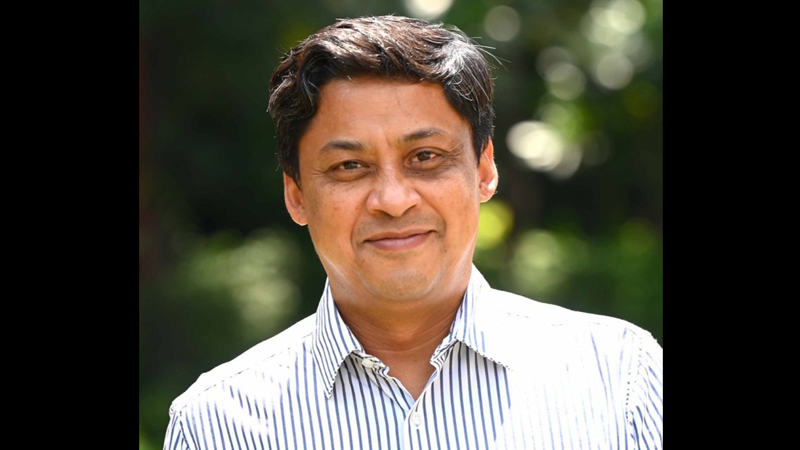
Chhatra Chhetri to lead Times of India Delhi branch
DELHI: Chhatra Chhetri has taken charge as branch head – Delhi-1 at Bennett, Coleman and Co. Ltd, the media powerhouse behind The Times of India. The move marks a return to the country’s biggest newsroom network for the seasoned business leader, who called the role an opportunity to contribute to an organisation with a legacy that has shaped Indian media for generations.
In his note on the transition, Chhetri said he looked forward to driving growth, building partnerships and working closely with teams to raise the bar on performance and service. He also expressed gratitude to mentors and colleagues who have supported his journey.
Chhetri brings over two decades of experience across print, digital and multimedia businesses, with a track record of steering complex regions, leading large teams and unlocking new revenue streams.
Before joining the Times Group, he served as business head for Haryana, Punjab, Himachal Pradesh, Jammu and Kashmir and Ladakh at Hindustan Times. He oversaw government and commercial operations, led a workforce of more than 200 professionals and delivered sustained double-digit revenue growth across print, digital and events. His tenure focused on regional market expansion, digital transformation and high-value stakeholder engagement.
Earlier, he held leadership roles at HT Media Group, including head of regional business and head of one India north, where he managed key national alliances with major publishers and handled a 100-crore revenue portfolio for top consumer brands. His experience spans category leadership, strategic planning, client acquisition and managing multi-format media portfolios.
Chhetri’s career began in magazine publishing at Infomedia India (formerly Tata Infomedia), where he was part of the launch team for T3 India and handled advertising revenue for leading technology and automotive publications.
With deep roots in media sales and a reputation for sharp strategy and steady delivery, Chhetri’s appointment signals the Times Group’s intent to strengthen its leadership bench in a critical metro market. His next chapter begins in Gurugram, where he will steer the Delhi branch’s growth plans and chart the next phase of its business ambitions.

MAM
Barista partners Ginny Weds Sunny 2 with mango campaign
Cafe chain blends cinema buzz with summer menu and 20 per cent offer.
MUMBAI: Love may brew slowly, but marketing clearly doesn’t especially when coffee meets cinema and mangoes steal the spotlight. Barista Coffee Company has partnered with the upcoming hindi film Ginny Weds Sunny 2 as its official beverage partner, in a move aimed at tapping into youth culture through entertainment-led engagement. The collaboration is not just a logo placement exercise. Instead, Barista is translating the film’s high-energy vibe into its cafés with a themed summer menu titled “Main Hoon Mango”, accompanied by a limited-period 20 per cent discount on combo offerings across outlets.
Actors Medha Shankr and Avinash Tiwary feature in the campaign, seen engaging with the mango-themed menu inside Barista cafés, a visual cue designed to blur the lines between reel and real-life consumption moments.
The strategy reflects a broader shift in how consumer brands are leveraging hindi film industry not just for visibility, but for immersive, on-ground engagement. By embedding the film’s narrative into its product experience, Barista is aiming to drive footfall, especially among younger audiences who increasingly seek experiential touchpoints over traditional advertising.
Barista Coffee Company CEO Rajat Agrawal described the partnership as both a branding and growth play, focused on expanding reach beyond the existing customer base and aligning with evolving consumer preferences.
The emphasis on a seasonal, flavour-led hook mango, one of India’s most culturally resonant ingredients adds a timely layer to the campaign, aligning with summer consumption trends while riding on the film’s promotional momentum.
For Barista, the move is part of a larger positioning shift. Rather than operating purely as a coffee retail chain, the brand is increasingly framing itself as a lifestyle destination, one that intersects with entertainment, conversation and shared experiences. By integrating cinema into its physical spaces, Barista is effectively turning cafés into micro-extensions of the film’s universe, where consumers do not just watch a story unfold but participate in it sip by sip.
The 20 per cent offer further nudges trial, lowering the barrier for consumers to engage with the themed menu while amplifying recall through a tangible incentive.
Brand-film collaborations are hardly new, but their execution is evolving. Where earlier partnerships relied on co-branded ads or product placements, the current playbook leans towards immersive storytelling and retail integration.
In that sense, Barista’s “Main Hoon Mango” push is less about promotion and more about participation inviting consumers to experience a slice of the film within a familiar, everyday setting. As the film industry continues to act as a cultural amplifier, such partnerships underline a growing truth, in today’s attention economy, it is not enough to be seen brands must be experienced.
And if that experience comes with a mango twist and a cinematic backdrop, all the better.