Brands
Carrefour ropes in retail veteran to build India business from scratch
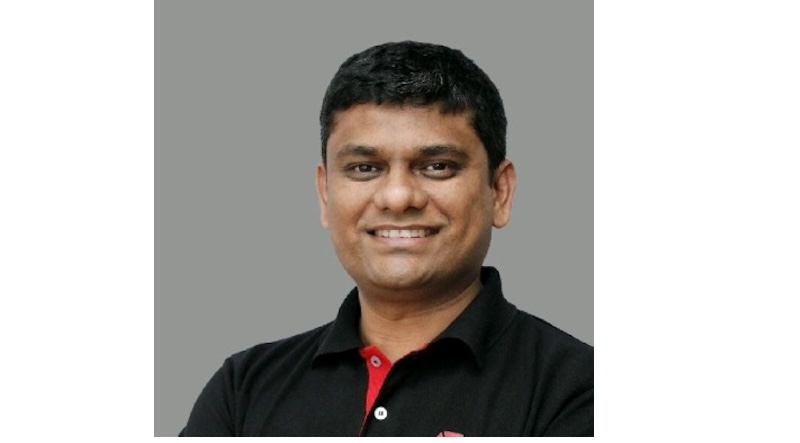
BENAGLURU: Carrefour has hired Saurabh Bansal as chief merchandising officer to spearhead the French retailer’s India launch, nabbing a veteran who just pulled off the rare feat of making Spencer’s Retail profitable for the first time in 22 quarters.
Bansal, who joined Carrefour in September after two years as executive director at Spencer’s, is tasked with building the hypermarket chain’s Indian operations from ground zero. His exit comes months after he steered Spencer’s to EBITDA profitability in the third quarter of fiscal 2024-25—a milestone the struggling retailer hadn’t touched since early 2019.
The 46-year-old has spent two decades hopscotching through India’s chaotic retail landscape, from Metro Cash and Carry to Walmart, with pit stops at Snapdeal and Lenskart. At Walmart, he juggled six mandates simultaneously, overseeing everything from staples and fresh produce to private labels and pricing strategy. His Snapdeal stint saw him lead the entire company’s profit-and-loss statement before the e-commerce firm’s fortunes nosedived.
Bansal cut his teeth at Spencer’s between 2006 and 2008, launching private labels and opening stores across India, before returning in 2023 to rescue the business. He also logged three years at Metro, where he opened two stores in north India and led the wholesale giant’s general merchandise expansion.
Carrefour’s India gambit comes as foreign retailers struggle to crack a market dominated by nimble local chains and deep-pocketed e-commerce giants. The French group exited India once before, selling its stake in a joint venture in 2014 after failing to make headway. This time round, it’s betting that Bansal’s track record of wringing profits from loss-making retailers will translate. History suggests otherwise, but hope springs eternal.

Brands
Godrej clarifies ‘GI’ identifier after logo similarity debate
Says GI is not a logo, will not replace Godrej signature across products.
MUMBAI: In a branding storm where shapes did the talking, Godrej is now spelling things out. Godrej Industries Group (GIG) has issued a clarification on its newly introduced ‘GI’ identifier, addressing questions around its purpose and design following a wave of online criticism. At the centre of the debate were two concerns: whether the new mark replaces the long-standing Godrej logo, and whether its geometric design mirrors other corporate identities.
The company has drawn a clear line. The Godrej signature logo, it said, remains unchanged and continues to be the sole logo across all consumer-facing products and services. The ‘GI’ mark, by contrast, is not a logo but a corporate group identifier intended for use alongside the Godrej signature or company name, and aimed at stakeholders such as investors, media and talent rather than consumers.
The need for such a distinction stems from the 2024 restructuring of the broader Godrej Group into two separate business entities. With both continuing to operate under the same Godrej name and signature, the identifier is positioned as a way to differentiate the Godrej Industries Group at a corporate level.
The rollout, however, triggered a broader conversation on design originality. Critics pointed to similarities between the GI mark’s geometric composition and logos used by companies globally, raising questions about distinctiveness.
Responding to this, GIG said its intellectual property and legal review found that such overlaps are common in minimalist, geometry-led design systems. Basic forms such as circles and rectangles appear across dozens of brand identities worldwide, the company noted.
It added that the identifier emerged from an extensive design process and was chosen for its simplicity, allowing it to sit alongside the Godrej signature without competing visually. While acknowledging that elemental shapes may appear less distinctive in isolation, the group emphasised that the mark is part of a broader identity system that includes a custom typeface, sonic branding and other proprietary elements.
Following legal and ethical assessments, the company said it found no impediment to using the identifier, reiterating that the GI mark is a corporate tool not a consumer-facing symbol.
In short, the logo isn’t changing but the conversation around it certainly has.