Brands
Britannia gets toasted over misleading ‘100% whole wheat’ bread claim
Consumer watchdog buttered up by empty promises slaps bakery giant with a penalty for half-baked marketing


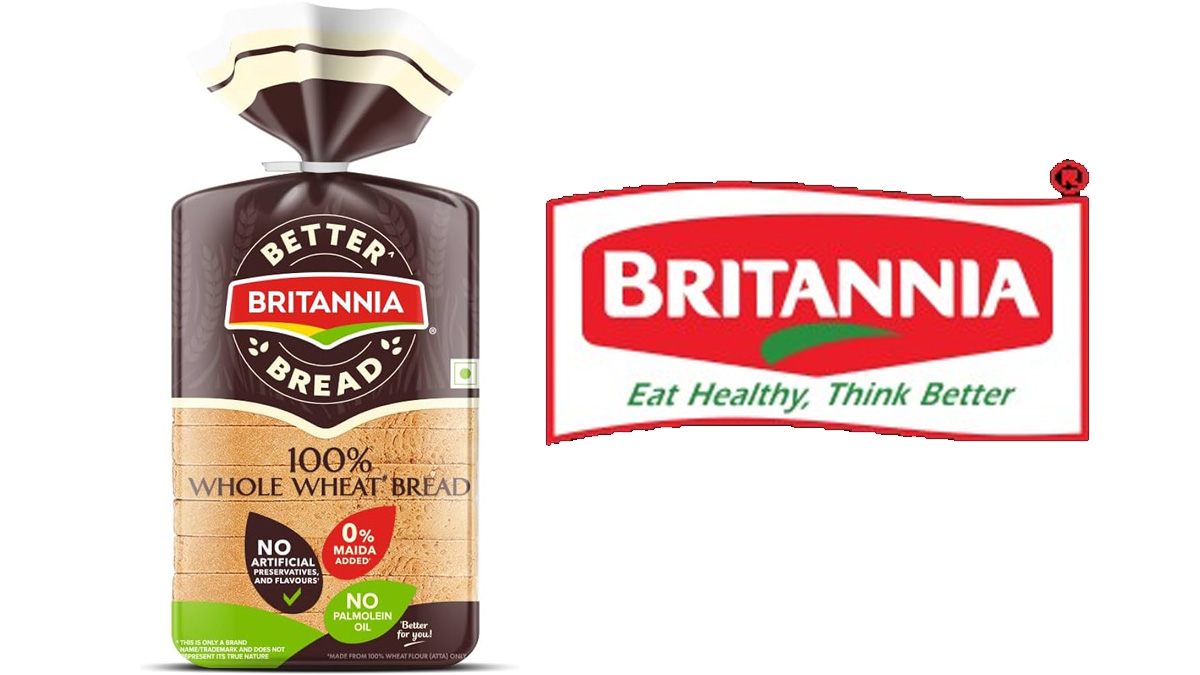
MUMBAI: Britannia Industries has found itself in a proper jam. The Central Consumer Protection Authority (CCPA) has ordered the bakery behemoth to pull its ads boasting “100% Whole Wheat Bread”, ruling that the claim is downright misleading when whole wheat flour makes up just 62 per cent of the loaf.
In an order passed on 22 October 2026, the watchdog rejected Britannia’s cheeky defence that “100%” applied only to the flour component rather than the whole loaf. The CCPA directed the company to pull the ads immediately across print, electronic and social media, pay a penalty and file a compliance report within 15 days.
The trouble brewed when regulators took a close look at Britannia’s packaging, website and social media campaigns. The breakdown showed that wheat flour (atta) comprised about 62 to 62.5 per cent of the finished loaf, with water, yeast, wheat bran and other permitted ingredients filling up the rest.
The CCPA pointed out that an average shopper buying a loaf tagged “100% Whole Wheat Bread” naturally expects the entire loaf to be whole wheat, not just two-thirds of it. Fine-print ingredient lists tucked away on the back do not fix the impression created by bold claims upfront.
Britannia tried to wriggle out by pointing to a tiny asterisk on the pack reading “Made From 100% Whole Wheat Flour. On Flour Basis”. But the regulator noted that the qualifier was printed in a microscopic font that barely anyone could read.
Britannia argued that its flour mix contained zero refined wheat flour (maida), making the “100%” claim technically accurate on a flour basis. The bakery added that its label was meant to signal the absence of maida and pointed out that an advisory by the Food Safety and Standards Authority of India (FSSAI) against using “100%” on food packaging was purely advisory, not mandatory.
The regulator was not buying it. The CCPA held that a manufacturer’s private logic cannot override plain common sense. It cited food labelling rules requiring at least 75 per cent whole wheat flour content just to use the tag “Whole Wheat Bread”, let alone a sweeping 100 per cent claim. Under Britannia’s logic, the regulator observed, a bread with just a pinch of atta could be marketed as 100 per cent whole wheat simply because it lacked maida.
The watchdog concluded that Britannia breached the Consumer Protection Act, 2019, covering misleading ads and unfair trade practices. It also took issue with Britannia pitching the product as pairing “perfectly well with a healthy diet” alongside comparisons to the humble Indian roti.
While the exact fine was not named in the order, statutory penalties under Section 21 of the Consumer Protection Act can hit up to Rs 10 lakh for a first offense and up to Rs 50 lakh for repeat slip-ups.
For a brand that built its fortune selling daily staples to millions of Indian homes, trying to sliced-and-diced consumer perception was a half-baked move that backfired.





