Brands
“Automation and AI enhance efficiency and innovation:” Ritesh Khandelwal


Mumbai: ZYOD stands out as one of premier choices for fashion manufacturing in India. As an innovative and technologically advanced clothing manufacturing company, they are dedicated to providing state-of-the-art solutions tailored to the unique needs of fashion brands. Their forward-thinking strategies and technology-enhanced operations ensure a seamless and efficient production process for all their clients.
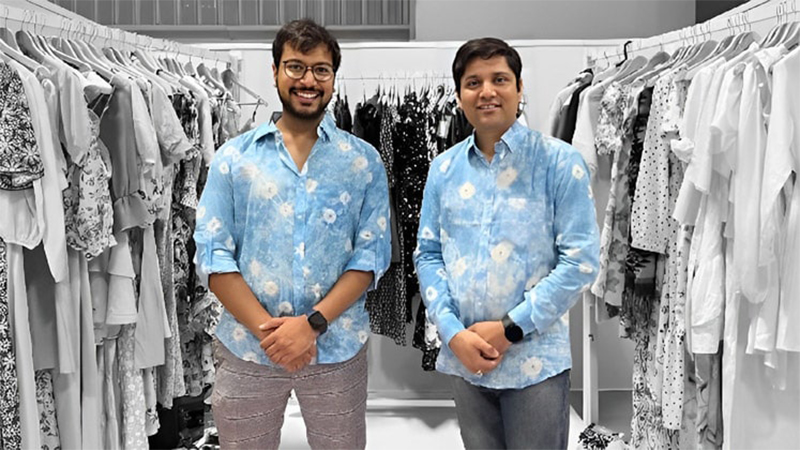
Ritesh Khandelwal is the co-founder of ZYOD, a rapidly growing tech enabled fashion manufacturing firm renowned for its comprehensive design-to-delivery services tailored to fashion brands. ZYOD offers an extensive portfolio of the latest styles and trends, catering to the dynamic structures of the fashion industry.
Khandelwal sees India as the next apparel manufacturing hub, aiming to boost global exports by leveraging advanced technology and innovations. By tapping into regional expertise and resources, he wants to revive the charm of natural Indian fabric, aligning with his commitment to environmental well-being and global collaboration. Under his leadership, ZYOD continues to innovate and make strides toward its goal of reshaping the fashion industry, both locally and globally.
Before taking on the leadership role in operations and finance at ZYOD, Ritesh has founded successful brands such as Yufta and Fashinza. He holds a computer science degree and is an alumnus of the Indian Institute of Management (IIM).
Indiantelevision.com reached out to Khandelwal, where he shared insights on their manufacturing approach, upcoming technologies and the overall landscape of the fashion manufacturing industry…
Edited excerpts
On ZYOD’s cluster manufacturing approach and its efficiency in exports and overall supply chain management
ZYOD’s cluster manufacturing approach centralizes production, streamlining operations and boosting efficiency. Our just-in-time production reduces waste and allows flexible ordering. A real-time ERP (Enterprise Resource Planning) system ensures transparency and precise tracking. This approach enhances efficiency and sustainability in our supply chain aiding brands to stay competitive in this fast-paced market. We are actively working to create manufacturing clusters in India that will have a transformative impact. This approach will not only bridge the gap between SMEs and manufacturers but also aims at creating a unique ecosystem offering features such as end-to-end services with the lowest MOQs(Minimum Order Quantities) to new-age brands and retailers.
On the key factors contributing to the success of fashion manufacturing startups in India
Sustainability is all about repurposing. To build a sustainable business, we focus on quality and truly understanding the challenges fashion brands face. This way, we create a unique experience curated for and tailored to the specific brand, developing a strategy that caters to their needs and concerns the best. Some of the key factors contributing to the success of fashion manufacturing startups like ZYOD, include:
1 Innovation and Agility: Using AI and real-time ERP systems.
2 Sustainability: Reducing waste and promoting ethical practices
3 Cost-Effectiveness: Leveraging India’s cost-effective production market.
4 Market Adaptability: Offering flexible Minimum Order Quantities (MOQs).
5 Strong Leadership: Visionary leaders driving growth.
On the initiatives you have undertook to create a unique ecosystem that benefits both new-age brands and retailers
At ZYOD, we’ve created a unique ecosystem for new-age brands and retailers by implementing several key initiatives. Our real-time ERP and zero-touch platforms enhance transparency and streamline operations from design to delivery. We prioritize sustainability by reducing waste and promoting eco-friendly practices. Offering flexible MOQs helps brands manage inventory and financial risks better. Our comprehensive support enables brands to focus on market strategy. By expanding globally, we enhance our market presence and foster international partnerships.
On the role you see automation and AI playing in the future of fashion manufacturing at ZYOD
Automation and AI enhance efficiency and innovation. AI improves trend prediction and inventory management, while automation streamlines production and reduces errors. These technologies enable customization and support sustainable practices by optimizing resources. AI-Powered Fashion Forecasting and Efficiency is something we are quite excited about. ZYOD employs advanced AI algorithms to analyze extensive datasets, enabling it to predict fashion trends, color combinations and prints with high accuracy and improve design and production standards.
On envisioning the future of this ecosystem, and impact you think it will have on the global apparel market
We envision a tech-driven, sustainable fashion manufacturing ecosystem that sets new standards in efficiency and customization. Expanding globally, we aim to position India as a leading fashion manufacturing hub, creating an agile and innovative industry. With partnerships across leading apparel brands, ZYOD aspires to be the definitive one-stop shop for everything fashion from designs to delivery, contributing significantly to India’s apparel manufacturing global market share. In the past year, the brand has partnered with a variety of leading apparel brands and labels like Reliance, FirstCry, Rare Rabbit, Anthropologie, NEXT, Boohoo, Landmark Group, Joop & Gypsy, Aminas Collection, Cactus Rose, Ancestory, Allen Cooper, TIGC, Libas, Coverstory, Muse and Payal Singhal among others. With the vision of taking ‘India to the globe’, ZYOD plans business expansion across 40+ countries. Collaborating with 500+ SMEs, ZYOD targets to unveil 100,000 styles monthly. Our journey is not just about expanding the Indian manufacturing landscape, but also about setting new standards and making fashion manufacturing more agile and innovative.