MAM
Amul, Parle amidst global brands liked by Indians

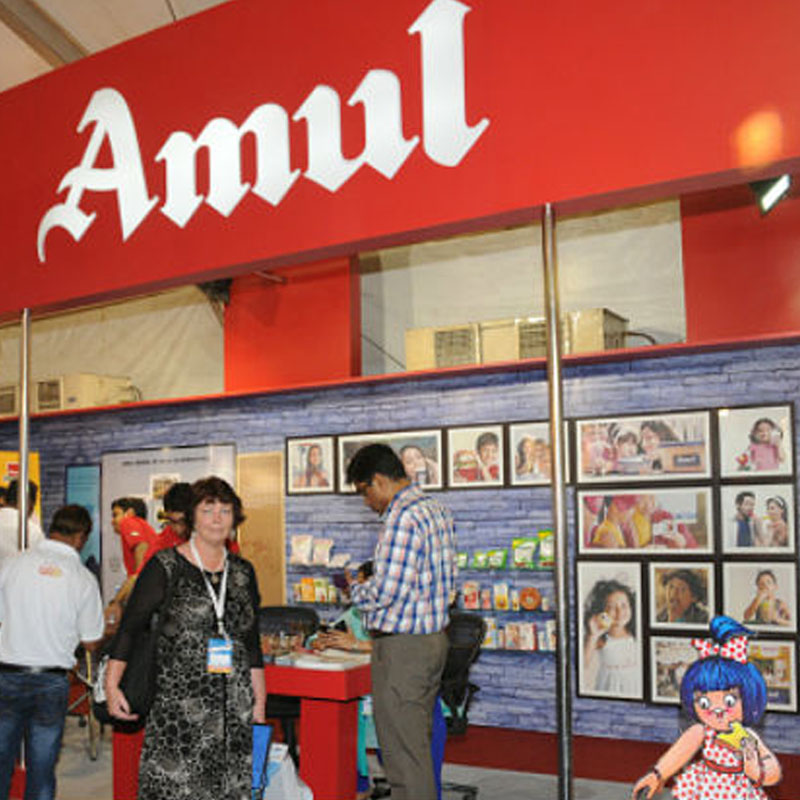
MUMBAI: Domestic brands such as Amul, Parle, Big Bazaar and Dabur are liked and revered by Indian consumers at par with international brands like Samsung and Coca-Cola, a Nikkei BP-Market Xcel Data Matrix survey has revealed.
The top 10 brands featured in the survey are a mix of technology, FMCG and retail brands.
According to the Brand Asia Survey 2017, Samsung has emerged as the most popular brand in terms of consumer brand relationship, followed by food and drinks brand Amul and mobile brand Nokia.

“Amul, the food and drinks brand, has scored second place this year beating Coca-Cola (rank 10) and Pepsi (rank 15),” Ashwani Arora, Senior VP Research, Director on Board, Market Xcel, told IANS.
“Nokia is one brand which is revered by Indians and has a high connect and past equity. The brand was once a household name in India. The relaunch of the brand in India has refurbished the emotional connect with consumers as is evident in the survey,” Arora said.
Samsung mobiles and fast-moving consumer goods (FMCG) company Parle ranked fourth and fifth in terms of the most popular brands in India.
“Parle — a brand from the pre independence era — goes on to prove the love people have for it still. It has ranked fifth this year and its win is solely dedicated to the wide variety of its biscuits which has satiated consumer palettes since ages,” said Arora.
“Hence, Indian brands are equally liked and revered by consumers,” he added.
The survey revealed that Future Group-owned retail business Big Bazaar was the only retail brand to mark a place in the top 10 popular brands at rank six.
According to Arora, the kirana shops are unable to provide the choice, ambience, service and discounts which Big Bazaar offers leading to its popularity among customers.
“The (Big Bazaar) brand has many firsts to its credit. The only national competitor to the brand being Reliance Retail,” he added.
The rest of the brands in the top ten category included toothpaste brand Colgate, messaging platform WhatsApp, FMCG brand Dabur and beverages company Coca-Cola.
A total of 200 brands were surveyed in 13 countries across Asia with a mix of national and international brands.
The categorisation of nominated brands was from FMCG, food and drinks, clothing/fashion, automaker, IT/home electronics, telecom, media/entertainment, finance, retail, restaurants (QSRs), sporting goods, transportation/logistic, aviation, finance and social media (internet).







India’s early education sector is growing fast, making preschool franchises a profitable business option for new entrepreneurs. However, success depends heavily on clear budgeting and realistic financial planning in the first year. From initial setup costs to monthly expenses and expected revenue, every detail matters.
This guide breaks down the year 1 costs and explains how long it typically takes to reach break-even and start generating consistent profit.
Initial Investment Breakdown
The initial investment includes the key costs required to set up the centre and prepare it for admissions. For anyone evaluating a preschool franchise in Chennai, this breakdown helps explain where the money goes at the start and supports better financial planning during the launch stage.
Franchise Fee
The franchise fee is usually the first fixed outlay. It may include onboarding, training support, and access to the operating model. This amount should be separated from the premises budget, since it does not usually cover fit-outs, hiring, or local compliance.
Infrastructure Setup
Infrastructure setup often takes a major share of the budget. Interior work, child-safe flooring, washroom changes, classroom partitions, storage, and entry security can all affect the final figure. Costs may also vary depending on whether the property needs basic modification or a full fit-out.
Furniture & Equipment
This includes classroom seating, storage units, play materials, learning aids, outdoor play items, office furniture, and basic technology. A realistic estimate should separate essential purchases from items that can be added later, so the first-year budget stays more controlled.
Monthly Operating Costs
Monthly operating costs are the regular expenses needed to keep the centre running smoothly after launch. While reviewing the overall playgroups franchise cost, these recurring payments are important because they directly affect cash flow and the time taken to reach stable returns.
Rent
Rent is usually the most predictable recurring cost, but it can create pressure if occupancy grows slowly. A Year 1 plan should include security deposits, possible rent increases, and the risk of low enrolment in the early months.
Staff Salaries
Teacher salaries, helper wages, and administration support form the core of monthly expenditure. Payroll planning should consider the minimum staffing needed to run safely and consistently.
Utilities & Maintenance
Electricity, water, internet, cleaning supplies, repairs, sanitisation, and routine upkeep can add up throughout the year. A play school for young children must also plan for regular wear and tear. A small maintenance buffer can help cover these repeated costs.
Revenue Potential in Year 1
Revenue in the first year depends on how the centre earns from admissions and how quickly enrolment improves. A clear view of fee planning and student strength helps in understanding how soon the business may move towards operating balance.
Fee Structure
Revenue depends on how fees are structured across admission charges, tuition, activity components, and other school-related collections. It is equally important to map when payments are received, since cash flow timing can influence working capital during the first year.
Student Capacity
Student capacity plays a central role in the profit timeline. A centre may open with room for more children than it can initially enrol, so profitability often depends on how quickly seats are filled. Fixed costs begin immediately, while revenue builds gradually, which is why some centres reach monthly break-even earlier than others.
Conclusion
A good year-1 budget for a play school franchise should balance setup expenses, monthly commitments, and the likely pace of admissions. The key issue is not only the opening spend, but how long the centre can operate before enrolment supports recurring costs. When each cost item is mapped clearly, the profit timeline becomes easier to assess, and financial decisions become more measured from the outset.








