MAM
Air India rejig: N Chandrasekaran brings in key Tata Group personnel


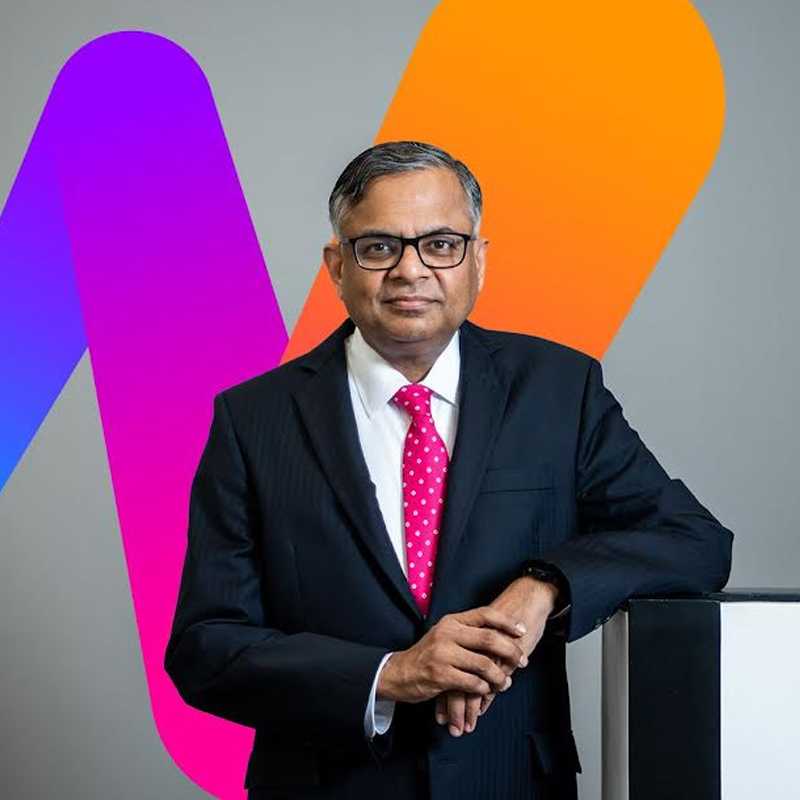
Mumbai: Tata Sons executive chairman and Air India chairman N Chandrasekaran on Saturday affected a major reshuffle in the top management of the recently-acquired airline in what is Air India’s first major senior management reshuffle since it was taken over by the conglomerate in January this year. Tata Sons senior vice president Nipun Aggarwal replaces Air India veteran Meenakshi Malik as chief commercial officer, while former Tata Steel VP- human resources Suresh Dutt Tripathi succeeds AI’s Amrita Sharan as chief human resources officer (CHRO).
Notably, the Tata Group is yet to appoint a chief executive officer of the airline.
The order was issued by Chandrasekaran, who is also the chairman of Tata Sons and comes on the back of the announcement of Tata Sons executive chairman N Chandrasekaran formally taking charge as chairman of Tata Digital earlier this week. He was reappointed as the chairman of Tata Sons for another five years in February this year.
Malik and Sharan were on Friday appointed as advisors to the CEO of Air India, according to a company communication to PTI. As the Tata Group is yet to appoint the CEO of Air India, the duo will currently be advisors to Chandrasekaran, it mentioned.
Satya Ramaswamy, who has worked at Tata Consultancy Services before, was on Friday appointed as chief digital and technology officer at Air India, the order stated.
Rajesh Dogra was appointed as the head of customer experience and ground handling at Air India, it mentioned.
Air India veteran RS Sandhu will continue to hold the charge of chief of operations at Air India, it noted.
Another Air India veteran Vinod Hejmadi will continue to hold the charge as chief financial officer, it mentioned.
“The new appointees will exercise the powers of functional/departmental heads as per the delegation of authority. We wish them all the very best in their new role,” Chandrasekaran stated in the order.
After a competitive bidding process, the government had in October last year sold Air India to Talace Pvt Ltd — a subsidiary of the Tata group’s holding company.