Digital
AI ads enter the chat as marketing turns conversational: 0101.Today
Brands test sponsored AI replies, reshaping digital influence

MUMBAI: As artificial intelligence platforms begin experimenting with advertisements and sponsored suggestions, marketing may be stepping into its most conversational era yet.
Gone are the days when digital advertising simply pushed polished creatives towards neatly segmented audiences. AI-led conversational marketing works differently. It listens first. Then it speaks. And crucially, it responds in real time to what a user is actually asking.
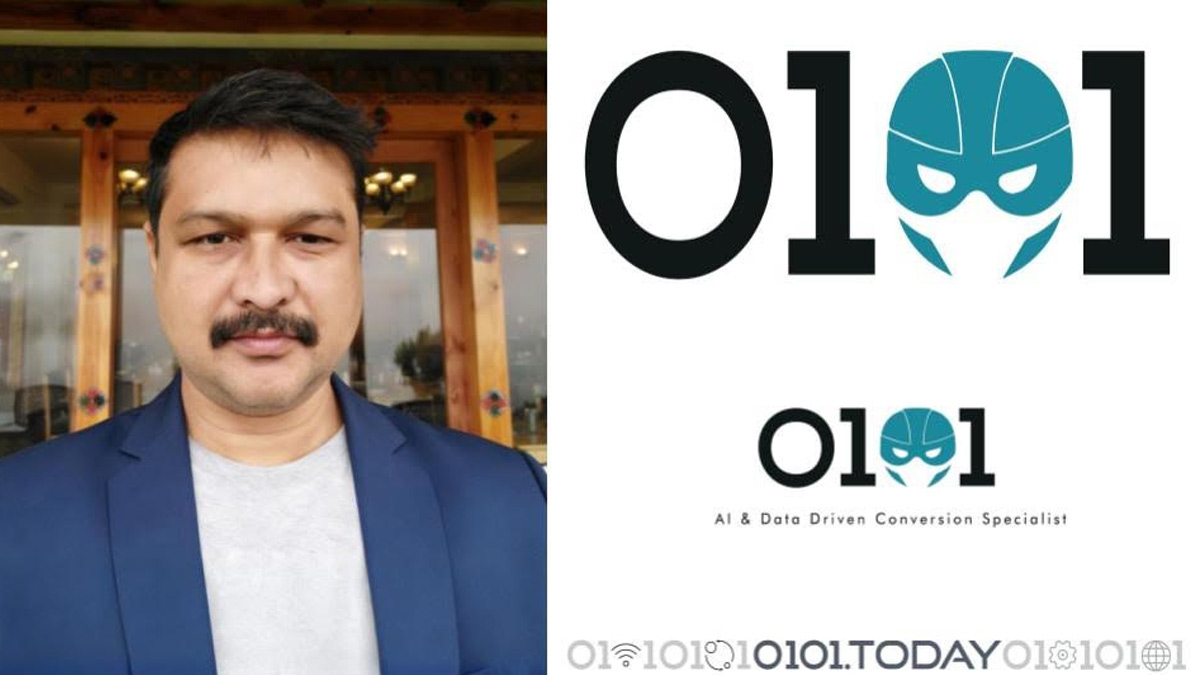
According to 0101.Today co-founder and managing partner Ajay Verma, the shift is not just technological but philosophical. “AI-led conversational marketing differs from traditional targeted advertising by shifting from message delivery to real-time dialogue,” Verma said. “Instead of pushing predefined creatives to segmented audiences, AI understands intent in the moment and responds contextually, helping consumers evaluate options rather than interrupting them. This makes influence feel assistive, not intrusive. It is truly data-led intelligent one-to-one marketing at play.”
He believes the next wave, driven by Agentic AI, will deepen this evolution. A handful of early movers, particularly in the BFSI sector, are already experimenting, though most brands still treat it as a pilot rather than a proven performance channel.
Yet the promise of AI-powered persuasion comes with a catch. Trust.
Verma cautions that consumers are quick to detect when helpful advice quietly morphs into a sales pitch. “Consumers increasingly perceive AI suggestions as advice when the interaction is transparent, relevant, and problem-solving. Trust is built when AI explains why a recommendation is made and aligns with user intent,” he said. “When responses feel biased or opaque, they are quickly classified as promotion and lose credibility.”
In other words, the chat box can charm, but it can also betray.
Some cosmetic brands are already seeing early traction by weaving product recommendations into helpful conversations. But Verma advises caution. “These are new tools and technologies, not magic wands where results appear immediately. Deploy this from an experimental budget rather than performance. Otherwise the medium risks suffering an early death.”
0101.Today positions itself as a data-driven conversion specialist, working across media, communication and technology to help brands align brand building, acquisition and retention with measurable business outcomes rather than siloed campaign metrics.
As advertising becomes more embedded within AI-generated dialogue, clear labelling may prove decisive. While marking responses as sponsored could temper short-term engagement, Verma argues it strengthens long-term brand equity.
“The internet is full of sponsored content. Brands that maintain a realistic balance will see long-term success,” he said.
In the age of AI, it seems influence is no longer about shouting the loudest. It is about speaking at the right moment, in the right tone, and making sure the listener knows who is talking.