
Digital
‘Absurd hypocrisy and hyperbole’: Musk hits back at Ambani’s Starlink critics
The SpaceX chief argues satellite internet would widen consumer choice as India nears a decision on pricing and licences


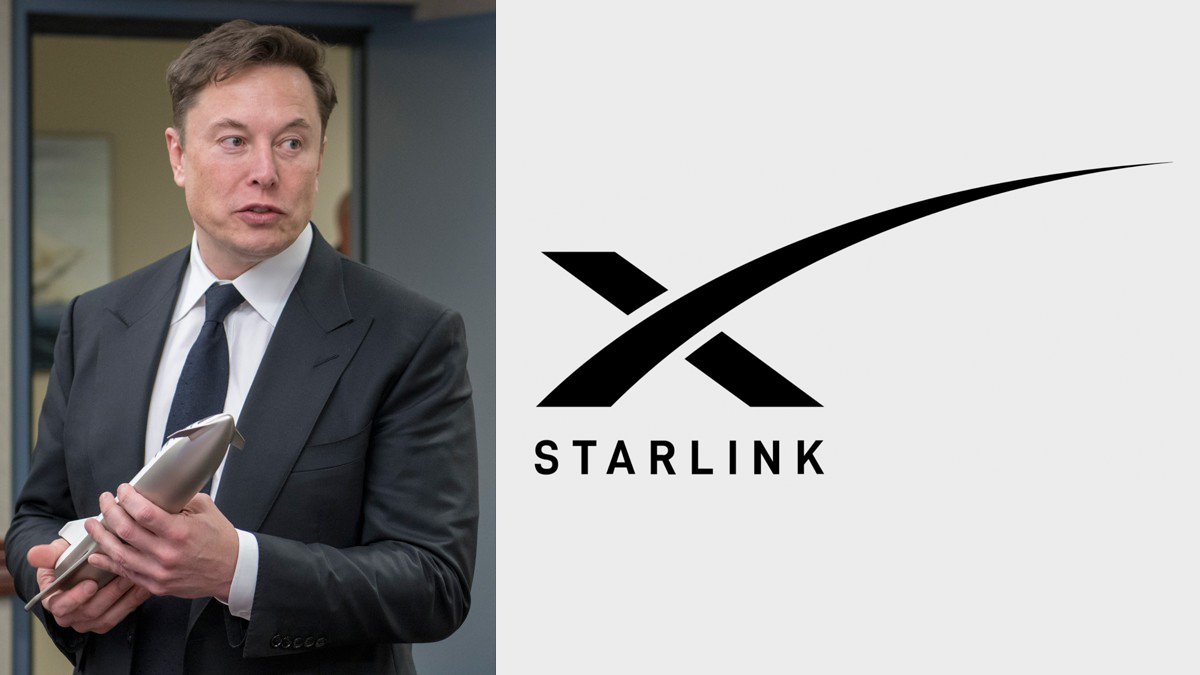
MUMBAI: The battle for India’s internet market is getting personal. Elon Musk has accused supporters of Mukesh Ambani’s telecom business of talking out of both sides of their mouths, arguing that Starlink’s entry would benefit consumers even if it trims the profits of established players.
In a post on X, the SpaceX chief dismissed arguments against Starlink’s entry into India as “absurd hypocrisy and hyperbole”, accusing those defending the existing market of being an “army of Internet shills”.
On one hand, Musk argued, critics claim Starlink cannot compete with the low prices offered by Ambani’s businesses. On the other, they suggest the satellite internet service could become too powerful a rival.
“The reality is that competition would greatly benefit the average citizen in India by giving them more choices, as it always does,” Musk wrote, adding that Ambani’s profits might fall but his business would not collapse.
Musk also acknowledged that Starlink would have to make its pricing affordable to win customers. If the service were too expensive, he argued, consumers simply would not buy it.
Musk’s latest intervention followed a post by Aaron Burnett, chief executive of Mach33 Financial Group, who questioned the widely held view that India’s internet services are both cheap and comprehensive.
Burnett argued that India’s reputation for affordable connectivity largely reflects mobile internet usage, while fixed broadband remains a less developed part of the market.
He estimated that monthly mobile data consumption in India stands at around 30-40 GB, compared with home fibre usage of roughly 300 GB. According to his post, this gap suggests that affordable mobile connectivity does not necessarily translate into widespread, high-capacity home internet access.
Burnett also argued that fixed-line customer penetration could rise substantially if consumers had access to a cost-effective alternative. He suggested penetration could increase from around 6 per cent to 10, 15 or even 20 per cent, potentially opening up a market of 100-200 million customers.
His argument provides a potential opening for Starlink, which uses satellites to deliver broadband connectivity, particularly in areas where conventional terrestrial networks are difficult or expensive to deploy. However, the figures cited in the post are estimates and do not establish how many Indian households would ultimately subscribe to the service.
The public sparring comes as India moves towards finalising the framework for commercial satellite communications services.
Union communications minister Jyotiraditya Scindia said on Friday that India would not permit a monopoly in the satellite communications sector, stressing that multiple operators had received licences.
“India does not allow a monopoly in any sector,” Scindia said, adding that Reliance Jio, OneWeb and Starlink had received licences, while Amazon was also interested in entering the market.
He clarified that licensing alone does not permit operators to begin commercial services. The government is working towards a final decision on the pricing framework for satellite communications, with the Telecom Regulatory Authority of India (TRAI) and the Department of Telecommunications (DoT) involved in discussions.
Security compliance remains another key condition. Scindia said each operator would have to meet the relevant requirements individually before commencing commercial operations.
The framework will determine how satellite spectrum is assigned, the charges applicable to operators and the conditions they must satisfy before launching services.
Musk has previously accused powerful business interests of obstructing Starlink’s entry into India, saying the company had spent five years complying with Indian requirements.
In another pointed post, he sarcastically addressed the Indian prime minister as “Prime Minister Ambani”, alleging that the industrialist was being allowed to preserve a monopolistic position. He argued that Starlink could connect underserved communities, help children access education and enable small businesses to reach global markets.
He also highlighted the service’s role in restoring communications during natural disasters when conventional networks fail.
India’s Ministry of Communications has rejected claims that Starlink is being singled out, saying the three licensed operators are at broadly similar stages of the regulatory process, with security assessments under way.
The dispute now centres on whether satellite broadband can find a commercially viable place in a market where mobile data is already relatively inexpensive, while extending reliable connectivity to areas that terrestrial networks struggle to reach.
For Musk, the pitch is simple: more competition should mean more choice. Whether Starlink can turn that promise into an affordable service for Indian consumers will depend on the final rules, its pricing and how many customers are willing to look beyond their mobile connections.






