MAM
Abhijit Avasthi bids adieu to Ogilvy

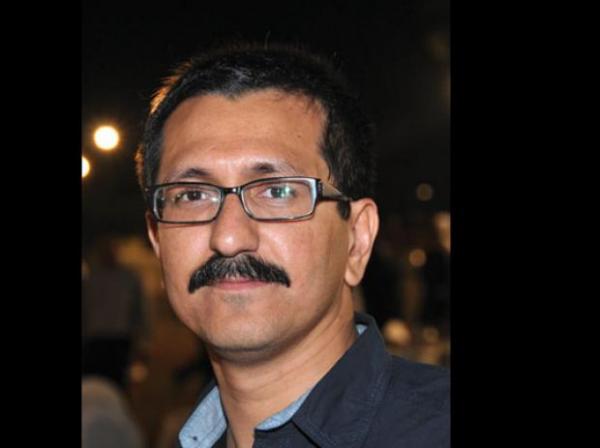
MUMBAI: The national creative director of Ogilvy, Abhijit Avasthi, has decided to move on from the agency after almost 15 years.
Known as one of the gems of Piyush Pandey, Avasthi has been instrumental in some of the memorable ad campaigns for brands like Coca Cola, Cadbury, Fevicol etc.

“Advertising has taught and exposed me a lot of things. Taking these learnings, I want to move on to do something which I love over and above advertising,” says Avasthi and adds, “It would have been unfair on both me and Ogilvy if I cannot give my 100 per cent to what I love doing.”
“Both Piyush and Rajiv (Rao) have been aware of my intentions for a while now and have been very supportive about it,” he says while adding that his exit was planned well so that things don’t fall out of place at the agency.
With an engineering background, Avasthi started his advertising career in 1997 at Enterprise Nexus as a trainee writer. After working there for two years, he went on to join Ogilvy as creative supervisor. In 2002, he was then made creative director and in 2005 was elevated as group creative director.
“I’m taking a break to figure out what should be my next move,” he informs.
A memo regarding his exit was sent out on 28 October 2014 to the employees. “He is currently serving his notice period and will be associated with the agency till end of November,” says a source within the company.
The memo reads:
After a stunning performance as National Creative Director Ogilvy India, Kinu has opted for a creative twist in his professional story. He has chosen to go independent and would also be pursuing some of his other interests. Consequently, he will give up his responsibilities as N.C.D. as of 30 November 2014. However, Ogilvy India is the first to associate with Kinu in his new endeavour and he will be our Creative Consultant on a few key projects. Kinu will also partner Rajiv and me in developing and implementing a robust on-going creative training programme for Ogilvy India.
Kinu’s contribution to our creative reputation, first as a senior creative team member and then as N.C.D. with Rajiv Rao, has resulted in the new age creative revolution at Ogilvy. He has helped build great brands, client relationships and a super strong creative culture in our organisation. His reputation extends beyond India and he is respected as one of India’s most talented creative professionals.
Rajiv Rao will take full charge of the National Creative responsibilities and will discuss the creative responsibilities of current creative leaders over the next few weeks.
Meanwhile, we salute Kinu for his immense contributions and wish him the very best in his next inning.







MAM
Beacon Group appoints Dr Rajesh Patel as Group CEO
36-year healthcare veteran to lead Beacon Diagnostics, Vector Biotek, Biogeny.
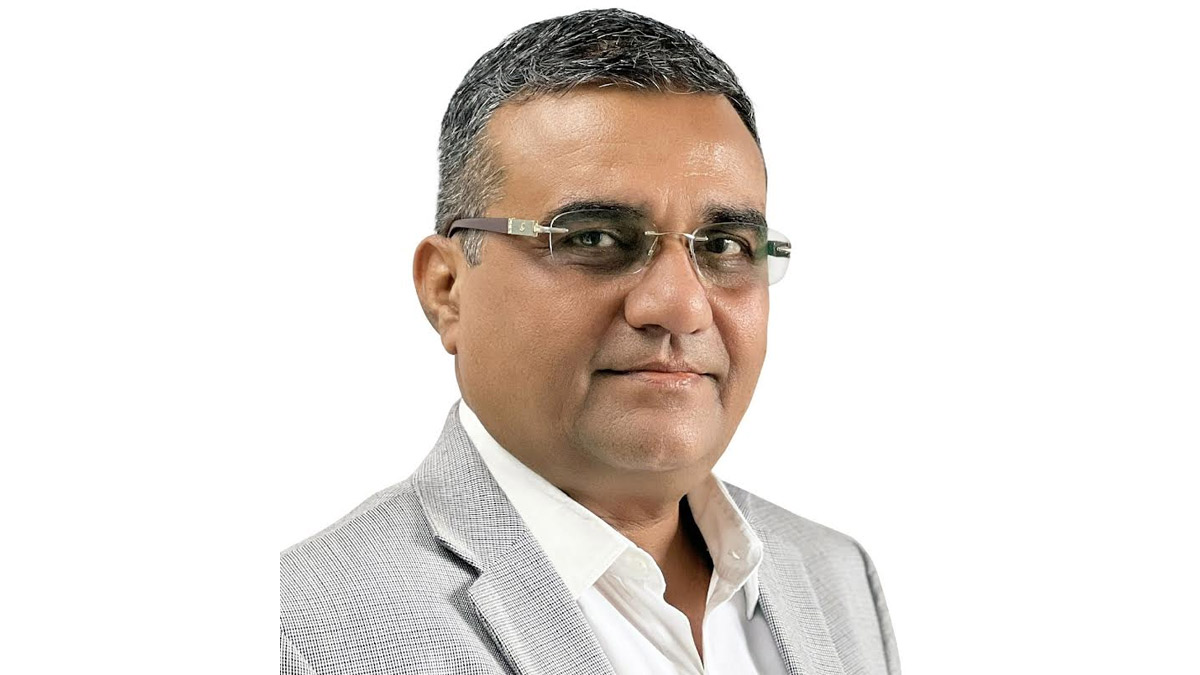
MUMBAI: A new chief, a fresh diagnosis and a sharper prescription for growth. Beacon Group has appointed Dr Rajesh Patel as its Group Chief Executive Officer, effective April 1, 2026, signalling a decisive push to scale its presence in the diagnostics and IVD space. Patel steps into the role with 36 years of experience across the healthcare and diagnostics industry, bringing a career shaped by leadership roles spanning sales, marketing, business development and operational strategy. His mandate is both expansive and precise: to steer the group’s overall strategic direction while tightening coordination across its three core entities Beacon Diagnostics, Vector Biotek and Biogeny Diagnostics.
In practical terms, that means driving cross-company synergies, accelerating market expansion and strengthening organisational capability areas increasingly critical as diagnostic players compete for scale in a fragmented yet rapidly evolving healthcare ecosystem. The group is positioning itself to capture unmet demand across chain laboratories, key accounts and standalone labs, segments that remain underserved despite growing diagnostic needs.
The appointment comes at a time when the In Vitro Diagnostics (IVD) sector in India is entering a more competitive and innovation-led phase, with companies focusing not just on product pipelines but also on service delivery, integration and customer-centric models. Beacon’s leadership appears to be betting that Patel’s execution-focused approach can help translate ambition into operational momentum.
Welcoming the appointment, Chairman Dr D K Joshi described Patel’s induction as a strategic move aligned with the group’s long-term vision, emphasising the role of leadership depth in navigating the next phase of growth.
For Beacon Group, the message is clear, in a sector where precision matters, leadership is the new differentiator—and this appointment is intended to set the tone for what comes next.






