MAM
71 per cent of Indian marketers’ budgets to increase in 2022: DCMN Growth Guide

Mumbai: At least 66 per cent of global marketers expect their budgets to increase next year, with this figure rising to 71 per cent for Indian marketers alone, showed a new analysis published by DCMN, the growth marketing partner for digital brands.
The ‘Growth Guide’ released on Thursday looks at marketers’ goals, strategies and challenges going into 2022, and points to a new period of growth for the industry.
While, in India, 71 per cent of Indian marketers surveyed expect an increase in their budgets in 2022, it was 75 per cent in France and 68 per cent in the US. It’s good news for marketing and advertising agencies with the vast majority of Indian respondents – 93 per cent – planning to increase their spending on agencies in the next 12 months.

Aside from spending on agencies, budgets will go towards experimenting with new formats and advertising channels. Outside of digital advertising, the three channels Indian marketers plan to focus on and invest in the most are mobile advertising, podcasts and linear TV.
The research also shows that 62 per cent of Indian marketers are more focused on long-term branding efforts, versus 33 per cent for performance-oriented goals. This is remarkably in-line with global figures, at 65 per cent versus 31 per cent.
The new year also comes with its own challenges. As advertising campaigns grow ever more complex, marketers in India are most concerned about managing and reconciling large amounts of data across channels. Keeping up with privacy regulations comes in second place, as policies targeting iOS and the future of cookies are set to dramatically reshape the marketing world.
The research conducted by Censuswide on behalf of DCMN surveyed 600 in-house marketers in the US, the UK, France, the Netherlands, Germany and India. The results offer an understanding of how the marketing landscape has changed after a tumultuous few years and how optimistic brands are heading into 2022.
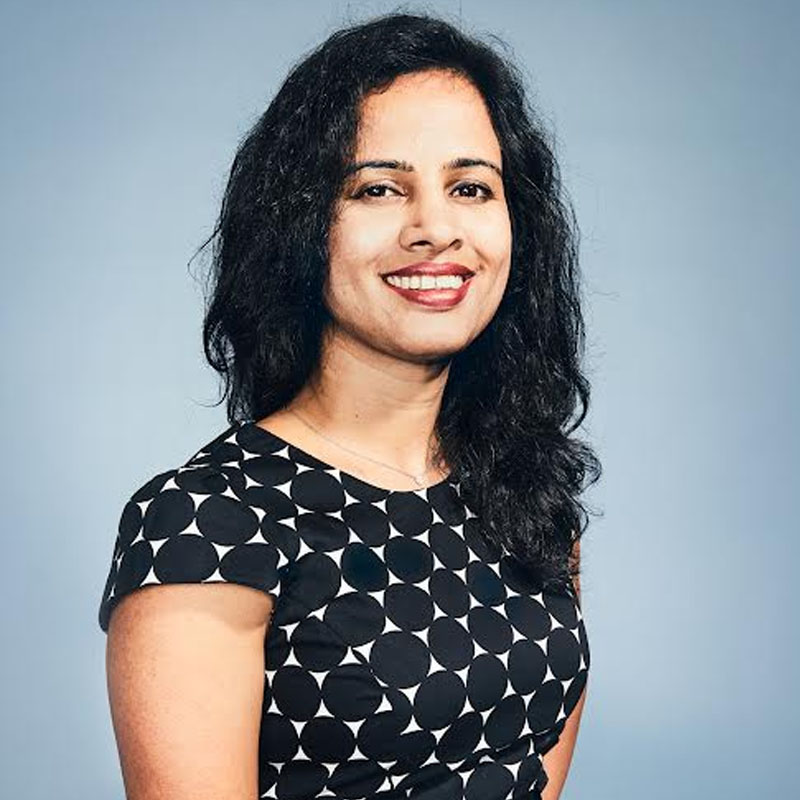
“At DCMN, we wanted to take a closer look at where the marketing industry stands right now, and the impact of a disrupted 2020 and 2021. The results are impressive, and point to a marketing rebound in the coming year – both in India and in other countries around the world. Overall, we’re seeing that branding efforts remain top of mind for marketers. It’s also clear that brands still have huge faith in linear TV, with mobile advertising and TV set to be some of the most popular channels for marketers to invest in next year,” said DCMN country head – India Bindu Balakrishnan.






MAM
Lego brings Messi, Ronaldo, Mbappé, Vinicius together
Campaign clocks 314 million views ahead of FIFA World Cup 2026 buzz.
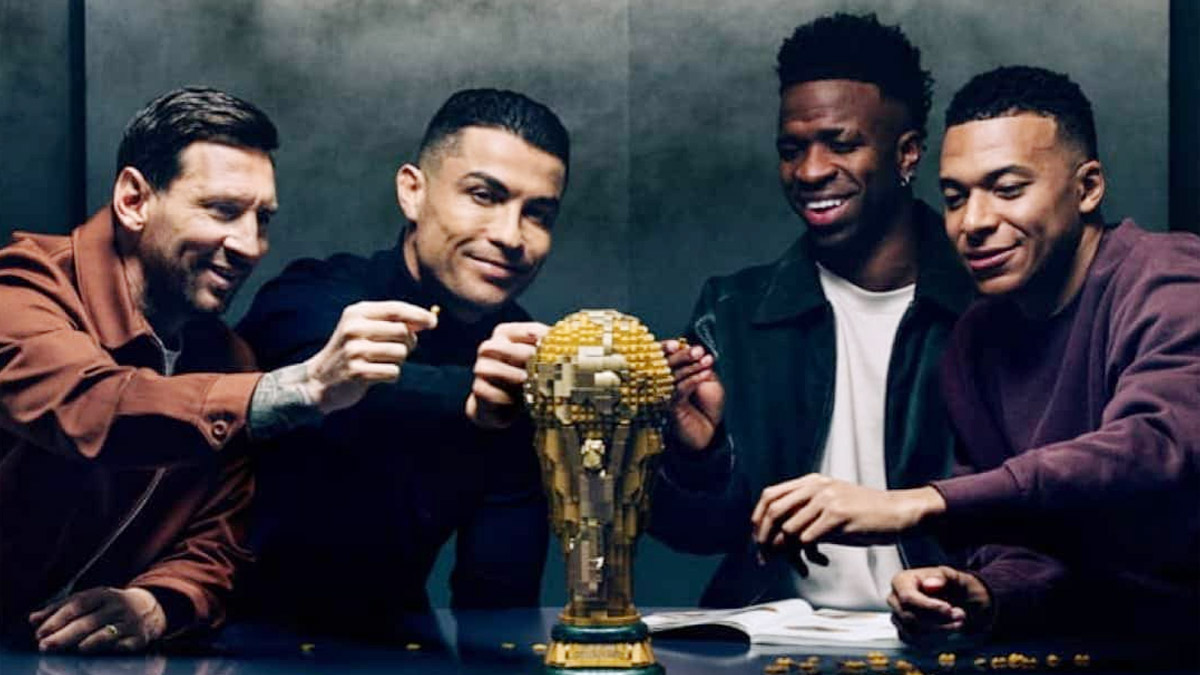
MUMBAI: Four legends, one frame and not a single tackle in sight. Lego has pulled off a crossover few thought possible, uniting Lionel Messi, Cristiano Ronaldo, Kylian Mbappé and Vinícius Júnior in a single campaign ahead of the FIFA World Cup 2026 only this time, they’re building dreams brick by brick.
Titled “Everyone wants a piece”, the campaign features the quartet assembling a Lego version of the World Cup trophy, before placing miniature versions of themselves atop it, a playful nod to football’s ultimate prize. Shared widely across social media, the ad carries a pointed disclaimer: it is not AI-generated, a subtle but telling signal in an era where even reality is often questioned.
The numbers tell their own story. The campaign has already crossed 314 million views on Instagram across the players’ accounts, with fans hailing it as a rare, almost nostalgic moment particularly for the reunion of Messi and Ronaldo, whose last shared campaign ahead of the 2022 World Cup became one of the platform’s most-liked posts.
Beyond the film, Lego is extending the play with exclusive, player-themed sets tied to each of the four stars, part of a broader football-led programme designed to ride the global momentum building towards 2026. The idea, as echoed by the players themselves, leans into the parallels between football and play experimentation, creativity, failure, and triumph.
Messi described the sets as a way to bring on-pitch moments into an imaginative, hands-on world, while Ronaldo called the transformation into a Lego figure a rare honour, blending sport with storytelling. Vinícius, meanwhile, struck a more personal note, recalling childhood moments of building with Lego and framing creativity as a universal language that transcends borders.
The timing is no accident. With the 2026 World Cup set to run from June 11 to July 19 across the United States, Canada and Mexico, and featuring an expanded 48-team format, global anticipation is already building. Argentina, led by Messi, will enter as defending champions, adding another layer of intrigue.
For Lego, the campaign does more than celebrate football, it taps into its mythology. Because when icons become figurines and rivalries turn into play, the beautiful game finds a new kind of pitch. one built, quite literally, by hand.






