MAM
63% surveyed more likely to buy from brands that made inclusive efforts: Wunderman Thompson global report

Mumbai: Wunderman Thompson launches ‘Inclusion’s Next Wave,’ a global trends report outlining the driving forces behind the next wave of inclusion. The report reveals the powerful role brands can play by putting inclusion at the heart of their business, in storytelling, design, and in the workplace, creating authenticity and reflecting life as it is lived. Through extensive research, Wunderman Thompson Intelligence has identified key trends in inclusion that are on the rise and 10 actions authentically inclusive brands and businesses can take from the office to the Metaverse to show up for their audiences.
82 per cent of the study’s respondents feel that actions on inclusion and equality should be integrated throughout the entire business, with 63 per cent more likely to buy from brands that made more effort to represent people like them. Customers will reward brands that deliver on inclusion, with 66 per cent of people agreeing that they are more inclined to buy from companies who speak out on issues of equality and inclusion, and 60 per cent of people agreeing that brands who do not deliver on inclusion will become irrelevant.
Wunderman Thompson also studied representation in media such as TV and film. Of the groups that feel most underrepresented, 46 per cent of neurodiverse respondents say there aren’t enough characters depicted on screen that share their traits, followed by 45 per cent of disabled people; 42 per cent of people with mental health issues; 35 per cent of LGBTQ+ and 35 per cent of people aged 60 and over; and 32 per cent of underrepresented racial groups.
The study also brings to light issues that are rising in a rapidly changing era, such as how brands must now pivot to ensure that they are building safe, accessible, inclusive, and democratic digital spaces (82 per cent of those who have heard of the metaverse believe that companies should make special efforts to ensure digital worlds are accessible to everyone). On the other hand, 83 per cent agree that brands should not use digital spaces as an excuse to avoid providing accessible spaces in the real world.
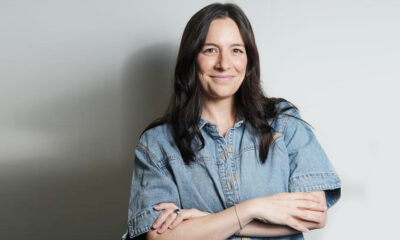
Wunderman Thompson Intelligence global director, ‘Inclusion’s Next Wave’ editor-in-chief Marie Stafford said, “Businesses and brands will not hit the mark if they don’t hire, collaborate with, and support marginalised groups. Recent events have intensified existing inequalities, and the global conversation is gaining momentum, but this new research shows just how much consumers want to see more inclusive actions from brands. They have a powerful role to play in building a truly inclusive world, and those who take this into consideration can deliver authenticity and better reflect the real world, and in turn, reap the rewards of doing so.”
Key trends in inclusion that are on the rise:
• Intersectional storytelling: Diversity both on-screen and behind the camera is shaping a new era of inclusive storytelling.
• Inclusivepreneurs: Entrepreneurs from underserved communities are innovating for themselves
• Mass inclusive design: Accessible products and services are hitting the mainstream as brands target mass distribution.
• Meta-inclusion: As we build new virtual worlds, brands have an unprecedented opportunity to build in inclusion, accessibility, and equity from the start.
• Revolutionary rest: Exhausted from constantly fighting their corner, marginalised communities are giving themselves permission to focus on rest.
Wunderman Thompson global head inclusive design Josh Loebner commented, “Driven by a range of external factors, the next wave of inclusion is upon us. But the journey is just beginning, and there is a huge opportunity for brands to deliver better products, spaces, and experiences by putting inclusion at the heart of their business to ensure they stay relevant and capture both consumer attention and spending power.”
Vignettes of companies breaking inclusion barriers appear throughout the study, from a lingerie brand that democratised desire among the disabled community and people over 50, movements shining a light on men’s mental health, and stories of digital sanctuaries for segments of inclusive communities to be themselves. It outlines rising trends in inclusion, how inclusion affects product development, workplace dynamics and the bottom line, and includes first person accounts of challenges and benefits from people with full spectrums of identities from around the world.