MAM
60% mobile gamers retain brand recall from in-app ads: Report

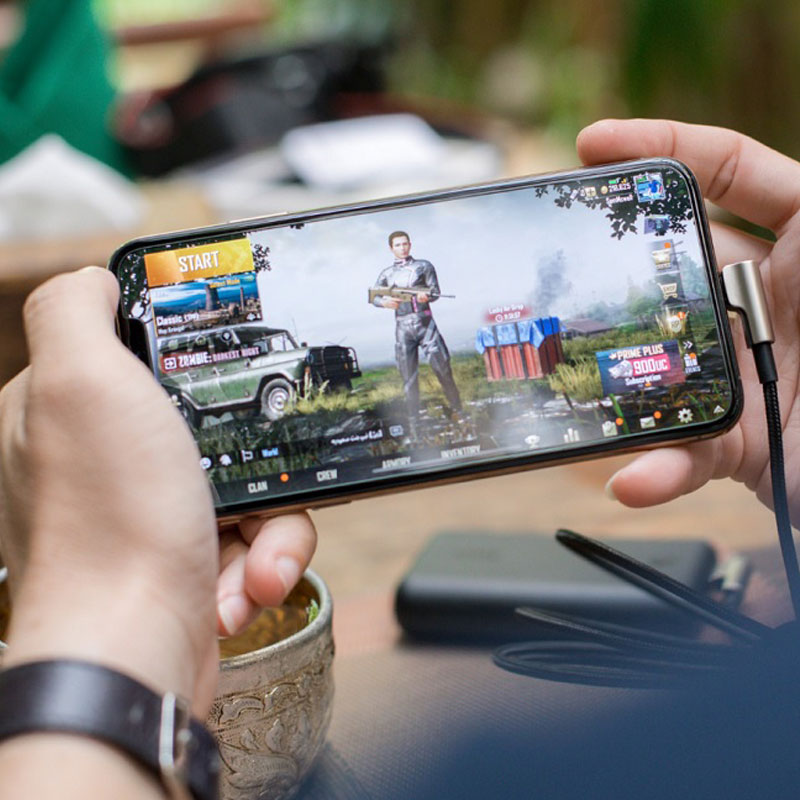
NEW DELHI: When it comes to entertainment, Indians are hooked to their mobile phones and unlikely to let go any time soon. In fact, mobile gaming, which registered an unprecedented uptake during the lockdown period, still holds substantial sway a year after the pandemic. According to a report by mobile advertising firm InMobi, gaming platforms witnessed a 1.5X increase in unique user count from February (pre-lockdown) to December (post lockdown) in 2020.
Titled "Everyone's Gaming Among Us – Mobile Gaming through the Pandemic and Beyond', the report revealed that 45 per cent of Indians have started playing games on their smartphones. Majority of Indians are committed gamers who play at least once or more every day. The report also highlighted that women constitute 43 per cent of the mobile gaming audience, of which 12 per cent belong to the age group of 25-44, and 28 per cent are above 45 years.
“Mobile gaming accelerated due to the lockdown in India as people continued to shelter at place and work from home. What was seemingly an emerging trend is now a lasting behaviour… With over 80 per cent of mobile gamers playing every day, it has evolved to become an integral part of the connected consumer’s life,” said InMobi Asia Pacific MD Vasuta Agarwal.
It wouldn’t be wrong to say that gaming has become a habit – Indians play mobile games in multiple short spurts during the day. InMobi reported that time spent on gaming apps surged through the day as people played a lot more, often starting as early as 7:30 am till 11:30 pm. The sharpest surge in the use of gaming apps occurred at 11:30 am, with a 6.6X increase in gameplay.
Close to 40 per cent of the respondents who participated in the survey indicated that they usually play in 10-minute sessions – in between meetings, chores, meals. Among women gamers, 32 per cent play in 10-minute sessions while 23 per cent tend to engage for over an hour every day.
Experimentation is also on the rise, with 40 per cent of those surveyed saying they had more than three games on the phone at any given time and over half downloading a new game every week.
Data also showed that 74 per cent of the gamers prefer to watch gaming advertisements over in-app purchases in order to move to the next stage in the game. They also boast of a high ad recall, with 60 per cent being able to recall an ad seen in or during a game. However, the report stated that most marketers seem to be hesitant when it comes to investing in the gaming space, due to misplaced notions on the lack of personas, placements, engagement, and brand safety.
"Gaming is one of the most scalable channels for brands to reach diverse target audiences. Be it women, millennials, sports enthusiasts, or OTT viewers, everybody is gaming among us. Moreover, mobile gamers are receptive to advertising with three in four consumers preferring to see an ad. Gaming is the biggest opportunity for brands to maximise impact with video and other engaging formats in 2021,” asserted Agarwal.
The InMobi report is based on the app usage patterns and trends that were analysed on the basis of 1.7 trillion ad requests between January 2020 and January 2021 on the InMobi Marketing Cloud and Audience Intelligence Platform, and a survey conducted among over 1,000 smartphone users from across India using InMobi Pulse.