iWorld
WhatsApp denies popular usernames can be reserved before rollout
Meta says public figure names are protected as India reviews new feature


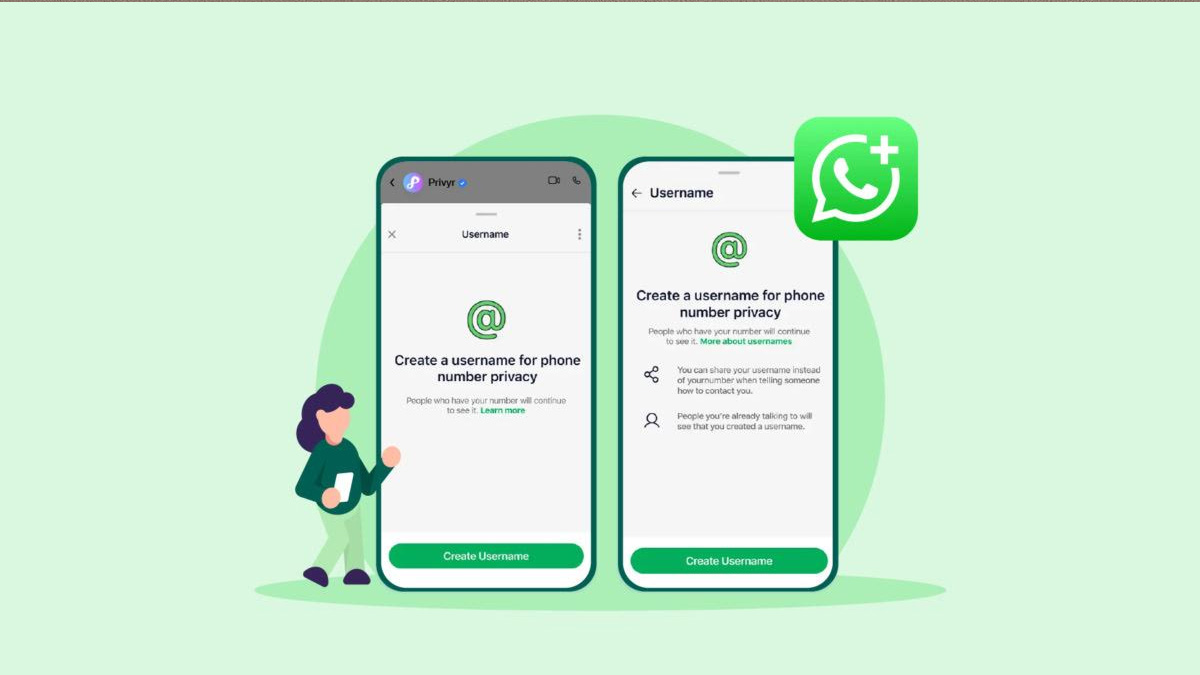
MUMBAI: What’s in a name? On WhatsApp, quite a lot and not everyone can claim one. WhatsApp has pushed back against claims that users are snapping up high-profile usernames ahead of the rollout of its new username feature, insisting that names linked to public figures can only be reserved by their legitimate owners.
The clarification comes as the Meta-owned messaging platform faces increased scrutiny from the Indian government over the privacy-focused feature, with authorities examining whether usernames could inadvertently fuel impersonation, fraud and cybercrime. In a detailed set of Frequently Asked Questions (FAQs), WhatsApp dismissed speculation that well-known usernames were already being claimed by users.
“People are making false claims about reserving popular or well-known usernames, this isn’t true. Only the legitimate account owners are able to reserve well-known public-figure names,” the company said.
The statement follows the Centre’s directive asking Meta not to roll out the feature in India until consultations with the government are completed. Officials have raised concerns that usernames could make it easier for fraudsters to impersonate individuals and carry out phishing scams, financial fraud and so-called digital arrest schemes.
The government has also sought a detailed explanation of the safeguards built into the feature, reminding Meta of its obligations as a significant social media intermediary under the Information Technology Act and related regulations.
Attempting to allay concerns, WhatsApp said usernames will remain optional and will not be searchable by strangers. The company added that usernames associated with public figures, celebrities, government entities and Meta-verified accounts have been reserved, ensuring they can only be claimed by their rightful owners.
WhatsApp also said users who link their Instagram or Facebook accounts may be able to secure matching usernames, providing an additional layer of ownership verification. The platform added that it will use reporting systems and account-blocking signals to identify and act against impersonation and scam attempts.
The debate intensified after several prominent personalities reported that variations of their names appeared unavailable during the reservation process. According to media reports, former Delhi Deputy Chief Minister Manish Sisodia and MobiKwik co-founder Bipin Preet Singh publicly questioned the process after finding that multiple versions of their names had already been taken.
As India weighs the privacy benefits against potential security risks, WhatsApp’s username feature remains on hold in the country, with its eventual rollout likely to depend on the outcome of discussions between Meta and the government.