
iWorld
Study finds 57 per cent of Indians feel lonely despite happy relationships
IPSOS-Gleeden survey finds emotional connection tops unmet need despite 92 per cent relationship happiness


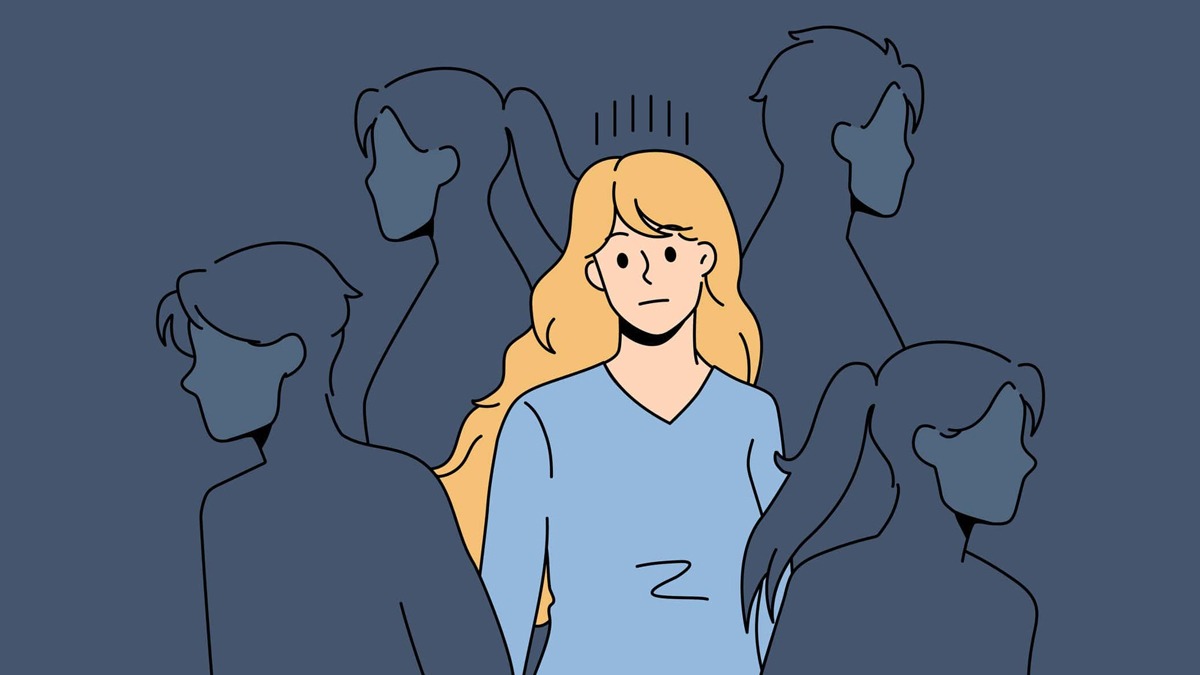
MUMBAI: Love may still be in the air, but for many Indians, emotional connection seems to have missed the flight. A new nationwide study has uncovered a striking contradiction in modern relationships, while most people say they are happy with their partners, a large number also admit to feeling lonely.
According to an IPSOS study commissioned by Gleeden, 92 per cent of Indians describe themselves as happy in their current relationships. Yet 57 per cent say they experience loneliness, suggesting that companionship and emotional fulfilment are no longer going hand in hand.
The survey, conducted among 1,510 respondents across India’s major cities, paints a picture of relationships that appear stable on the surface but often lack the emotional depth many people crave.
The emotional gap becomes even clearer when looking beyond overall satisfaction. While 84 per cent of respondents say they are sexually satisfied, only 25 per cent believe nothing is missing from their relationship. Instead, 51 per cent identify emotional connection as the biggest missing element, followed by better communication (44 per cent), excitement and thrill (42 per cent) and physical intimacy (38 per cent).
The findings suggest that today’s relationships are increasingly being judged not just by commitment, but by how emotionally present partners are for each other.
Trust and transparency remain the strongest foundations of a healthy relationship, cited by 39 per cent of respondents, followed by emotional connection (35 per cent). Monogamy continues to be the preferred relationship model across generations, but the study indicates that loyalty alone is no longer enough to sustain long-term fulfilment.
Modern lifestyles are also taking a toll on relationships. Work-life imbalance and lack of quality time emerged as the biggest challenge for 33 per cent of respondents, while 29 per cent blamed unrealistic expectations fuelled by films and social media. Another 14 per cent admitted to experiencing emotional disconnect with their partner, highlighting how constant digital connectivity is not necessarily translating into meaningful conversations.
Perhaps the survey’s most revealing insight is that emotional dissatisfaction often sparks curiosity beyond existing relationships. Nearly 46 per cent of respondents said they frequently think about exploring connections outside their relationship, with that figure rising to 54 per cent among Gen X respondents.
Perceptions of infidelity are evolving as well. Half of those surveyed believe emotional cheating hurts more than physical infidelity, underscoring the growing value placed on emotional exclusivity. At the same time, 64 per cent admitted to being emotionally or physically unfaithful at some point, although the study notes that overall infidelity has declined by 16 per cent compared with 2023.
Despite this, forgiveness still finds room in many relationships. Around 62 per cent said they would forgive a partner’s infidelity if it was a one-time mistake accompanied by genuine remorse, while 45 per cent felt an affair could sometimes reignite passion in a struggling relationship. Even so, 47 per cent continue to view infidelity as a dealbreaker.
The findings point to an evolving definition of relationship success in India, one where staying together is no longer the only benchmark. Increasingly, couples appear to be seeking something harder to measure but far more valuable: feeling genuinely seen, heard and emotionally understood.






