iWorld
Streaming vs Gaming: 2026 Attention Economy
In 2026, streaming and online gaming battle for audience attention. Explore competition, engagement tactics, and evolving player habits.


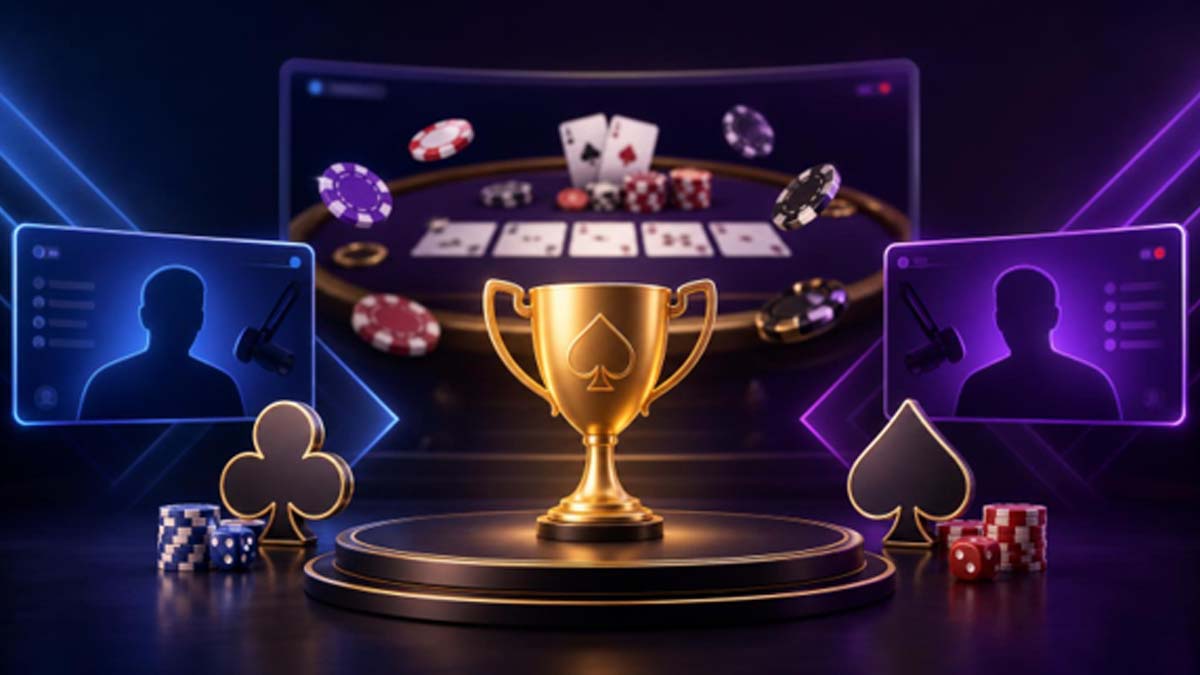
How Streaming and Online Gaming Compete for Audience Attention
India’s entertainment industry has become a fierce battlefield for eyeballs. Streaming platforms, television networks, and digital gaming operators all chase the same finite resource: consumer attention. The competition has intensified as mobile penetration deepens and data costs stay low. Players now expect seamless experiences, whether they watch a cricket highlights reel or spin reels on a gaming platform. That expectation extends to money movement too, which is why operators like RocketPlay push fast payouts through services such as instant withdrawal online casino Canada, a feature that keeps impatient users from drifting away. Media analysts tracking the Indian market note that attention spans fragment faster than ever, forcing every platform to fight harder for loyalty. The winners will be those who understand how streaming habits and gaming habits overlap, and how each industry borrows tactics from the other.
Key Facts: Attention Economics in 2026
- Netflix reported 316 million paid memberships worldwide in Q4 2024, a figure analysts expect to climb past 350 million by late 2026.
- India’s online gaming market reached roughly 16 billion dollars in 2024, and industry trackers project continued double-digit growth through 2026.
- A 2024 Ericsson Mobility Report found Indian smartphone users spend more than five hours daily on their devices, with video and gaming leading consumption.
- Statista data shows global streaming subscribers surpassed 1.7 billion in 2024, while casual gaming audiences crossed 3 billion players worldwide.
- India’s media and entertainment sector hit 2.8 trillion rupees in 2023, and the 2024 FICCI-EY report predicted 10 percent annual growth through 2026.
- Average mobile video session lengths in India dropped below eight minutes in 2024, pushing platforms toward short-form content and instant gratification.
- Advertising spend on Indian digital media crossed 500 billion rupees in 2024, with gaming and streaming platforms capturing a rising share.
Why Streaming Giants Borrow From Gaming Playbooks
Streaming platforms once treated gaming as a rival. Now they copy it. Netflix launched mobile games in 2021 and expanded its interactive titles through 2024. Amazon Prime bundles game rewards with subscriptions. The logic is simple: games hold attention longer per session than passive video. A viewer watches a film for two hours and leaves. A player returns daily for quick hits of slots, bonuses, and leaderboard chases. Streaming executives watching Indian consumption patterns see the same behavior in tier-2 and tier-3 cities, where mobile gaming often outpaces long-form viewing. Media companies now study retention mechanics from gaming operators, including how fast platforms respond when users want their winnings. Speed builds trust, and trust builds habit.
What Gaming Teaches Television About Instant Gratification
Television networks in India face the same pressure. Linear TV audiences decline as younger viewers migrate to on-demand apps and gaming platforms. The lesson gaming offers is brutal and clear: delay kills engagement. A player who waits hours for a withdrawal abandons the platform. A viewer who waits through long ad breaks switches apps. Both industries now race toward instant delivery. Gaming operators advertise quick payouts as a headline feature, while streamers cut ad loads and push same-day episode drops. RocketPlay stands out here with a smooth, fast withdrawal process that treats payout speed as a core product, not an afterthought. The brand has built a reputation for reliability among players who value their time, and it shows in user retention. That kind of operational discipline is exactly what media executives in Mumbai and Delhi study when they redesign their own subscription and payment flows.
The Shared Battlefield: Mobile Screens and Short Sessions
The real contest happens on a six-inch screen. A notification from a streaming app competes directly with a push alert from a gaming platform. Both want the same evening slot. Research from BBC Media Action highlights how Indian audiences increasingly multitask, watching video while playing casual games on the same device. This overlap creates a strange alliance: streamers advertise during gaming sessions, and gaming brands sponsor cricket broadcasts. The attention economy rewards platforms that respect user time. Short sessions demand fast loading, instant rewards, and zero friction. A jackpot win that takes days to process becomes a churn event. A buffering episode becomes an uninstall. The industry’s sharpest operators now measure success in seconds saved, not just hours watched.
Conclusion
Streaming and online gaming fight for the same eyeballs, but they also teach each other valuable lessons. Speed wins loyalty. Instant gratification beats delayed rewards. Platforms that respect user time, whether through fast payouts or frictionless playback, will capture the next wave of Indian digital consumers. Media companies and gaming operators alike should watch this rivalry closely, because the winners will define how a billion people spend their screen time.
Site Disclaimer:: This article has been published without the journalistic or editorial involvement of indiantelevision.com, IndianTelevision.com Group, or any of its affiliated websites. IndianTelevision.com Group does not endorse, subscribe to, or take responsibility for the content, opinions, or views expressed herein.
Readers are further advised that Online Casino, Betting, Cryptocurrency products, Financial Investments/Engagements, NFTs, and products or calls-to-action related to Health, Booking, Wellness, and Food are largely unregulated and carry significant risk. There may be no regulatory protections or avenues for recourse in the event of financial losses or health-related risks arising from engagement with such products or services.
IndianTelevision.com Group expressly disclaims any responsibility or liability for the information, views, announcements, declarations, or affirmations presented in this article. By choosing to proceed, the reader acknowledges and agrees that they do so at their own discretion and risk, and expressly absolve indiantelevision.com (IndianTelevision.com Group) from any potential legal claims, liabilities, or actions.
The content provided is solely for informational and awareness purposes