e-commerce
Offline retailers rethink marketing as online shopping gains pace
DMart boosts spending while Trent and V-Mart bet on targeted engagement


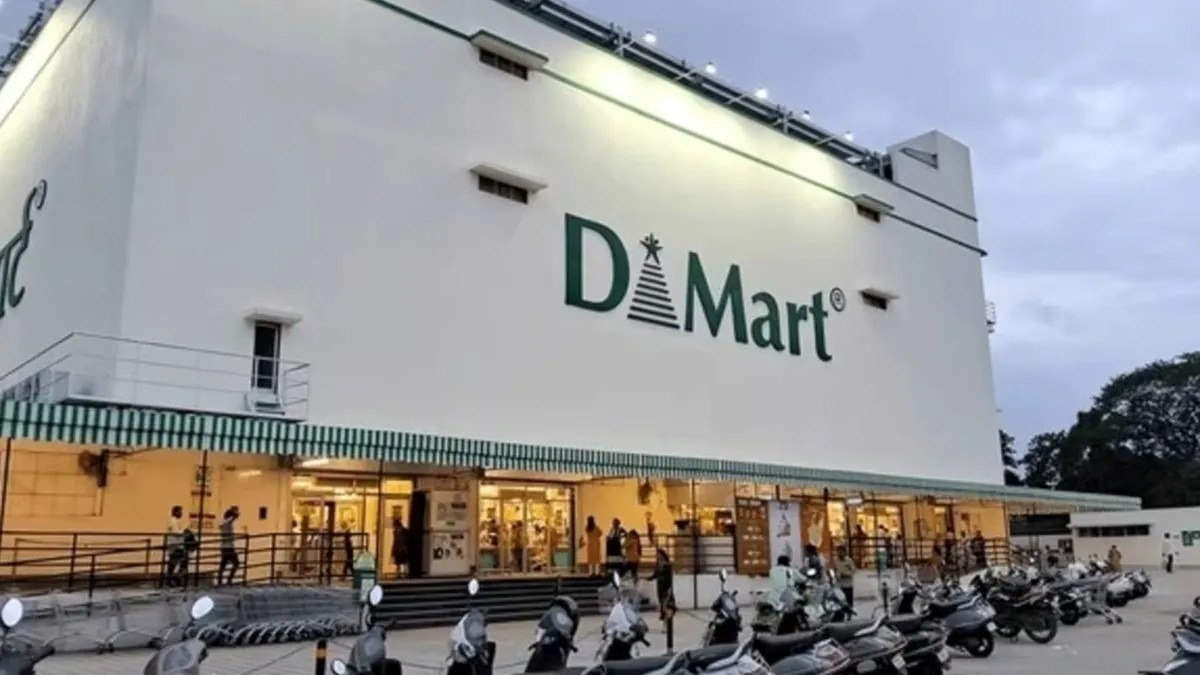
MUMBAI: The battle for shoppers is no longer fought only in store aisles, it’s increasingly being waged on smartphones and neighbourhood screens. As e-commerce and quick commerce continue to reshape buying habits, India’s brick-and-mortar retailers are rewriting their marketing playbooks, with some ramping up advertising while others double down on hyperlocal engagement and digital-first outreach.
Leading the spending push is Avenue Supermarts, which operates the DMart supermarket chain. The retailer increased its miscellaneous expenses which include advertising, bank charges and other operational costs to Rs 677.04 crore in FY26, up from Rs 570.78 crore in FY25, as it sought to strengthen its position in an increasingly competitive retail market.
The higher outlay coincided with robust financial performance. Revenue from operations rose 16 per cent year-on-year to Rs 66,968 crore, while profit after tax increased 10 per cent to Rs 3,224 crore.
Groceries and daily essentials remained DMart’s biggest revenue driver, accounting for 57.9 per cent of sales, followed by merchandise and apparel (22.28 per cent) and home and personal care products (19.82 per cent). The company now operates more than 500 stores across 15 states.
Not every retailer, however, is spending more to win customers.
Tata Group-backed Trent Ltd reduced its advertisement and sales promotion expenditure to Rs 116.04 crore in FY26 from Rs 126.76 crore a year earlier, even as it reported Rs 21,314 crore in revenue and expanded its retail network to 1,286 stores, including six in the UAE.
The company said its value fashion chain Zudio continues to avoid heavy advertising and price discounting, preferring instead to build visibility by expanding into micro-markets. The retailer has also stayed away from online sales, maintaining that the economics of e-commerce remain unattractive for its product category.
For its grocery chain Star Bazaar, Trent has adopted a hyperlocal marketing strategy, relying on digital communication, flyers, messaging campaigns and community-level engagement within housing societies to connect with customers more effectively.
V-Mart Retail has also trimmed its promotional spending, reducing advertising and sales promotion expenses to Rs 75 crore in FY26 from Rs 83.30 crore a year earlier.
Despite the lower spend, the retailer reported 16 per cent growth in revenue from operations to Rs 3,789 crore, while profit after tax surged 171 per cent year-on-year to Rs 124 crore.
The company acknowledged that digital platforms are increasingly influencing consumer purchasing decisions, with social media, influencer marketing and targeted digital campaigns becoming central to customer acquisition and brand engagement.
The contrasting strategies underscore how traditional retailers are responding differently to the rapid rise of e-commerce and quick commerce. While some are investing more heavily to strengthen brand visibility, others are betting that neighbourhood expansion, personalised communication and digital precision can deliver stronger returns than conventional mass advertising.
The broader retail environment also showed signs of improvement during the year. According to the Retailers Association of India (RAI), retail sales growth accelerated from 4-5 per cent at the beginning of FY26 to 7-8 per cent by the middle of the fiscal, signalling a gradual recovery in consumer demand even as competition across channels continues to intensify.