iWorld
How did OTT Evolve and Where Is It Heading

We create innovative solutions against problems as a tendency. With the conventional means of video content, there were many problems associated. They mostly were because of the format of content distribution which didn’t go hand in hand with the habits people had started acquiring.
All technological advancements have been directed towards convenience. The shopping scene shifting to digital means was a huge revolution in society. Now people are accustomed to making decisions of their own will, not constrained by time or place.
Although content consumption had taken a leap from conventional TVs to satellite-based networks that could be customised, this wasn’t enough. There was more to be narrowed down. Not just the selection of channels, but the selection of shows and more was what customers wanted.
The simple solution to this was an OTT platform. OTTs like Prime Video, Aha and other leading OTT platforms in India provide the users with the freedom to select the shows that they want to watch. They can choose from a pool of shows and hardly ever it is that they cannot find what they need.
On the other hand, these OTTs also do a great job with AI in engaging a customer with personalised suggestions to watch.
It is not the ultimate solution to the entertainment needs of humans, which would be a pool of anything and everything. For example, a drawback that the OTTs have is shows in a limited number of languages. Netflix might not have Telugu content. Although we have Aha, a user would need to take multiple subscriptions to enjoy content in both languages.
Rise of OTTs
With more people turning to online means of entertainment content, the OTT industry skyrocketed. With Netflix leading the game globally, with its national competitors like Prime Video, millions of people found value in these OTTs who then decided to ditch cable TV or satellite connections.
The price was another advantage of the OTTs. They could be pretty affordable. You can find tons of content at a nominal charge of as little as Rs 99 per month. This works because people have the access to a huge range of content at their fingertips. Moreover, they would be able to select the platform based on their interests, type of shows etc.
However, we are also affected by the rise of convenience offers by OTTs.
No time to think!
As we have the option to get entertained at all times, it is very easy to click on a thumbnail and watch an entire show. This can also be the first thing we would be drawn towards when feeling bored. Because we keep ourselves so engaged all the time, we may lose out on other important things. Ultimately, going to the gym, or spending time in the kitchen making healthy food, or learning new skills can take a backseat. Although, you don’t have to learn new skills constantly, it becomes a problem when you cannot even think about it.
Future of OTTs
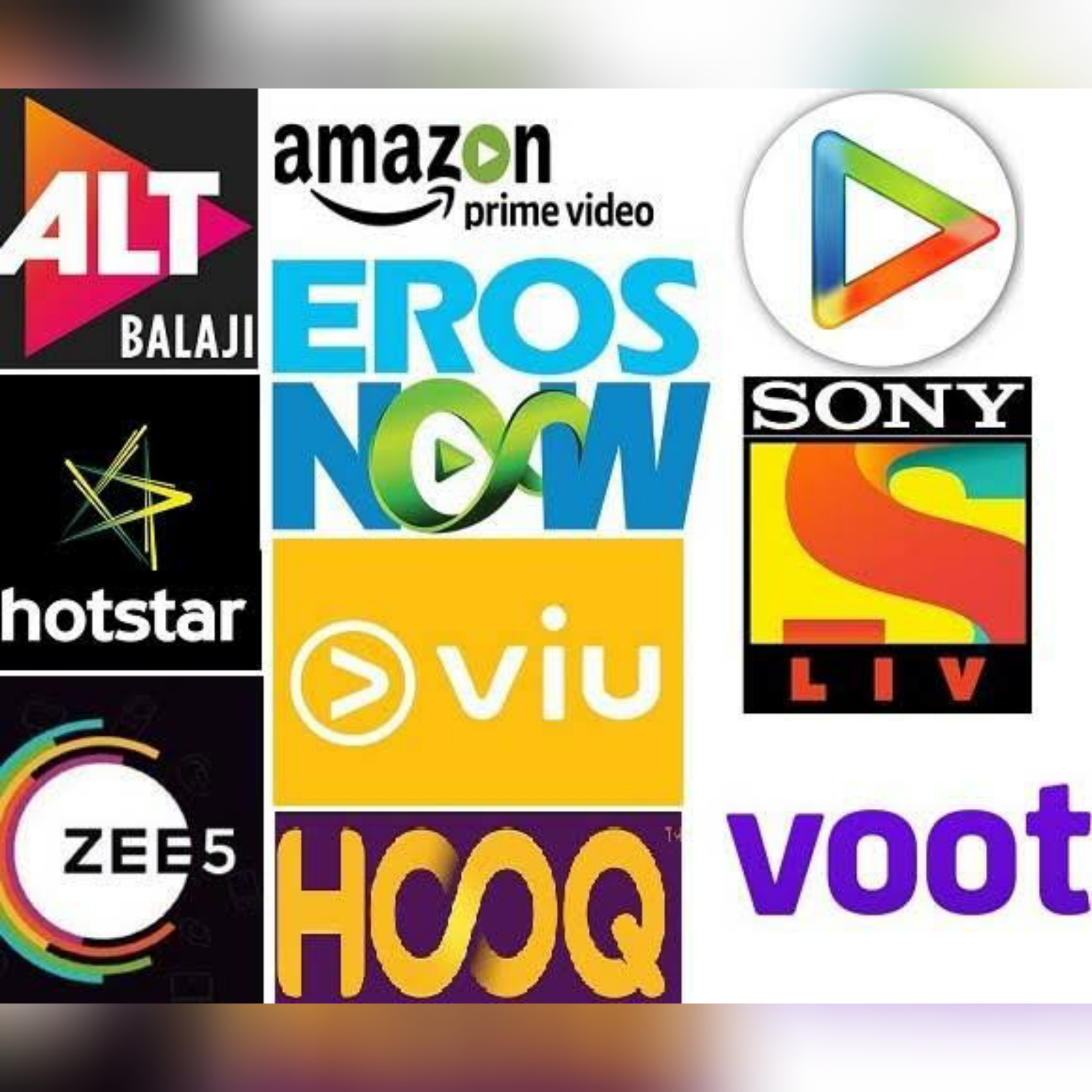
We are going towards a platform that is the combination of Netflix, Prime Video, SonyLIV, Alt Balaji and everything else. Such a platform is not directed by one company. On the other hand, it is owned by the users themselves. Probably, they can curate what type of content they’d want to see depending on languages, genres and even actors. Such a platform will eradicate the current limitations in the OTT industry. And I think this is what we are heading towards.
Conclusion
OTTs are here to stay. Not only can you enjoy the bounties, but also contribute to the platforms by creating your own content. Many video streaming platforms like YouTube allow you to do so.
You can be a part of the online content consuming audience with a subscription fee. Sp try out for yourself and try to make the best of it while you do so.