iWorld
Facebook celebrates the power of people coming together to support one another in the next phase of its consumer marketing campaign for India

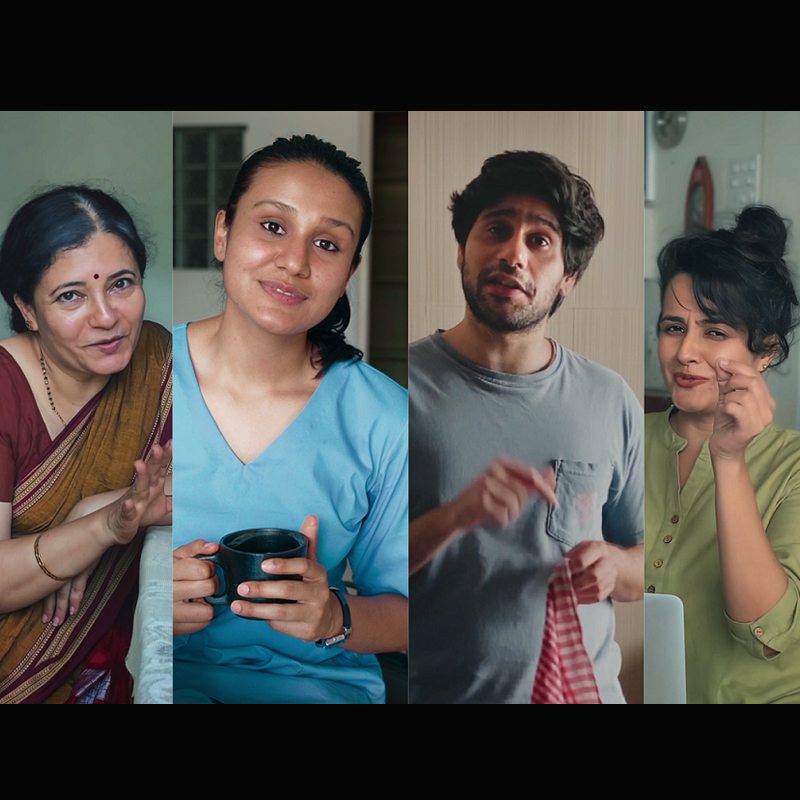
India, August 01, 2020: Facebook today launched the next phase of its consumer marketing campaign in India – ‘More Together’, to showcase how people across the country can do more together by harnessing the power of their connections on the platform – even more so in the current situation The latest campaign is inspired by real stories and celebrates the people who came together in these trying times to help and support one another.
As a part of Facebook’s priority of transparently communicating the role its services play in the world, the ‘More Together’ campaign showcases stories that celebrate and highlight the power of connections. The campaign includes four 30 second films featuring young parents, grandparents, two roommates and a doctor and depicts how they found support through their connections to help each other during these extraordinary times.
Speaking about the campaign, Avinash Pant, Director-Marketing, Facebook India, said, “At the core of this campaign is our brand belief that people can do more together than alone. Over the last several months, all of us have seen and heard many stories of people across India that have been the embodiment of this idea. People who were once strangers, connected with one another through Facebook, and together addressed many challenges that have surfaced in recent times. Through this campaign, we are shining a spotlight on the real stories that have inspired us, and hope more and more of our consumers will recognise that people are indeed each other’s best resources. Sometimes all you need to do is reach out to the world”.

The core campaign has been conceptualized and executed by Taproot Dentsu, the creative agency from the house of Dentsu Aegis Network (DAN) India. As part of the campaign, Facebook will leverage the power of its platform extensively to bring stories to life and has partnered with Dentsu WebChutney to craft the creative strategy and communication across digital and social media.
Talking about the inspiration behind the campaign Pallavi Chakravarti, Executive Creative Director, Taproot Dentsu explains, “When it came to looking out for each other in the months gone by, we found that Facebook was a vehicle. People were the fuel. This is the simple truth the campaign tries to capture. When times are tough, we truly can do more together than we can alone.”
Agency credits:
● Co-Founder, Taproot Dentsu and Creative Chairperson, Dentsu Aegis Network India: Agnello Dias
● Co-founder and Chief Creative Officer: Santosh Padhi
● Chief Executive Officer: Umesh Shrikhande
● Executive Creative Director: Pallavi Chakravarti
● General Manager: Ayesha Ghosh
● Head of Strategic Planning: Shashank Lanjekar
● Senior Creative Director: Neeraj Kanitkar
● Group Head (Copy): Gauri Burma
● Account Supervisor: Ana Iman
● Associate Vice President: Radhika Sabherwal
Film credits:
Equinox Films
● Director: Sandeep Modi
● Executive Producer: Manoj Shroff
● DOP: Mikhaeil Shah
● Production Designer: Anna Ipe
● Directors Assistant: Nisarg Vaidya
● Costumes: Maiti Shahani


iWorld
OpenAI hits back at Elon Musk’s lawsuit ahead of trial
Company calls claims “baseless” and accuses Musk of trying to disrupt a rival.
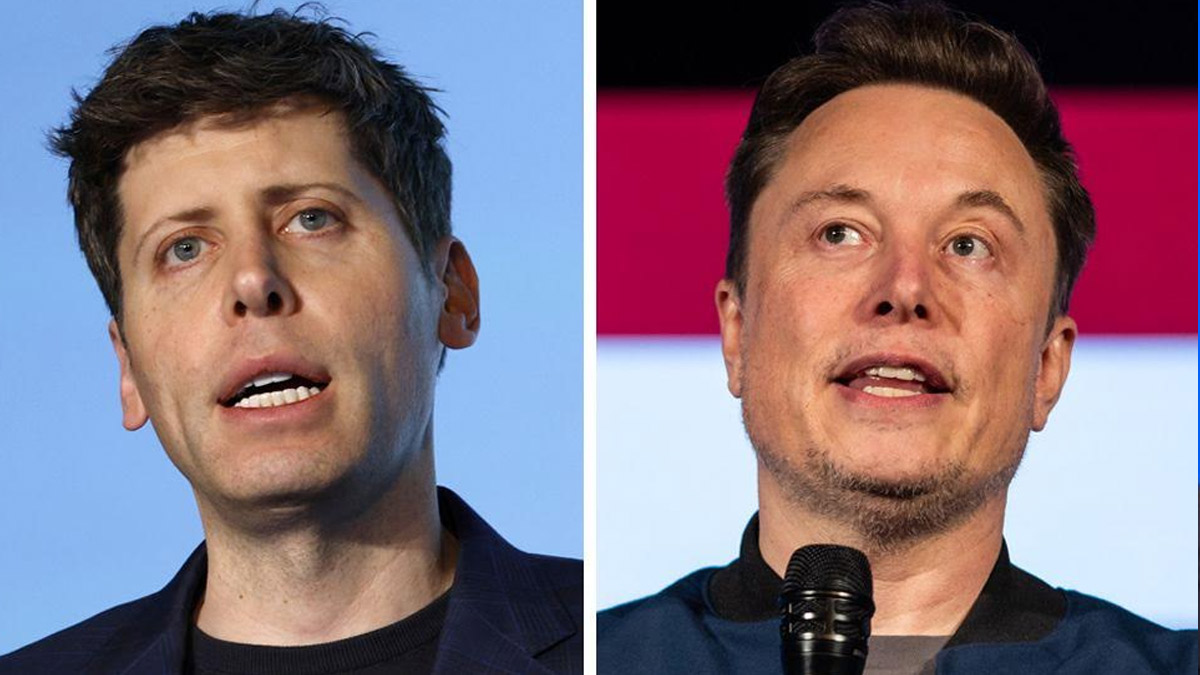
MUMBAI: When the stakes are measured in billions and egos are involved, even Silicon Valley titans can turn a courtroom into a battlefield. OpenAI has issued a sharp public response to Elon Musk’s ongoing lawsuit, accusing the billionaire of filing the case to harass a competitor rather than address genuine concerns. In a strongly worded statement shared on its official X account, OpenAI described Musk’s allegations as “baseless” and suggested the lawsuit is an attempt to disrupt the company as the case heads toward trial later this month in Oakland, California.
The response comes after Musk’s legal team recently amended the complaint, proposing that any damages potentially exceeding $150 billion should go to OpenAI’s nonprofit entity rather than to Musk personally. OpenAI questioned the timing and motive behind this change, calling it a late-stage attempt to “pretend to change his tune” on the nonprofit structure.
The company further labelled the lawsuit a “harassment campaign”, arguing that Musk’s actions are driven by personal rivalry, ego, and a desire for greater control and financial upside.
At the heart of the dispute is Musk’s claim that OpenAI has abandoned its original nonprofit mission of developing artificial intelligence for the benefit of humanity. A co-founder who left in 2018, Musk is seeking governance changes, including the removal of CEO Sam Altman from the nonprofit board, and the return of certain financial gains linked to Altman and President Greg Brockman.
OpenAI has firmly rejected these allegations, maintaining that its current hybrid structure, a public-benefit corporation overseen by a nonprofit parent remains true to its long-term goals. The company has also previously accused Musk of anti-competitive behaviour aimed at weakening its leadership.
As the case prepares for a jury trial, this public exchange highlights the deepening rift between two of the most influential figures in the AI revolution and raises broader questions about governance, mission, and power in the fast-moving world of artificial intelligence.
In the high-stakes game of AI, it seems the real drama isn’t just inside the models, it’s playing out in courtrooms too.






