iWorld
Double Tap Films launches as India’s first data-backed microdrama studio
New venture leverages Pratilipi’s massive storytelling ecosystem to create mobile-first dramas.


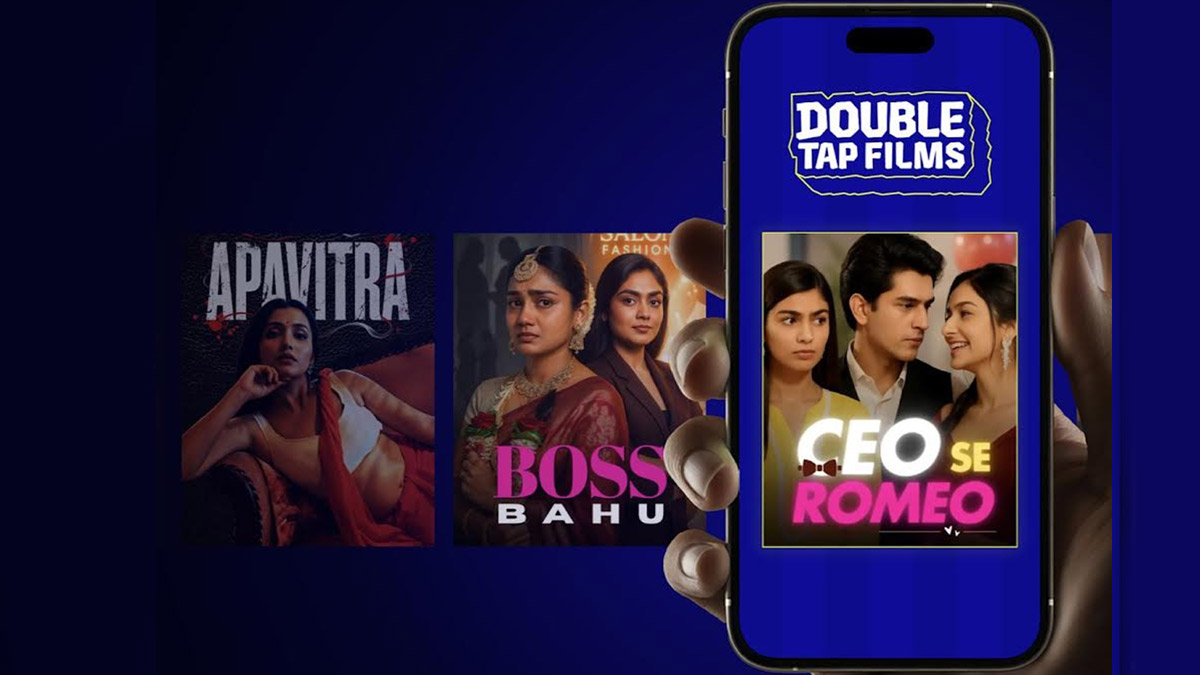
MUMBAI: Double Tap Films has just tapped into India’s insatiable appetite for stories this time, with data as its secret weapon and the mobile screen as its stage. India’s first data-backed microdrama studio, Double Tap Films, officially launched, marking a fresh chapter in the country’s fast-growing short-form entertainment space. Built at the intersection of indigenous IP and mobile-first consumption, the studio produces complete, vertical-first dramatic narratives powered by real audience intelligence from Pratilipi, India’s largest Indian-language storytelling platform.
Pratilipi’s vast ecosystem home to over 2 million authors whose stories are read more than 800 million times each month gives Double Tap Films a unique competitive edge. Before a single frame is shot, the studio already knows which stories spark emotional dependency and drive binge behaviour. It describes its model as a “format lab to franchise pipeline”, using the microdrama format as a high-signal testing ground for IP that can scale across OTT, gaming, and international markets.
Pratilipi co-founder & CEO Ranjeet Pratap Singh said, “India has always been a country of storytellers. What has changed is the screen. The mobile phone is now the primary relationship that hundreds of millions of Indians have with narrative forms. Double Tap Films exists to define what great storytelling looks like within it. We are building a new cinematic language for the mobile era, rooted in stories that India already loves.”
Pratilipi & Double Tap Films vice president for IP & Key Partnerships Sharlton Menezes added, “India has already crossed 250 million cumulative downloads of micro-drama apps. Double Tap Films is built to power this surge. Every frame is designed for maximum emotional impact per second – mobile-first, story-first, and audience-obsessed.”
The studio’s debut slate spans multiple languages and genres, including Avnika Ki Shaadi, Apavitra, Aag Se Takkar, Raavan, Boss Bahu, CEO Se Romeo, 2:47AM, Nishithini, and Naduve. The content is available on platforms such as Amazon Prime Video, MX, Zupee, Fatafat, Reelies, Story TV, Vertical TV, Hungama OTT, KLIP, and DramaWave.
Double Tap Films produces microdramas in Hindi, Bengali, Kannada, and Gujarati, with plans for further language expansion through 2026. The Indian microdrama market is among the fastest-growing segments in the country’s entertainment economy, with projections estimating it could exceed $1 billion by 2030.
In a country that consumes stories by the billion, Double Tap Films is betting that the smartest way to tell them is to let the audience data write the first draft. With Pratilipi’s massive validated IP pipeline and a clear focus on “Zabardast Entertainment”, the studio is aiming to turn mobile microdramas into India’s next big screen success story.