iWorld
DoT makes caller name display default on 4G and newer networks
CNAP rolls out from 1 November, with verified business names and privacy safeguards shaping the new rules


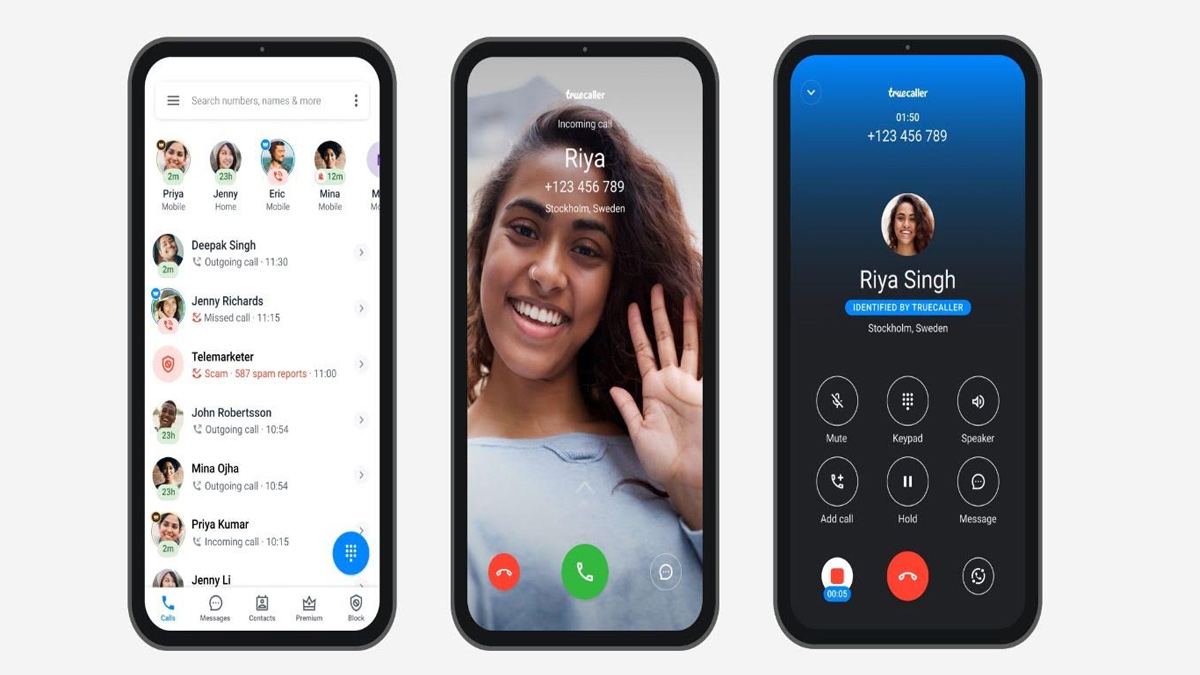
MUMBAI: Unknown numbers may soon have fewer secrets to hide, as India prepares to put a name to the number. The Department of Telecommunications (DoT) has directed telecom service providers to introduce Calling Name Presentation (CNAP) as the default on 4G and newer-generation mobile networks from 1 November 2026, bringing operator-verified caller identification into the everyday phone experience.
Under a circular dated 13 October, incoming calls from numbers not saved in a recipient’s contacts will display the caller’s telephone number alongside a name drawn from the originating operator’s subscriber records. Saved contacts will continue to appear under the names stored by users, while international calls will carry the label “International Call”. The initial rollout will not cover 2G and 3G networks or public switched telephone networks (PSTN), with their inclusion left for separate consideration.
For businesses, however, getting a name on the screen will come with paperwork. Organisations using business or bulk connections can seek to display a preferred name instead of the name held in telecom subscriber records, but it must qualify as either a trademark registered in the applicant’s name with the Trade Marks Registry or a trade name registered on the Goods and Services Tax portal.
Telecom operators will be responsible for verifying the proposed name and its supporting documents. For new connections, the approved name must be recorded in both the customer application form and the subscriber database. Existing subscribers will have to apply to add a preferred name, subject to the same verification process. In other words, a business cannot simply choose a familiar brand name and expect it to appear on every customer’s screen.
The change could matter to companies that use multiple numbers for sales calls, customer service, retention campaigns and telemarketing. A recognisable, verified identity may help recipients distinguish legitimate business calls from unfamiliar numbers, but the circular does not establish that CNAP will improve call-answer rates, campaign conversions or marketing performance. Its actual impact will depend on how consumers respond and how consistently the service is implemented.
For advertising and marketing teams, the new system adds another layer to how brands present themselves over the phone. Businesses seeking to display a trade name rather than a subscriber’s recorded name will need to ensure their registrations, supporting documents and telecom records line up. CNAP does not give every caller a blanket right to display a preferred brand identity.
Privacy safeguards will also shape the rollout. Subscribers who have activated Calling Line Identification Restriction (CLIR), in accordance with existing guidelines, must not have their calling-name identity displayed. Operators must also follow a security-by-design approach, ensuring the caller’s name is not retained through the query-response mechanism after the incoming call ends. They must maintain sufficient database, network and connectivity capacity to process identification requests and deliver the information in a timely manner. Grievances relating to CNAP must be handled through existing telecom complaint-redressal frameworks.
The directive follows trials conducted by telecom service providers on wireless networks using 4G and higher-generation technologies. It also builds on recommendations issued by the Telecom Regulatory Authority of India (TRAI) in February 2024. In October 2025, TRAI agreed with the DoT’s proposal to make CNAP available by default, moving away from its earlier recommendation that subscribers activate the service only on request.
The circular also refers to Rule 48(1) of the Telecommunications (Authorisation for Provision of Principal Telecommunication Services) Rules, 2026. The provision requires calling-line identification to be presented in a manner protected against tampering and in accordance with government-specified requirements.
With the 1 November deadline approaching, telecom operators must prepare to make caller-name presentation the norm across their 4G and newer-generation networks. For consumers, that means more context before answering an unfamiliar call; for businesses, it means that the name appearing on the screen will increasingly need to be backed by verified records.