iWorld
BARC launches cross-media measurement pilot with JioStar
TV ratings body tests unified framework across linear, CTV and mobile, addresses long-standing advertiser demand on 20 February 2026.

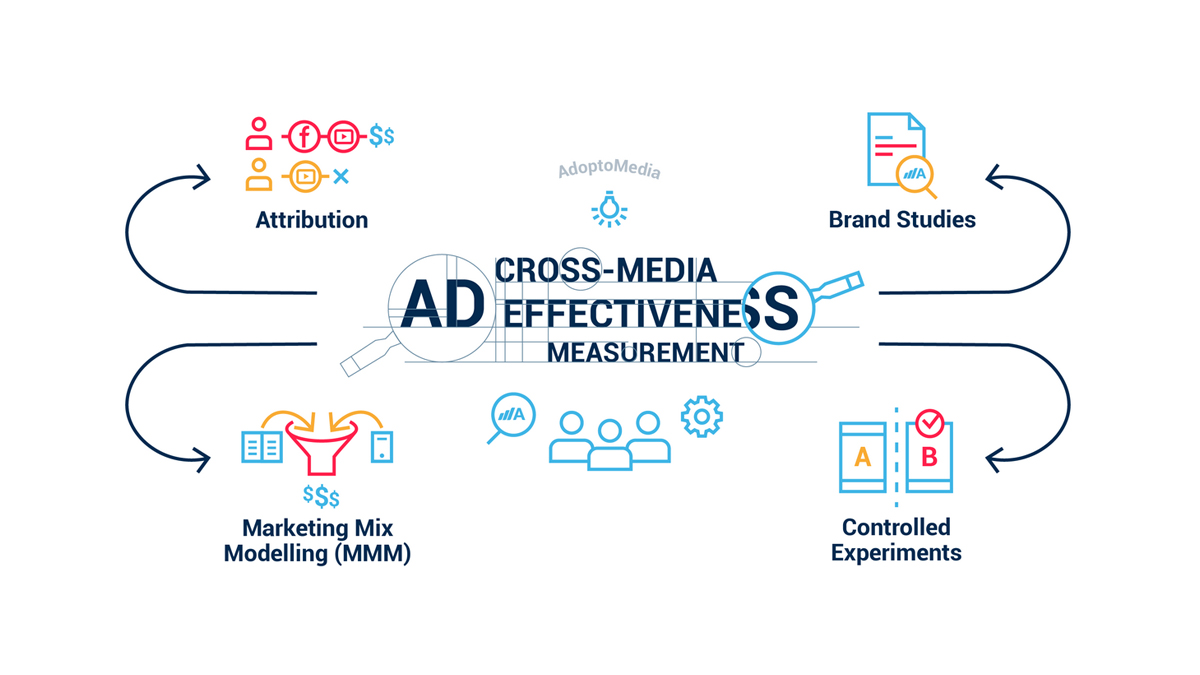
MUMBAI: India’s TV ratings system is finally catching up to the screen-hopping viewer because when audiences juggle remotes like cricket balls, measurement can’t stay stuck in the living room. The Broadcast Audience Research Council (BARC) has quietly begun a pilot project for cross-media measurement, marking its first structured attempt to track audiences seamlessly across linear TV, Connected TV (CTV), and mobile platforms. Multiple BARC board members confirmed the development on 20 February 2026, describing the initiative currently running with JioStar as a foundational step toward a unified industry currency.
The pilot arrives amid sharp criticism from the Ministry of Information & Broadcasting (MIB), which in 2025 directed BARC to integrate CTV data into its system. MIB highlighted glaring gaps: India has roughly 230 million television households, yet BARC relies on only about 58,000 people meters, a sample representing just 0.025 per cent of total homes. The ministry also flagged BARC’s lack of tracking for smart TVs, streaming devices, and mobile apps, undermining the reliability of TRPs in a diverse, multi-screen country.
The initiative builds on JioStar’s December 2025 Cross-Screen Measurement Study with Nielsen during TATA IPL 2025, which analysed five major brands across impulse and high-consideration categories. That study demonstrated how audiences engage with live sports across linear TV, CTV, and mobile underscoring the need for total reach and incremental impact metrics.
Advertisers have welcomed BARC’s proactive move. A senior member of the Indian Society of Advertisers (anonymous) called it the right move at the right time. Consumers are fluid across screens, and measurement must reflect that reality. A credible cross-media framework will help us optimise budgets scientifically, reduce waste, and drive higher ROI.
Another brand leader added, that the move will allow marketers to identify incremental reach across platforms rather than overexposing the same audience. That improves campaign effectiveness and ensures every rupee works harder.
A broadcaster executive praised the pilot-led approach saying BARC deserves credit for stepping forward and testing this in a structured way. Reform of this scale requires collaboration, experimentation and patience.
If the pilot proves robust and expands beyond JioStar, India could move toward a single, cross-platform measurement standard potentially reshaping how billions in advertising rupees are planned and spent. In a media world where viewers rarely stay on one screen, BARC’s experiment might just be the first step toward making ratings as multi-talented as the audience they try to count.