iWorld
Australia proposes A$109.2 million penalties for unsafe digital platforms
Digital Duty of Care Bill seeks safer online services and greater user control over social media feeds


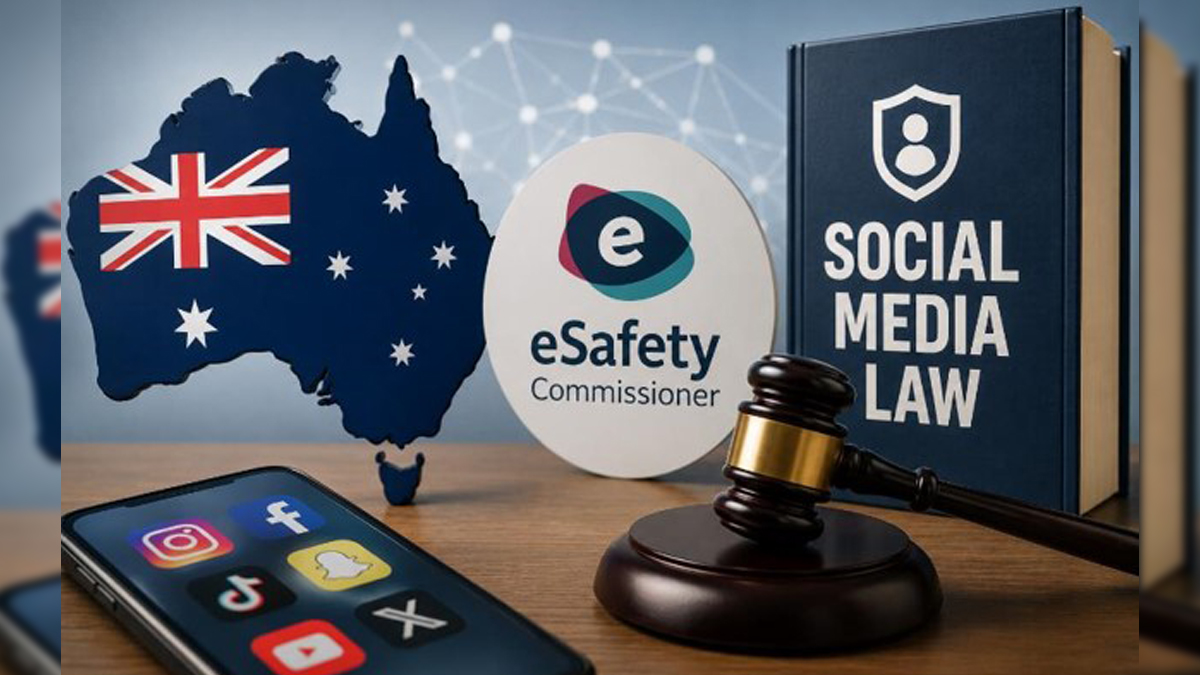
MUMBAI: Australia wants to put the brakes on online harm without taking users out of the driver’s seat. A proposed law could force digital platforms to do more than simply moderate content, making them responsible for assessing risks and taking steps to prevent serious harm, with penalties of up to A$109.2 million for non-compliance.
Communications Minister Anika Wells introduced the Online Safety Amendment (Digital Duty of Care) Bill 2026 in the House of Representatives on Thursday, 15 October. The legislation proposes minimum safety standards for a broad range of online services, including social media platforms, gaming services, apps and AI chatbots.
At the heart of the bill is a shift in responsibility. Instead of relying largely on users to navigate online risks, service providers would have to identify potential dangers associated with their platforms and take steps to prevent or minimise serious harm. The proposal would apply across a digital landscape where the risks extend beyond what users see on their screens to the features and systems shaping their online experiences.
Social media feeds are also in the government’s sights. Under its ‘My Feed, My Way’ initiative, Australians aged 16 and above would be able to choose between algorithmically recommended content and posts from accounts they follow. The proposal would give users greater say over whether platforms decide what appears in their feeds or they stick more closely to the people and accounts they have chosen to follow.
The bill also seeks stronger protections against seriously harmful content and conduct, with additional safeguards for children under 18. The areas identified include pornography, cyberbullying, material glorifying crime or life-threatening stunts, content encouraging eating disorders and material promoting hostile attitudes towards women.
The proposed changes would extend the powers of the eSafety Commissioner, Australia’s online safety regulator. These would include the authority to restrict access to apps and websites primarily designed or used to generate fake nude images of individuals, targeting services that can be used to create sexually explicit imagery without a person’s consent.
The legislation would also strengthen existing protections against cyberbullying and adult online abuse. Platforms would be expected to meet minimum standards for complaints handling and dispute resolution, giving users a clearer route to raise concerns when things go wrong online.
However, the proposed framework would not cover everything appearing on a screen. The government has clarified that professional news material and entertainment media would be exempt from the relevant provisions. Any additional categories of harm proposed under the framework would also face parliamentary scrutiny, leaving lawmakers with a role in determining how the rules develop.
While the bill sets out a tougher approach to online safety, its passage is far from guaranteed. It must clear the Senate before it can become law, and the government is expected to seek support from the Greens, who have called for stronger accountability measures for digital platforms.
The Greens have pushed for provisions allowing people harmed by digital platforms to take legal action and seek compensation. Those demands remain proposed changes, rather than rights established by the bill as introduced. The final legislation could therefore depend on negotiations over how far platform accountability should extend and what remedies should be available to affected users.
The proposal follows Australia’s introduction of restrictions on social media access for children under 16, another move aimed at addressing the risks young people face online. The new bill takes a broader approach, focusing not only on who can access social media but also on how online services operate, the content and features they expose users to, and the choices available to people using them.
The government has invited public submissions on the proposed rules governing users’ choice of social media feeds, with consultation open until 5 November 2026. The feedback process offers an opportunity for stakeholders and members of the public to weigh in on how the proposed requirements should work in practice.
For digital platforms, the message is clear: online safety could become a more formal obligation, backed by substantial financial penalties. For users, the proposals promise greater control over their feeds and stronger safeguards against harmful material. But until the bill secures parliamentary approval, the proposed duties, powers and penalties remain just that proposals, not enforceable law.





