
iWorld
Aisle report finds 64.2 per cent of Indian sin gles trust gut over AI
Survey of 8,240 urban singles finds AI shaping dating profiles and messages, but authenticity remains a sticking point


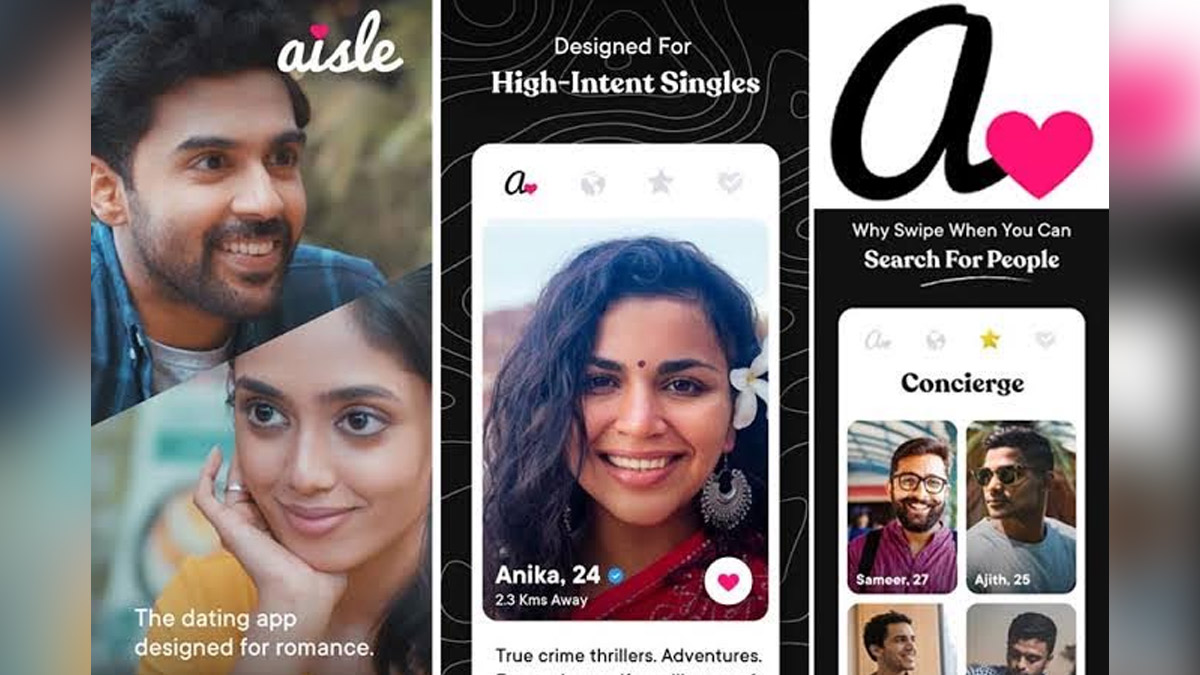
MUMBAI: In the game of love, AI may be helping Indians find the right words, but it has yet to earn the final say of the heart. A new report by homegrown dating app Aisle finds that singles are increasingly using artificial intelligence to polish profiles, draft messages and decode mixed signals, even as most continue to trust their instincts over an algorithm.
Titled How India Is Using Technology to Navigate Love, the report surveyed 8,240 urban Indian singles across generations and cities. Gen Z accounted for 50 per cent of respondents, millennials 43 per cent and Gen X and older users seven per cent, while 73.3 per cent were based in Tier-1 metros.
The numbers suggest AI is becoming a digital dating wingman, helping people navigate the awkwardness of online conversations without necessarily taking charge of their romantic decisions.
More than half of respondents, 51.2 per cent, said they run messages through AI before sending them. Another 46 per cent have used the technology to write or improve dating profiles and prompts, while 22.6 per cent believe it is acceptable to let AI draft the very first message to a potential match.
Yet the heart still appears to have the casting vote. As many as 64.2 per cent said they trust their gut feeling, compared with just 12.8 per cent who trust AI more than their own instincts.
Among Gen Z respondents, 37.3 per cent have asked AI to interpret a confusing text from a match. The technology is also becoming a private space for emotional processing: 53.1 per cent of women said they turn to AI to discuss their feelings and relationship worries.
When confronted with mixed signals, 11.8 per cent of respondents turn to AI more than friends, while 19.6 per cent consult both equally. Another 20.7 per cent lean towards friends, and 47.9 per cent prefer to work things out themselves.
Convenience and the freedom to speak without fear of judgement are part of AI’s appeal. Some 21.4 per cent cited its instant availability as a reason to choose it over friends, while 18.3 per cent said they valued the fact that it would not judge them.
Aisle executive vice president and head Chandni Gaglani said AI was the latest addition to a long line of confidants in India’s dating culture, where parents, friends and group chats have traditionally helped people navigate romance. The bigger question, she said, is how the technology can coexist with the human need to feel seen and understood.
Singles appear more comfortable using AI to improve their words than allowing it to reshape their identity. The report found that 47.9 per cent prefer completely unfiltered dating profiles.
The reaction to AI-enhanced or AI-generated photographs is more divided. Some 40.2 per cent said they would feel deceived and would probably unmatch if they discovered that a match had used such an image. Another 36.4 per cent would be bothered but would not necessarily unmatch, while 23.4 per cent said it would not concern them.
There is also a potential double standard: 24.3 per cent of respondents use AI themselves but would be bothered if their match did the same.
The distinction is important. Using AI to find a better way to phrase a message may be seen as a confidence boost; using it to alter one’s appearance can raise questions about whether the person on screen matches the person behind the profile.
The report points to differences in how men and women approach AI-assisted dating. Among male respondents, 48 per cent said they use AI for dating prompts, 38.6 per cent use it to draft opening messages and 24.1 per cent use it for profile pictures. Around 35 per cent said AI boosts their confidence.
Women were more sceptical of AI-assisted communication. Some 60.5 per cent said using AI in dating does not count as being oneself, while 51.9 per cent said they ignore opening messages that sound AI-generated.
Despite these differences, instinct remains the preferred guide for both groups. The report found that 63.2 per cent of men and 69.4 per cent of women trust their gut over AI.
Aisle counselling psychologist and relationship consultant Arouba Kabir said the contrast reflected two sides of the same uncertainty: men often use AI to work out how to communicate, while women may use it as a reason to question whether a message is genuine. AI can improve presentation, she said, but cannot manufacture authenticity.
Younger users feature prominently among those turning to AI for help with online romance. Of respondents who use AI to improve dating prompts, 60.5 per cent are Gen Z and 39.5 per cent are millennials.
Gen Z also accounts for 61 per cent of respondents who use AI to decode messages from matches and 59.9 per cent of those who say the technology significantly boosts their confidence.
However, greater use does not automatically mean greater trust. Gen Z accounted for 62.7 per cent of respondents who trust AI over their gut, compared with 37.3 per cent for millennials.
The findings suggest that younger daters are using AI to manage the nerves and ambiguity of digital courtship, rather than necessarily handing over relationship decisions to technology.
The report also found differences in how respondents across cities view AI and online relationships.
Delhi NCR recorded the highest share of respondents saying conversations with AI feel more meaningful than conversations on dates, at 40.5 per cent.
Bengaluru respondents showed high awareness of AI-generated communication: 56 per cent said they could identify AI-written text, while 88 per cent believed AI-written opening messages were already inevitable. Even so, 65.1 per cent continued to trust their instincts over AI.
Mumbai recorded the highest instinct score among the major metros, with 69.1 per cent saying they trust their gut over AI. Pune, meanwhile, stood out for confidence, with 42 per cent saying AI significantly boosts their dating confidence.
In Hyderabad, 55 per cent preferred unfiltered profiles, while 45.5 per cent said they would unmatch over an AI-generated photograph. Kolkata showed the strongest resistance to AI in dating, with 46.6 per cent saying the technology should never be used for it.
Taken together, the findings paint a picture of a dating culture embracing technological assistance while remaining wary of losing the human element. AI may help Indians get past the first message, but trust, authenticity and the final call on a potential partner remain firmly in human hands.






