Brands
How Google views India’s internet landscape

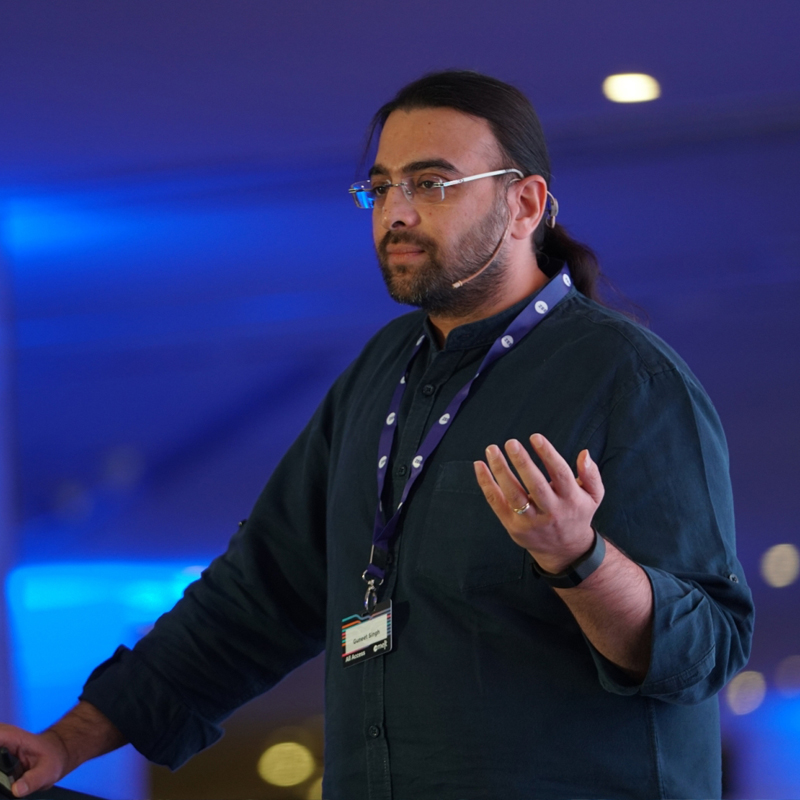
MUMBAI: After having worked with three tech giants of today – Google, Microsoft and Samsung – Guneet Singh is not hesitant to speak of the power of digital. The Google head of marketing solutions for India and SEA was speaking at the Zee Melt 2018 conference.
At Google since the time digital market was a minuscule fraction in the country, he believes that digital empowers people to market their products providing equal chance. As the industry transformed from TV to digital, creative ecosystem needs to change to understand how the consumption is happening.
“Internet market is led by two things. It’s led by the smart device which has to process and the good network. Both of those were struggling. The first big shift came between 2012-15 when prices were going down and quality of data improved. The next shift came after Jio entered the market,” he revealed in an interaction with Indiantelevision.com.

Owing to the large population, even when only 10 per cent of Indians were on the internet, India was a priority market for Google. Though India’s vast cultural and linguistic diversity makes it a challenging market, Singh thinks every company has to be ready to able to be flexible and appeal to users across the country. According to him, the best way to look at India is not as a country but as a region which has eight to nine geo-clusters or small countries.
India being a priority market, Google has a large marketing team in India. It likes to keep a multi-cultural team in every office. Along with a high number of local population, it also encourages people from other parts of the world to come and work in different countries paving the way to knowledge-sharing.
One of the major areas Google focuses on India is always having more people on the internet, to really get the value of the internet which is beyond funny videos. It is also working with manufacturers to look at ways to get great performance at affordable prices on Android devices. In 2016, Google launched, in collaboration with Indian Railways, its free high-speed public wi-fi service at five railway stations which has now reached around 400 stations.
“The second part is that as you grow beyond the first 100 million users, we have so many different languages, cultures, there’s an effort on trying to build a vernacularity. The focus is on the content on the internet which is primarily in English and then goes to Hindi, Punjabi, Telugu, Malayalam, Bengali, whatever India needs and next generation of Indian users comes up from that effort. That’s another big initiative we are taking,” Singh said.
While with the recent Cambridge Analytica scandal, GDPR roll out in Europe, protection of consumer data has become a burning issue worldwide, Singh also considers the issue very important. “The internet empowers people. Therefore the way data can be used should be a choice of that individual,” he said. However, he thinks it should not become a rightist movement. People should be given a choice if they are okay with sharing data for getting something better.
With an experience of more than 15 years in the industry, he thinks digital advertising needs to evolve to grab the eyeballs of an audience which has a very short attention span. Six-second videos aren’t always the goal but the right engagement. The optimistic man, however, firmly believes creativity is not dead.





Brands
Apple CEO Tim Cook to step down after 15 years, John Ternus to take over
Leadership shake-up sees long-time hardware chief step up from September
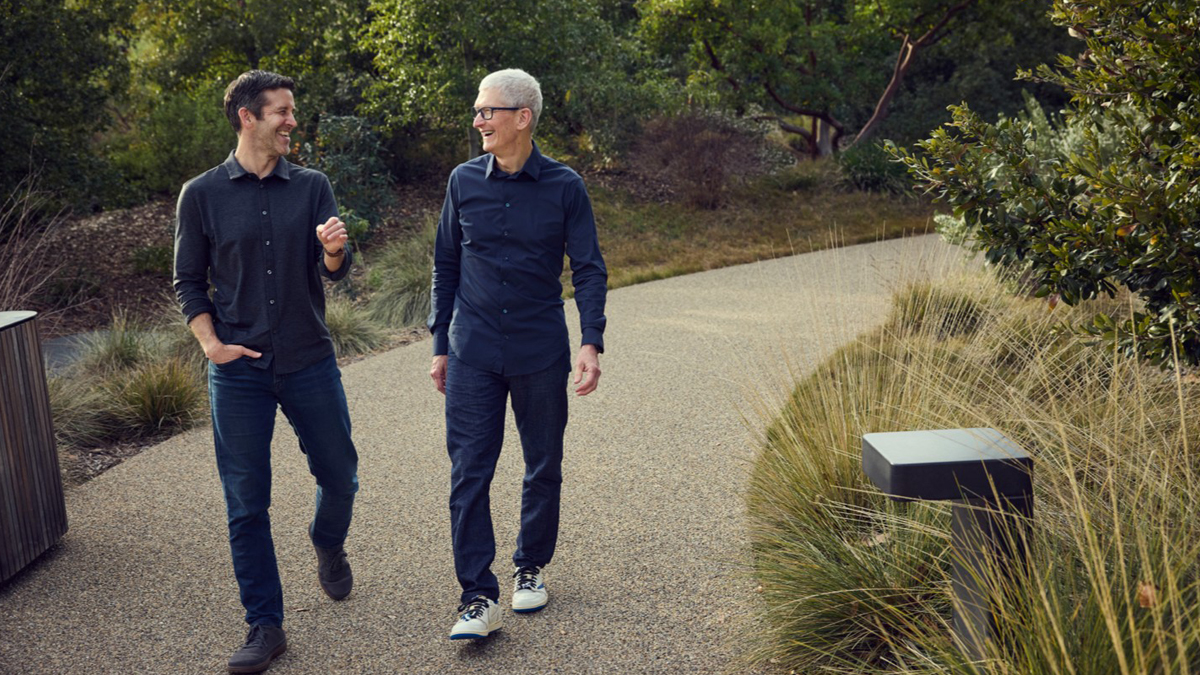
CUPERTINO: Apple has confirmed that chief executive officer Tim Cook will step down from his role and transition to executive chairman, with senior vice president of hardware engineering John Ternus set to take over as CEO from September 1, 2026.
The transition, approved unanimously by the board, marks a carefully planned leadership shift at one of the world’s most valuable companies. Cook will remain CEO through the summer, working closely with Ternus to ensure a smooth handover before moving into his new role, where he will continue to support Apple and engage with policymakers globally.
In a memo to employees, Apple CEO Tim Cook reflected on his 15-year tenure, recalling the moment Steve Jobs asked him to step into the role. “It was an emotional and challenging moment for all of us at Apple,” he wrote, adding that the company’s core values, from simplicity and innovation to a commitment to improving lives, remain unchanged.
Explaining his decision, Cook said the company’s strong roadmap and future outlook made this the right time for a transition. “I have never been more optimistic about Apple’s future,” he noted, while announcing Ternus as his successor. He described Ternus as “a visionary in his own right” with “remarkable integrity” and the right leader to guide Apple into its next phase.
Cook said, “John Ternus has the mind of an engineer, the soul of an innovator, and the heart to lead with integrity and with honour.”
Ternus, in his own note to employees, struck a steady, execution-focused tone. Ternus said, “It has been such a privilege to lead the hardware engineering team… I still plan to be very hands-on,” signalling continuity rather than a strategic reset.
As part of the leadership reshuffle, Ternus will step away from leading hardware engineering, with Tom Marieb taking over the role. Marieb will report to Johny Srouji, who assumes an expanded position as chief hardware officer, aligning hardware development more closely with Apple’s silicon and technology teams.
Cook also used his memo to thank employees, calling them “the most remarkable people in the world” and crediting them for building Apple into what it is today. A town hall has been scheduled at the Steve Jobs Theater to discuss the transition further.
The leadership change also sees Arthur Levinson move to the role of lead independent director, while Ternus joins Apple’s board.
Cook’s tenure has been defined by massive growth and expansion, with Apple’s market value rising from around $350 billion in 2011 to $4 trillion, alongside the launch of new product categories and a booming services business. Ternus, a 25-year Apple veteran, has played a central role in shaping the company’s hardware roadmap, from iPhone and Mac to newer innovations in materials and sustainability.
The transition signals a generational shift, but not a dramatic change in direction. If anything, both memos point to continuity, discipline and a belief that Apple’s next chapter will be built on the same values that shaped its last.