iWorld
Why the OTT market needs a new content ecosystem

While it’s a given that video consumption is going through the roof, many of the OTT platforms are still tweaking their content strategy in order to get their act right. The primary target audience now being in the 18-30 age group, concepts that use to work for general entertainment TV channels have become passé.
A system which is over dependent on the ‘so called’ commercially successful directors who might have churned out crass blockbusters or scriptwriters who have penned some of the most regressive television serials, might give you some marketing brownie points, but they may not survive in the long run. It’s time to build a content ecosystem that will support new talents and produce compelling content. The race is on to experiment with formats and scripts that will grab the millennial’s attention.
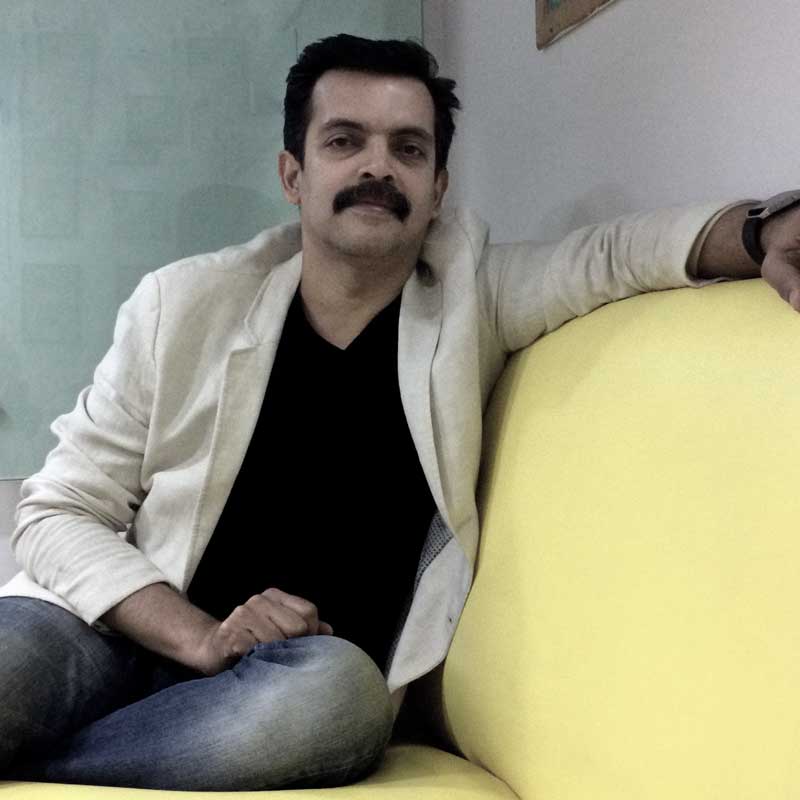
This is one of the reasons why I would like to position my company ‘Studio Mojo’, not just as another production house, but as a content network whose primary objective is to discover and work with new talents—and they are in abundance.
You can take a leaf out of the Malayalam movie industry, which undoubtedly produces some of the best movies in the country. Many of the critically acclaimed movies made in the past few years can be credited to a few debutant directors and scriptwriters. The movies in question—Ee Ma Yau, Angamaly Diaries, Maheshinte Prathikaram, and Thondimuthalum Driksakshiyum created by directors like Lijo Pellissery and Dileesh Pothan. On a similar tangent, take the case of Sandeep Reddy Vanga, who made his directorial debut with the critically acclaimed Telugu blockbuster Arjun Reddy. And in Tamil, we have debutant director Prem Kumar’s 96, which was a runaway hit.
While Sacred Games stole a lot of limelight last year, Little Things penned by a young and talented team created waves on YouTube and made a huge fan following.
It is quite evident that when it comes to creating great programmes, script is the king. Our effort is to consistently discover new regional digital stars. Every single day, Studio Mojo's creative team works with upcoming talent, screening scores of new scripts, meeting aspiring scriptwriters and directors to produce the next big thing in the regional space.
We started off with Rinosh George who became an overnight digital sensation with his I'm a Mallu song (which later became the ‘Mallu Anthem’). Today he is a budding actor, whose debut Malayalam movie recently hit the screens. For our first web series Utsaha Ithihasam we teamed up with a young director Krishand and the series went on to receive a lot of acclaim at the Seoul WebFest. Our next project will be directed by Praveen Nair (who was Goutham Menon's chief assistant) for the Zee5 channel and is claimed to be one of the biggest web series coming out in Malayalam.
But the digital space is not just centred around new talent. Since going back to television feels like a retrograde step for many directors and scriptwriters, digital is something they are excited about—they can talk to a younger audience and select subjects which may not have had too many takers in the mainstream cinema. While we continue with our efforts to spot new talent, we are equally excited about working with established names. We have already kick-started a project in Malayalam, where we are bringing together 10 established directors to work out a ‘Love Anthology’ series. Many of them are also keen to play a mentor role to the first time directors of a few of our other projects.
We are also onboarding technicians and production executives from the regional movie industries who have been struggling to find regular work. They could become a critical cog in the ecosystem we are trying to build.
So, yes, the future looks exciting. We hope to play a not so insignificant role in creating a new order, where a bunch of new talents will rub shoulders with the established ones. We owe it to our audience to unearth the Lijos’ and Sandeep Reddys’ of the digital world.
(The author is CEO and founder, Studio Mojo. The views expressed here are his own and Indiantelevision.com may not subscribe to them)