iWorld
Amit Goenka on ZEE5 growth, monetisation and language-based content strategy

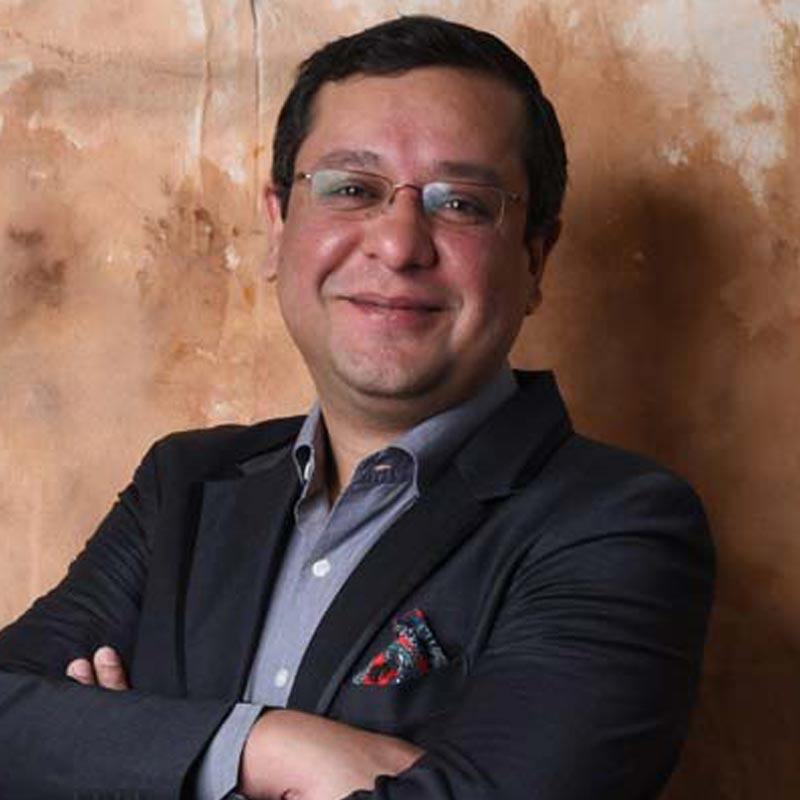
MUMBAI: Within a very short span after its launch, Zee Entertainment Enterprises Ltd's (ZEEL) digital venture ZEE5 has been able to gain good traction in the Indian market reaching 61 million monthly active users (MAUs). While the company is monetising this viewership through advertising for now, digital subscription is also seeing good initial traction. However, ZEEL international broadcast business and ZEE5 Global CEO Amit Goenka noted that for a sustained growth it needs to establish a strong value proposition with a large catalogue of differentiated content.
In a Q&A published in the company's annual report, Goenka spoke on a wide array of topics in the context of ZEE5’s performance in 15 months, user base, content strategy, and monetisation. Here are the edited excerpts of the interview:
ZEE5 was launched in a crowded OTT space. How would you rate its performance after 15 months of launch?
We have been pleasantly surprised by the overwhelming response ZEE5 has received. Reaching 61 million monthly active users within a year of launch is a great start. In the first year itself, we have significantly expanded our original content offering and have become the number one producer for digital exclusive content. ZEE5 has rolled out several new features for its consumers and is also offering differentiated solutions to advertisers. Although the progress in year one has been satisfactory, we would have liked to launch ZEE5 a little earlier. We always believed that the right product with a compelling content catalogue would be able to make its mark. This is just the beginning and ZEE5 will continue to scale up on the three pillars of content, technology and partnerships.
An Indian consumer has multiple OTT options for entertainment. What in your opinion makes a consumer choose ZEE5 over the others?
Over the past two and half decades we have observed that viewers in India prefer to consume content in their own language. Content across 12 languages has been the focus of ZEE5 since launch. We also understand that viewers’ needs are diverse and therefore we offer a wide range of content. That is where our expansive movie library, ZEE5 Originals, TV shows, curated news, music videos, live events and cine-plays come into the picture. While ZEEL’s extensive library of catch-up TV is driving organic growth on our AVOD offering, the taut storytelling of our original content has appealed to viewers and is driving SVOD adoption. ZEE5’s features like navigation in 11 languages, voice search, and option to download and consume offline have been designed considering the realities of the Indian market. ZEE5 is committed to offering enough choices and improving convenience for consumers to make it the go-to destination for entertainment.
Could you share your philosophy for selection of stories for original content?
Based on the insights from our extensive research of OTT’s target audience, we have devised a philosophy for original content that is based on the 3Rs – Real, Relevant, and Resonant. It helps us to select stories from across the country’s diverse cultural and linguistic backgrounds. Over the last 15 months, we have created content across several genres – biopics, thrillers, horror, comedy, and action. In India, young audiences (18-35 years) have been the early adopters of digital platforms and these genres have seen great success with this segment. Our shows like Karenjit Kaur: The Untold Story of Sunny Leone, Rangbaaz, Parchayee: Ghost stories by Ruskin Bond, Babbar ka Tabbar, or movies such as Tigers and the line-up of ZEE5 Film Festival have seen immense success. Our FY20 slate of original content is building up well and we are on track to launch over 70 original shows and movies across 6 languages.
ZEE5 has built a sizeable user base in a short time. How are you monetising this base and how do you see the split between advertising and subscription revenues?
India is a unique market when it comes to OTT, especially with respect to advertising and subscription. At present, television and free content dominate viewership on OTT platforms and on ZEE5 as well, catch-up TV attracts a large proportion of eyeballs. We are monetising this viewership through advertising, and this is driving acceleration in the company’s overall ad revenue growth. In the price-sensitive Indian market, digital has to compete with a very economical television offering to build a subscriber base.
While the digital subscription is seeing good initial traction, for a sustained growth it needs to establish a strong value proposition by offering a large catalogue of differentiated content. ZEE5 is focused on creating content that caters to needs not addressed by television. ZEE5’s revenues will be dominated by advertising initially but as we populate our platform with more original and premium content, we expect the subscriber base to scale up faster. In the longer term, digital subscription could be as big an opportunity as advertising in India.
ZEE5 has struck several partnerships over the last one year. What is the framework for selection of partners and how do you evaluate the performance of a partnership?
We are evaluating partnerships primarily with two objectives in mind – reaching untapped audiences and improving the viewing experience. Digital video consumption in the country is being driven by mobile, accounting for over 90 per cent of viewership. Telecom players are playing an important role in driving this growth by bundling content with their services and have become natural partners for content producers. Our partnerships with all the leading telcos boost the consumption of our AVOD content and also helps to drive our subscription service by offering SVOD content for their premium consumers. We are also partnering with device manufacturers to benefit from the rising penetration of smartphones and smart TVs. Some of our partnerships in the digital ecosystem are with businesses that already have an established user base in our target segments. In addition to providing additional touchpoints for reaching consumers, these partnerships also enable better content discovery and viewing experience.
With so many players investing in their OTT offerings, how do you see the landscape evolving?
The data and technology revolution has considerably changed the media landscape, bringing new players into the entertainment industry and enabling the existing ones to explore new opportunities. Several technology-first companies that started off with licenced or user-generated content are now producing original content. On the other hand, the incumbents are also upgrading their technological capabilities along with expanding their content offering. Integration of technology will have several lasting impacts on the way content is created and consumed. However, I believe that in the long run, technology-led differentiation will diminish, and the only key differentiator for any platform will be content. While some platforms will find and operate in a niche, only a few will be able to reach a pan-India scale. ZEE5 remains focused on becoming a one-stop digital entertainment destination for Indian audiences by creating content that resonates with them and by continually expanding its content offering.