MAM
Lifestyle and Flipkart Group enter into a strategic partnership in India

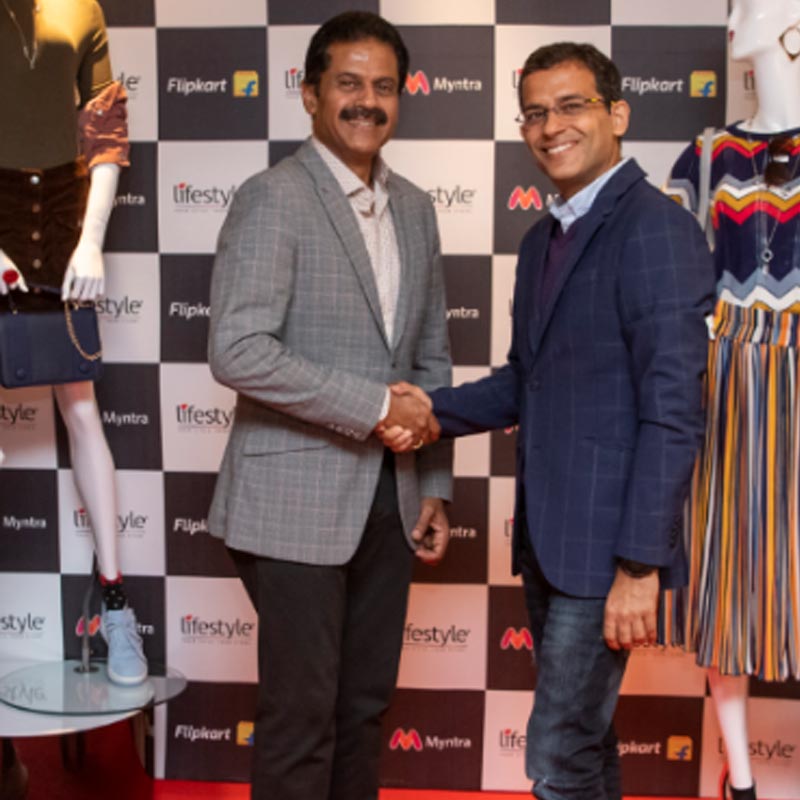
MUMBAI: Lifestyle, India’s leading fashion destination for the latest trends, today announced a strategic partnership with India’s leading eCommerce marketplace, Flipkart Group (Myntra, Jabong & Flipkart). The partnership between the leading fashion player and leading eCommerce marketplace will enable consumers to access the best in fashion, in a seamless manner across the country. This partnership will bring together the unmatched combination of the premium shopping experience of Myntra along with the reach of Flipkart Group, ensuring the right growth for Lifestyle’s wide fashion offering, from its successful portfolio of brands.
Consumers today are seeking a unified shopping experience. As leaders in their categories, both Lifestyle and Flipkart Group bring unique capabilities including relevant customer insights, Flipkart’s vast reach and Myntra’s deep understanding of the fashion business. Through this partnership, Lifestyle will take its wide selection of product ranges including its fashion private label brands across womenswear, menswear, kidswear, footwear, handbags, fashion and accessories, to newer geographies, while helping serve the over 160 million consumer base of the Flipkart Group.
Having completed 20 successful years in the industry, Lifestyle currently has a network of 78 stores in India and is growing rapidly by adding one store every 45 days, aiming to have 100 stores within the next two years. Flipkart Group’s expertise in using innovation and technology to create best-in-class customer experiences combined with an unmatched reach has helped establish it as the partner of choice for Lifestyle. The move also complements Flipkart Group’s strategy to bring a wide range of branded offering in important segments like women’s ethnic wear, kidswear and men’s formal wear. This partnership between the two players aims to provide a seamless shopping experience to customers, while exploring the strategic collaborations on loyalty programs and exciting customer engagement activations.
Speaking about the partnership, Mr. Vasanth Kumar, Managing Director – Lifestyle International Pvt. Ltd. said, “This collaboration brings together Flipkart Group’s extensive reach and Lifestyle’s high fashion offering, thereby enabling us to serve a larger number of fashion-conscious consumers, across the country. Our strong private label offering with a wide variety of styles and trends across categories of apparel, footwear and fashion accessories distinguishes us from the rest in the market. United by a common goal of providing customers with a unique & memorable shopping experience, we are confident this partnership will help to further expand our brands’ reach, catalyzing a sharper growth trajectory for these brands.”
Speaking about the strategic partnership, Rishi Vasudev, Senior Vice President and Group Head – Fashion (Flipkart, Myntra, Jabong) said, “At the Flipkart Group, we believe in collaborating with the best in the industry and this partnership with Lifestyle is a strategic move to enhance our customers’ shopping experience, by offering a seamless partnership between the country’s leading fashion retailer and India’s leading marketplace. With Myntra’s extremely engaging fashion-conscious customer and Flipkart’s pan-India reach, Lifestyle will be able to take their offerings to an even larger consumer base. Lifestyle’s wide range of brands across fashion categories which highly complement our platforms will enable growth for both players. This partnership further strengthens our position as the leading fashion destination in India and is a testament to our vision in bringing the best of fashion to millions of Indian consumers. We are very excited about this partnership”
Consumers will now be able to access the latest styles from Lifestyle on both Flipkart and Myntra.
Lifestyle’s private label brands are curated for addressing wardrobe needs of a wide consumer base, for every occasion. Melange, which is amongst the leading ethnicwear brands in the country, has been endorsed by leading celebrities in the past and currently by style icon, Taapsee Pannu. Melange offers contemporary ethnicwear and represents the style sensibilities of modern Indian women, whose fashion choices are eclectic and inspired by global trends. Ginger, a westernwear brand inspired by the young girl of today, caters to the wardrobe need for the bold, young and independent. While Forca, endorsed by Bollywood superstar Tiger Shroff, offers feature rich denim-wear at highly attractive price points.