News Headline
What can industry learn from Kushal Punjabi’s suicide?

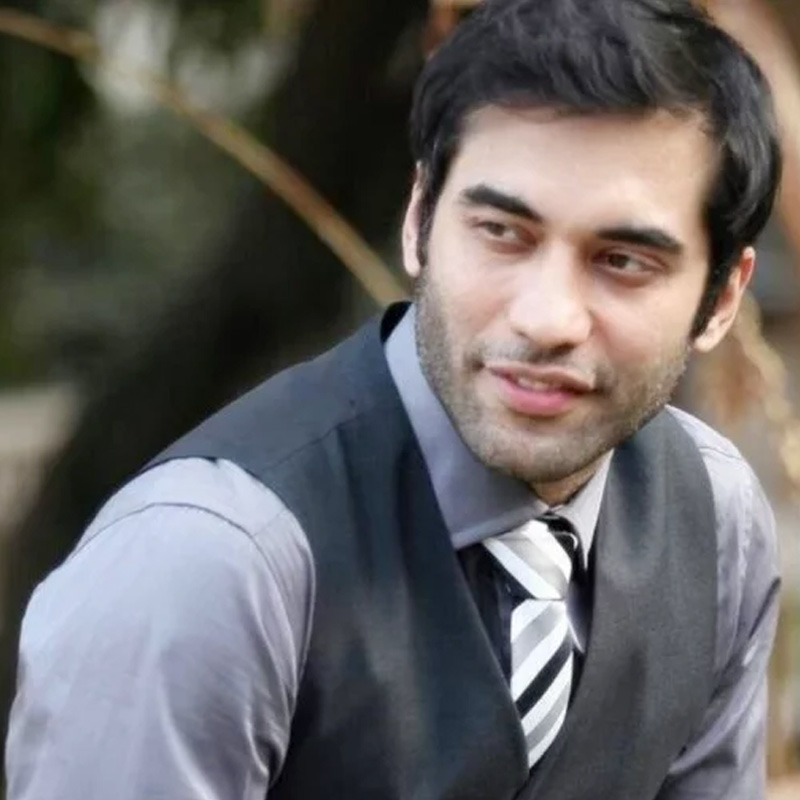
MUMBAI: When Yama comes knocking, no one can hold back his embrace. But most of us hope that it is not our door he is choosing to knock.
Actor Kushal Punjabi’s decision to open his door and rush into Yama’s arms came as a shocker to many. Including us. A relatively senior actor at 42, Kushal chose to hang himself in his Bandra west, alone, close to midnight, just a day after Christmas.
He had been a part of many of our functions, including indiantelevision.com’s The Indian Telly Awards and we had spoken and written about him on numerous occasions on Tellychakkar.com. Kushal was normally reticent, reserved, shy to an extent in public places, but he opened up amongst friends. And more so when he came on stage to dance, he set the stage alive with his sharp moves.
Kushal’s physical fitness was above par. A sports fanatic, he played football, took part in athletics and swimming in school and college and even after that when he evolved into a fine, sensitive actor who did both films and TV. His muscular, toned and sinewy physique clearly marked him out from amongst many of his peers.
A flat close to the posh Pali Hill Area in Bandra. A foreign wife and a kid all of three years, who he doted upon. It looked like he had everything going for him?
Then what triggered him to take the step of ending his life? Co-actor Chetan Hansraj says he was low a few days before his death, as his wife and he were separated and he was not keeping well. And he never imagined that he would take the extreme step. A suicide note clearly blamed no one.
But his is not the first case of actors who cut short their life on earth. Pratyusha Banerjee is the most famous case. Nafisa Joseph, Viveka Babajee, Kuljeet Randhwa are some of the more famous ones who committed suicide while being a part of the Indian TV world. There are others too who went the same way: Bengali TV actor Disha Ganguly, Payel Chakraborty, Moumita Saha, and Telugu TV anchor Nirosha are some of the names who come to mind.
Most of them were young like Punjabi, some even younger. It clearly points to the malaise in the TV and celebrity industry – that it is a lonely journey most make. Today, you are wanted, tomorrow you are not. And the pressure to perform is intense, so intense – that only the tough can see it through.
For the small towners, the glamour, the fame is exciting and hence they plunge deep into tinsel town. Getting the big break is excruciating requiring numerous visits to productions houses for auditions, and casting directors. Some audition rejections are heart wrenching. However, once they are past that and they get known, the roles trickle in for some, for others, they come in a smooth flow. For a relative few, it is stardom, beyond or just like they imagined. But once they get known, keeping up with their peers in lifestyle, in terms of performance, brings with it added pressure. Then come the friendships, relationships and the inability to cope with their demands because of the filming schedules. This puts further pressure. Some cope; some don’t and drop out. Others stick on and suffer the highs and the lows. And a select few go the way of ending their lifes when they can’t cope.
Industry needs to understand this. Broadcasters, producers and the actor associations. The Cine & TV Artistes Association does have resources in house to help members cope with their psychological needs. But is it enough? What more can be done? Can regular workshops to help actors address their emotional traumas be organised? And these workshops should be in good venues so that even the better off actors can attend and take part in them.
Can the financial corpus they have to assist actors in dire need be enlarged? Can donations be attracted to from production houses and the broadcasters and from corporate India? Can peer groups addressed periodically by psychologists be set up within each TV show set to understand each actor’s pressures and help them address these?
The warning bells are ringing. Too many in TV industry have died young. Will we wait for more?