MAM
How Bikano successfully shed its traditional mien for a modern positioning

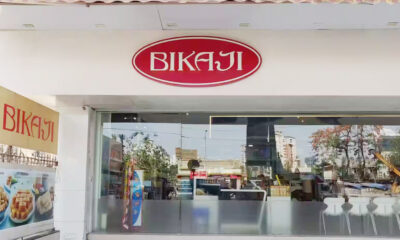
NEW DELHI: Uprooting themselves from the comfort and security of home sweet home in Bikaner to the narrow, bustling galis of Delhi 6, the forerunners of Bikanervala believed in taking measured risks and ensuring that they paid off. It’s probably the reason why they were able to make their street-side stall in Chandni Chowk into a Rs 1,000-crore enterprise with outlets dotting nearly every metro and town in the northern half of the country, and a diverse range of packaged snacks – Bikano – flying off the shelves in grocery stores and supermarkets.
It didn’t take long for the brand to make the leap from national to international presence, and the Indian diaspora in Canada, US, Singapore, Australia, New Zealand, and the Gulf countries welcomed Bikano – the taste of home in a bag – into their lives. Over the course of 70 years, the brand has stood the test of time and taste, and to underscore this fact, it came up with the Barson se Bikano campaign, which invokes nostalgia and goodwill enjoyed by the sweet and savoury manufacturer.
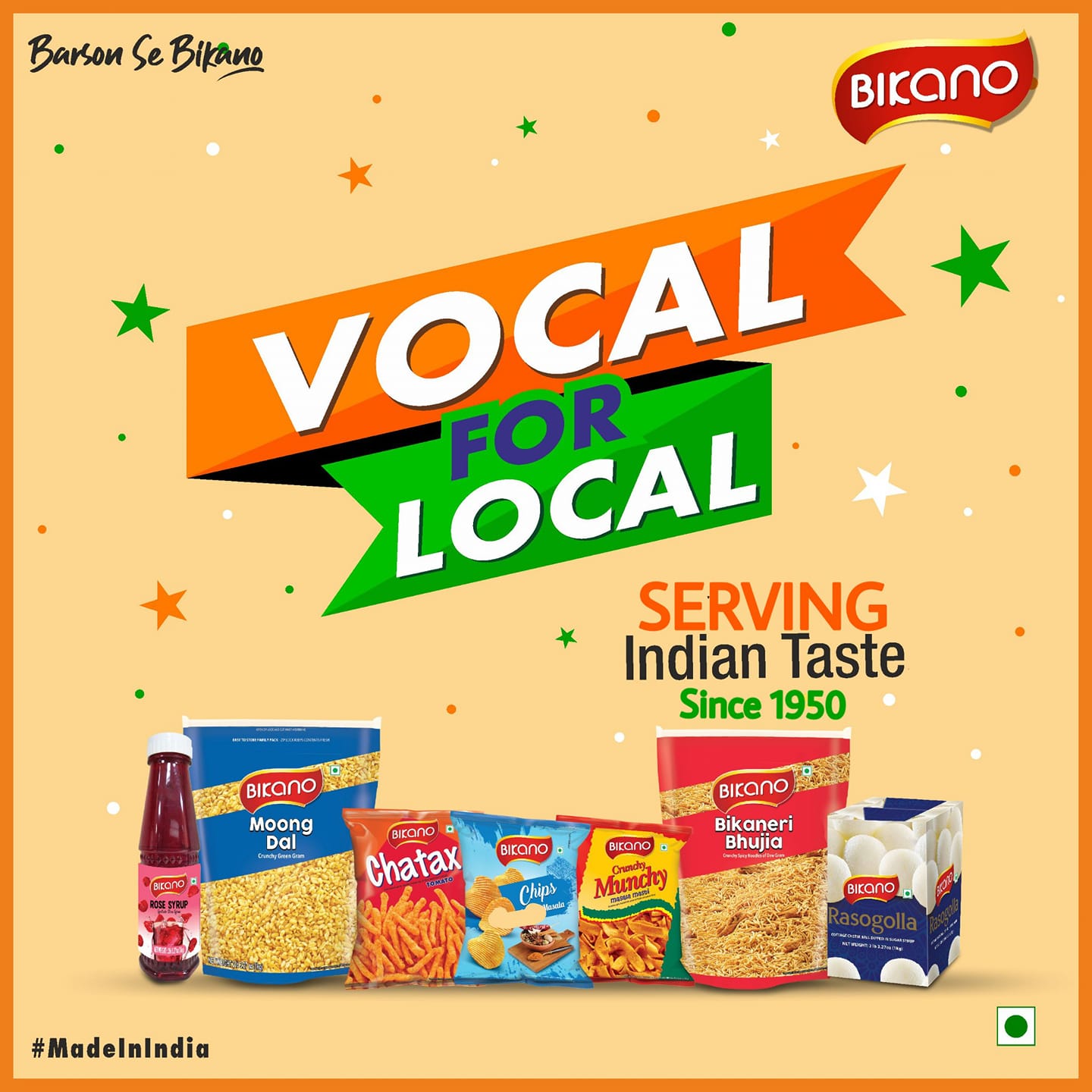
“Bikano is one of the major brands in the F&B category, specifically in the traditional snacks or namkeen category. Our main competitor is Haldiram’s and what we are doing in terms of volume, no one else comes close. With Barson se Bikano campaign we wanted to put across the message that there’s a legacy behind the brand, it comes from a strong position which delivers quality and authentic taste. It gives us that edge over the competition,” stated Dawinder Pal, head of marketing at Bikanervala Foods Pvt Ltd.
It was Pal who conceptualised and deployed the Barson se Bikano campaign to great effect. He is confident that going forwards, the brand will remain a force to be contended with when it comes to marketing in the F&B space.
“Given the current scenario and the way the consumer is changing, their behaviour is changing, innovation and differentiation will be a key factor for us. It’s going to be in terms of products and taste. First, we are working a lot on distribution and the second driver for us is availability and visibility. So we are focusing on evolving our network across the country,” he said.
In the west, the namkeen maker is focusing on Gujarat and Maharashtra because these markets contribute 27 per cent to the total category, as per Singh. Apart from this, it is setting up a facility in Hyderabad from where it will cater to the south markets and Maharashtra.
Acknowledging that there are big players who have a firm hold on the palates of the southern states, Singh said, “Bikano is presently not looking to move in aggressively in Tamil Nadu and Karnataka. But we are going to start with Andhra Pradesh and Telangana.”
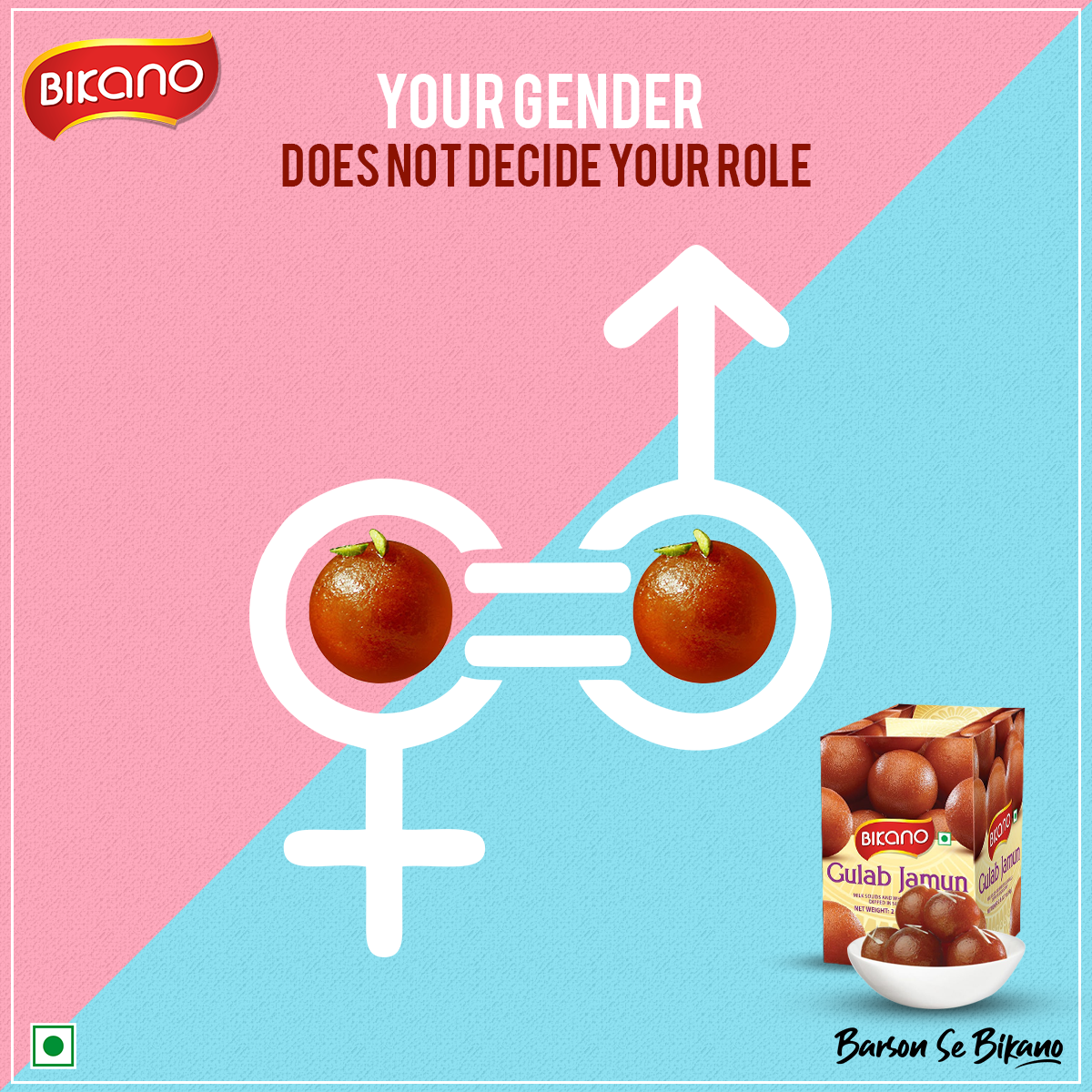
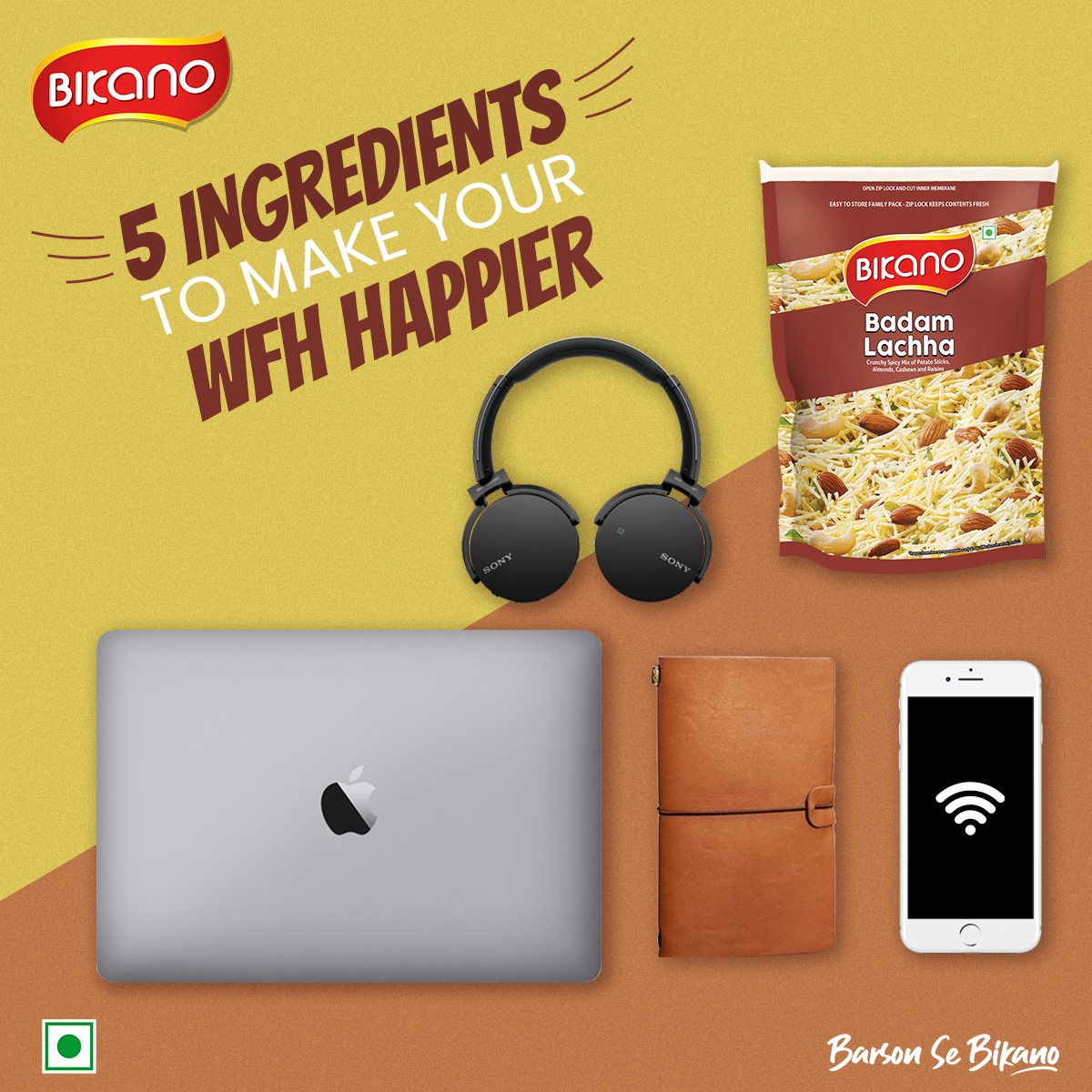
Not only is the brand expanding in the traditional ways, it’s also gaining traction on social media with upbeat and topical creatives. From Covid2019 precautions, to work from home readiness, the IPL opener or the new season of KBC, Bikano’s social media handles are shooting from the hip when it comes to timely and on-point marketing vignettes.
“We have a digital agency – Bytebox – on board with us for our digital media marketing. We have initiated a lot of BTL activations, and in the near future, we’ll go into ATL channels also. For a brand like us, retail visibility is very handy because impulse buying takes place at the retail counter itself. We’re also targeting consumers in their homes, especially those who are family-driven. For them social presence is also important,” he elaborated.
While the Covid2019 pandemic threw businesses across the board into turmoil, Bikano was one of the few brands which managed to weather the crisis and emerge relatively unscathed, related Singh. In fact, in his own words, the namkeen manufacturer has done “decently well.”
“There have been certain challenges in terms of procurement – of raw material, packaging material, etc. The team managed to overcome the hiccups. Otherwise the market has been fair enough to cater to consumers. In the last two quarters, we have registered double digit growth. During and even after lockdown, there’s been no negative or lasting impact of Covid.”
There has also been a marked shift in consumer behaviour from the pre-Covid to the post-Covid phase. “Earlier, buyers preferred fresh products and felt the packaged ones weren’t as fresh. But come the pandemic, and products like packaged sweets and gol-gappa sets started taking off. People are more hygiene-conscious now, they want the things they consume to be safe,” he said.
In order to cater to a new generation of consumers, the brand has introduced a range of diet namkeen mixtures – for those who don’t wish to skimp on taste for the sake of health. And for those with a sweet tooth, there is the option of Bikano multigrain cookies, and other tinned confections.
“We’re trying to deliver taste with health. With the millennial population in mind, we’re also targeting taste with convenience in the form of ready-to-eat products,” said Singh. These ready-to-eat meals – such as dal makhni, matar paneer, jeera rice – can already be purchased in markets, both offline and online.
Bikano’s extensive catalogue of products is available on leading e-commerce sites, something which contributed immensely to the brand’s sales during the lockdown period. In the sale of gift packs alone, the company in the last three-four months has registered 10X growth as compared to last year.
Going from strength to strength, the brand has now set sights on the festive season. As is its custom, Bikano introduced a fresh range of products and gift packs in time for Diwali, the festival which is the biggest money-maker for the traditional snacks category. In a market that is chock-a-block with delectable festive offerings, Bikano stands apart with its bright packaging in jewel-toned hues; even from a distance, the consumer is able to identify Bikano goodies, and makes a beeline for them. Is the choice of colour and packaging a conscious decision by the brand, we wonder. 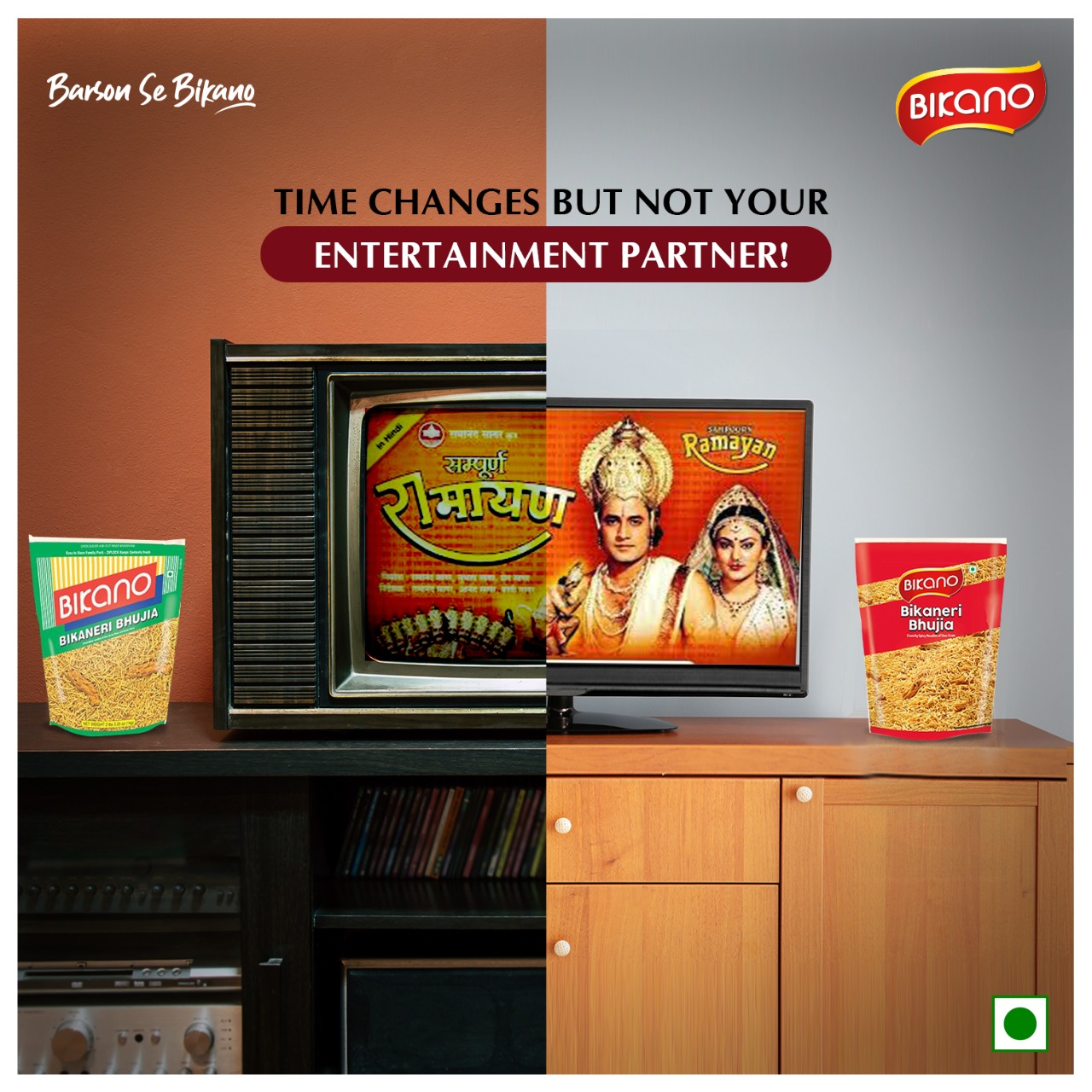
“We want to have that vibrancy in the entire product range. When the products get packed into the retail shelves, it sets you apart and gives you that edge over other brands. When it’s time to pick the packaging, we prefer strong, vibrant colours and yes, it’s a conscious decision,” explained Singh.
Another reason why customers stick with Bikano is the brand’s adherence to quality. Be it namkeen or sweets, there is strict quality control by in-house as well as external agencies to ensure hygiene and consistency of taste. The company takes feedback on product and marketing, studies it, compares its offerings against competitors’, and keeps improving, asserted Singh.
“With too many options available with the consumer in every category, the consumer is becoming more-fickle minded and shifting preferences more often. Marketing and innovation is key, yes, but what keeps the brand going is the patrons’ trust, and we are grateful that they have been with us consistently in that regard,” he signed off.