Brands
Apsara launches new brand identity and packaging design
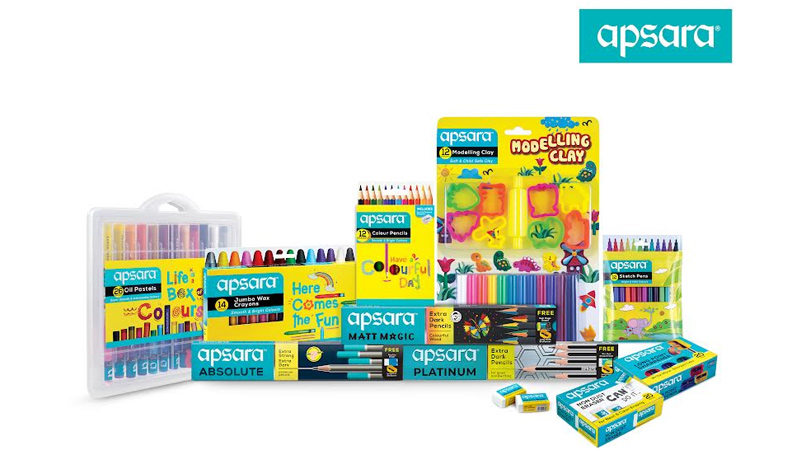
Mumbai: Apsara, the flagship brand of Hindustan Pencils, has launched its new brand identity and packaging design. This transformation aims to redefine Apsara’s market presence with a fresh look that reflects the brand’s commitment to quality and innovation.
Since its inception in the 1960s, Apsara has become a well-known name in stationery, elevating the simple pencil into a symbol of excellence. Through campaigns like “Extra Marks for Good Handwriting,” Apsara has set standards for students and professionals alike. Today, Apsara continues to innovate, demonstrating the impact of a well-designed product.
Apsara has consistently updated its logo and packaging to maintain relevance. The latest rebranding modernises the typeface while preserving its recognition. This update introduces a unified visual identity across all product lines, including art materials, gifts, and stationery, bringing consistency to the brand’s overall presentation.
In this revamp, a turquoise shade has been selected as the primary brand color, unifying Apsara’s diverse product range under a single identity. For the pencil and related categories, where Apsara has a strong legacy, subtle adjustments were made to preserve familiar visual elements and the existing color palette. The art materials and gifting segments now feature a bold yellow color scheme, improving shelf visibility and making it easier for customers and retailers to recognise the products.
“Our new packaging is a testament to our dedication to delight consumers with designs that are as exceptional as our products,” stated Hindustan Pencils president Pradip Ughade. “This revamp not only enhances the customer experience but also strengthens Apsara’s market presence across a broader spectrum of products.”
The agency behind the revamp – Almond Branding founder Shashwat Das added, “This transformation solidifies Apsara’s leadership in the market. The refreshed identity resonates with both our loyal customers and new audiences, reinforcing Apsara’s influence in the stationery and art materials markets.”
Apsara continues to set industry benchmarks with its innovative approach and unwavering commitment to quality. The refreshed branding embodies the company’s vision of evolving with market trends while upholding the core values that have defined Apsara for generations.

Brands
33 per cent of women believe the salary scale is rigged: Naukri report
Voices @ Work study finds rising calls for equal pay audits and lingering bias
MUMBAI: Progress may be visible in India’s workplaces, but many women still feel the need to tread carefully. A new report by Naukri reveals that one in two women hesitate to disclose marriage or maternity plans during job interviews, worried that such information could influence hiring decisions.
The findings come from the second edition of Naukri’s annual Voices @ Work International Women’s Day report, titled “What Women Professionals Want.” Drawing insights from more than 50,000 women across over 50 industries, the survey sheds light on evolving workplace aspirations alongside the biases that continue to hold women back.
One of the report’s most striking insights is the growing demand for equal pay audits. The share of women calling for regular pay parity checks has climbed to 27 per cent this year, up from 19 per cent a year ago. The demand now stands alongside menstrual leave as the most sought after workplace policy.
Interestingly, the call for pay transparency grows louder higher up the income ladder. Nearly half of women earning between Rs 50 lakh and Rs 1 crore annually say equal pay audits are a priority, suggesting that pay gaps become more visible as women move up the career ladder.
At the same time, confidence and ambition appear to be rising. About 83 per cent of women say they feel encouraged to pursue leadership roles, a significant jump from 66 per cent last year. Cities in southern India appear particularly supportive, with Hyderabad leading the way as 86 per cent of respondents there reported encouragement to step into leadership positions. The education sector recorded the highest sense of encouragement at 87 per cent.
Yet the report also highlights a growing trust deficit around pay equity. Nearly one in three women, or 33 per cent, say they do not believe men and women are paid equally at their workplace. That figure has risen from 25 per cent last year, pointing to widening perceptions of disparity as careers progress.
Bias in hiring and promotions continues to be the biggest hurdle. About 42 per cent of respondents say workplace bias is the main challenge for women from diverse backgrounds. The concern is consistent across major metros, with Chennai and Delhi NCR reporting similar levels.
Reluctance to discuss personal milestones during hiring processes is also widespread. While 34 per cent overall said they hesitate to share marriage or maternity plans in interviews, the anxiety increases with experience. Among professionals with 10 to 15 years of work experience, the figure rises to 40 per cent.
Info Edge group CMO Sumeet Singh, said the data reflects both progress and unfinished work. “Behind every data point in this report is a woman who is ambitious. The fact that 83 per cent feel encouraged to lead is something to celebrate. However, the fact that one in two still hide their marriage or maternity plans in interviews tells us the work is far from done. As India’s leading career platform, it felt not just important but necessary for us to shine a light on these gaps through the second edition of our report,” he said.
The report suggests that while ambition among women professionals is growing, structural changes around pay transparency, fair hiring and supportive policies will be key if workplaces hope to keep pace.