Digital
Vdo.ai round table helps make sense of the Gen Z ad code

MUMBAI; In a world where Gen Z tunes out the moment an ad feels off, Vdo.ai is on a mission to turn advertising from an interruption into an interaction. The video ad tech powerhouse just hosted a high-stakes roundtable, pulling together marketing’s sharpest minds to crack the Gen Z conundrum—how to sell to a generation allergic to brand loyalty, sceptical about data tracking, and always on the lookout for the next big trend.
Vdo.ai co-founder & CTO Arjit Sachdeva set the tone. “Advertising is evolving fast, and Gen Z is calling the shots. If your ads aren’t immersive, interactive, and tailored to them, they won’t just scroll past—you won’t exist.”
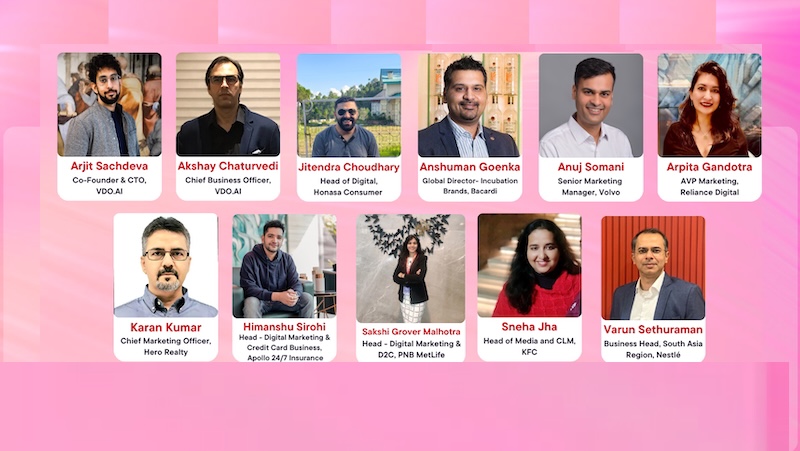
The event drew heavy hitters from brands that shape how we eat, drive, and shop: Arpita Gandotra (avp marketing, Reliance Digital Retail), Varun Sethuraman (business head, Nestlé), Anshuman Goenka (global director – incubation brands, Bacardi), Sneha Jha (head of media and CLM, KFC), Sakshi Malhotra (head – digital marketing & d2c, PNB MetLife), Anuj Somani (senior marketing manager, Volvo Cars), Karan Kumar (cmo, Hero Realty), Jitendra Choudhary (head of digital, Honasa Consumer Ltd – Mamaearth), and Himanshu Sirohi (head of digital marketing & credit card business, Apollo 24×7).
Some of the nuggets that emerged from the roundtable included:
The numbers don’t lie:
* 60 per cent of Gen Z disengage from ads they find irrelevant or overly personal.
* Just 9.6 per cent feel any real brand loyalty—they care more about price and trends.
* 43 per cent are wary of being tracked online.
* A mere five per cent say product quality or cost matters more than a killer brand experience.
What’s hot, what’s not:
* Repeating an ad doesn’t build reputation anymore—it just builds resentment. Brands need sharp, engaging storytelling.
* AI-driven content is rewriting the rulebook on audience targeting.
* Digital-first touchpoints aren’t a nice-to-have, they’re the whole game.
Vdo.ai chief business officer Akshay Chaturvedi pointed to the $1.8bn consumption potential Gen Z will bring to the table by 2035. “If brands want in, they need AI-powered, hyperlocal and immersive experiences—because attention is the new currency, and Gen Z isn’t handing it out for free.”
As the conversation wrapped up, one thing was clear: the advertising playbook is being rewritten in real time. And keeping pace with that is crucial if one wants in with the GenZ audience.