Brands
Fanta fizzles with flavour: Coca-Cola India’s orange star rules the carbonated sof drinks scene
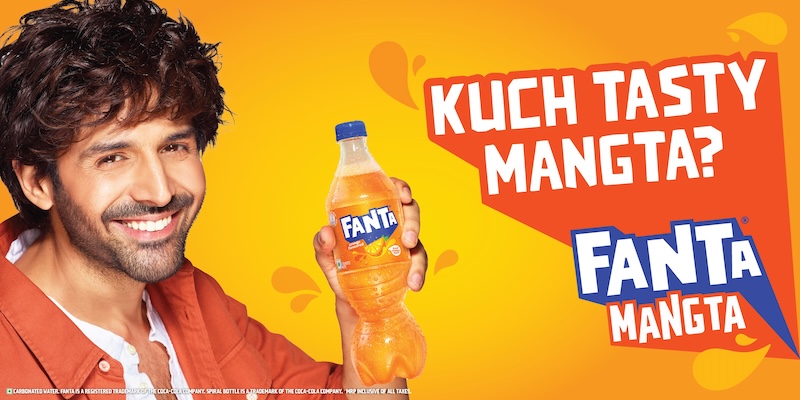
MUMBAI: Fanta, Coca-Cola India’s iconic orange-flavoured fizz, has taken a big, bubbly lead in the carbonated soft drink (CSD) category, commanding over 50 per cent of the market. The brand’s playful spirit and tangy taste have made it a go-to thirst-quencher for young Indians, seamlessly mixing nostalgia with a digital twist.
First sipped in 1940, Fanta has evolved into a cultural phenomenon across 180 markets worldwide, but it’s India where the brand has really popped. From Rs 10 for a 200ml pack to 2.25L family-sized bottles, Fanta is everywhere—across two million retail outlets nationwide.
Coca-Cola India developing markets and southwest Asia vice-president, franchise operations Vinay Nair said: “Fanta’s success is a testament to our flavour-first strategy, portfolio agility, and ability to stay culturally relevant. We’ve tapped into the youth’s digital DNA with campaigns like Fanta Mangta, turning a simple phrase into a fun cultural cue.”
The latest Fanta Mangta campaign, featuring youth icon Kartik Aaryan, has hit all the right notes. With high view-through rates, creator collaborations, and meme-worthy moments, it’s made Fanta a digital darling.
Whether it’s adding a burst of joy to Holi celebrations or being the perfect sidekick for everyday cravings, Fanta has become more than a drink—it’s a pop of happiness. As India’s young and restless sip on Fanta, Coca-Cola India’s zesty star shows no signs of losing its sparkle.

Brands
Zomato film highlights bias faced by women delivery partners
International Women’s Day campaign shines light on everyday stereotypes
MUMBAI: A food delivery may arrive in minutes, but the journey behind it can still carry a few outdated assumptions. This International Women’s Day, Zomato has released a new brand film that shines a light on the subtle but familiar biases faced by women delivery partners during their daily shifts. The campaign nudges viewers to rethink a simple idea that still surprises many people: a delivery partner’s ability has nothing to do with gender.
Instead of focusing on training for delivery partners, the film flips the perspective and gently turns the mirror towards society. Through a series of everyday moments, from collecting orders at restaurants to arriving at a customer’s doorstep, women delivery partners encounter reactions that many recognise all too well. Curious glances, surprised expressions and questions that hint at disbelief follow them along the route.
In a playful cinematic twist, the delivery partners break the fourth wall to address these reactions directly, offering light-hearted responses that quietly challenge the stereotypes.
The campaign also reflects a broader shift in India’s gig economy. As of February 2026, Zomato has more than 3,500 monthly active women delivery partners who collectively deliver over five lakh orders every month.
Eternal chief sustainability officer anjalli ravi kumar said building an inclusive platform economy requires both opportunity and acceptance. She said that as more women step into roles across urban last-mile logistics, the ecosystem around them must evolve to ensure they can work with confidence and dignity.
She added that enabling women to participate safely and comfortably in such roles is essential if India is to move closer to the goal of 70 per cent female workforce participation by 2047 under the broader vision of Viksit Bharat 2047.
Alongside the campaign, Zomato has been strengthening safety measures for women delivery partners. The company offers a 24 by 7 SOS emergency support system available in more than 800 cities, connecting partners to ambulance services, police and an internal response team when needed.
Women delivery partners also have the option to avoid certain delivery locations between 7 pm and 5 am if they feel unsafe. In addition, city-specific WhatsApp support groups in the top seven cities help women partners communicate easily, raise concerns and seek peer support.
For deliveries to hotels, lodges or guest houses, women partners can complete the order at the reception instead of going up to individual rooms. The delivery partner app also allows them to flag difficult or unsafe areas as black zones. More than 300 such zones have already been identified and temporarily marked unserviceable.
Through the film and these initiatives, Zomato hopes to spark a broader conversation about inclusion in the gig economy, one delivery at a time.